
Last updated November 22, 2026
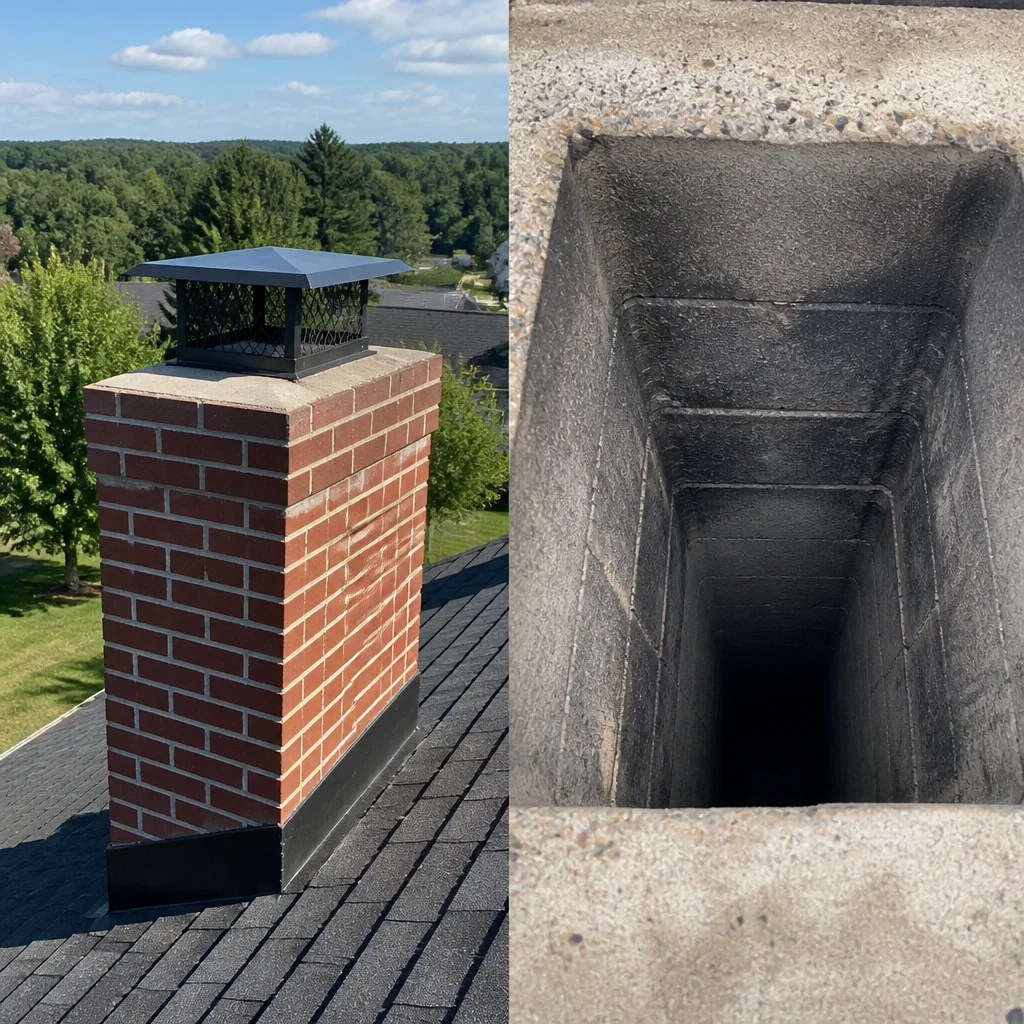 Sweep & inspection
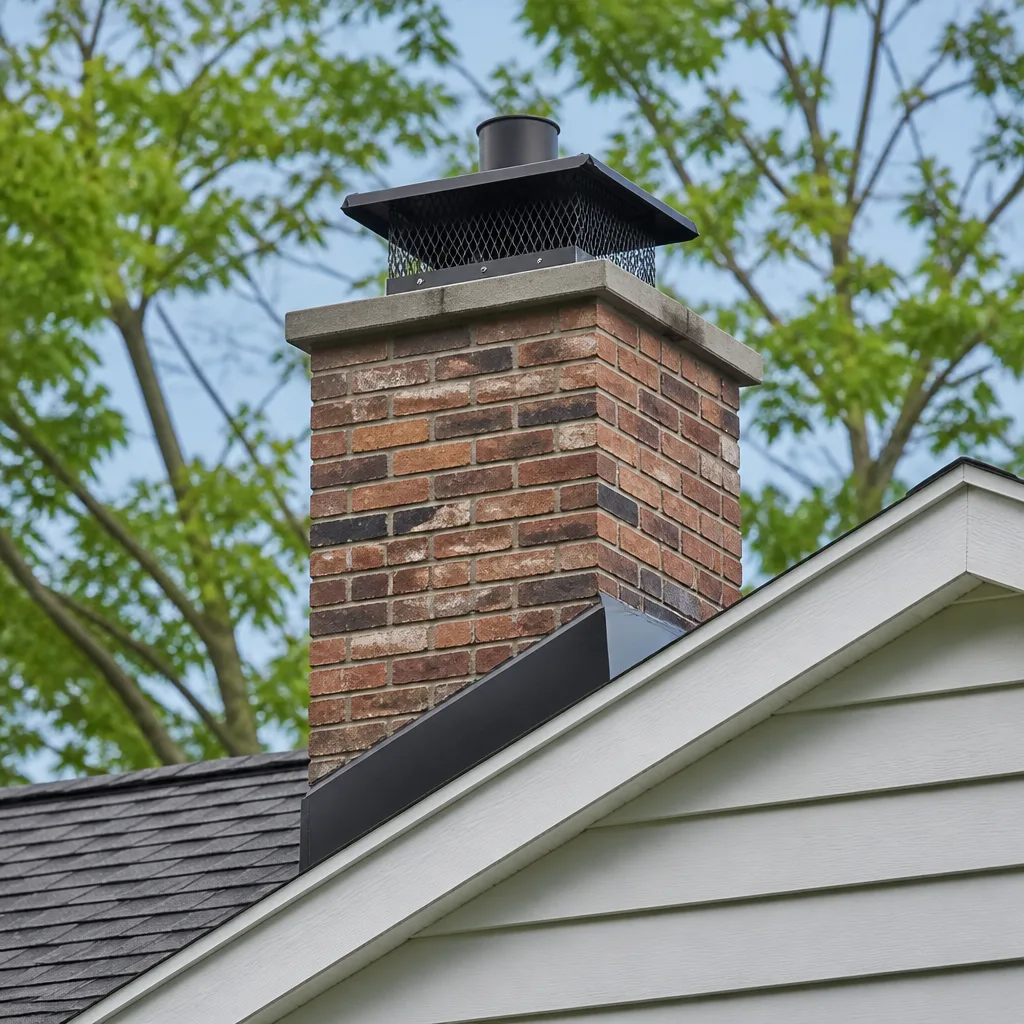 Caps & crowns
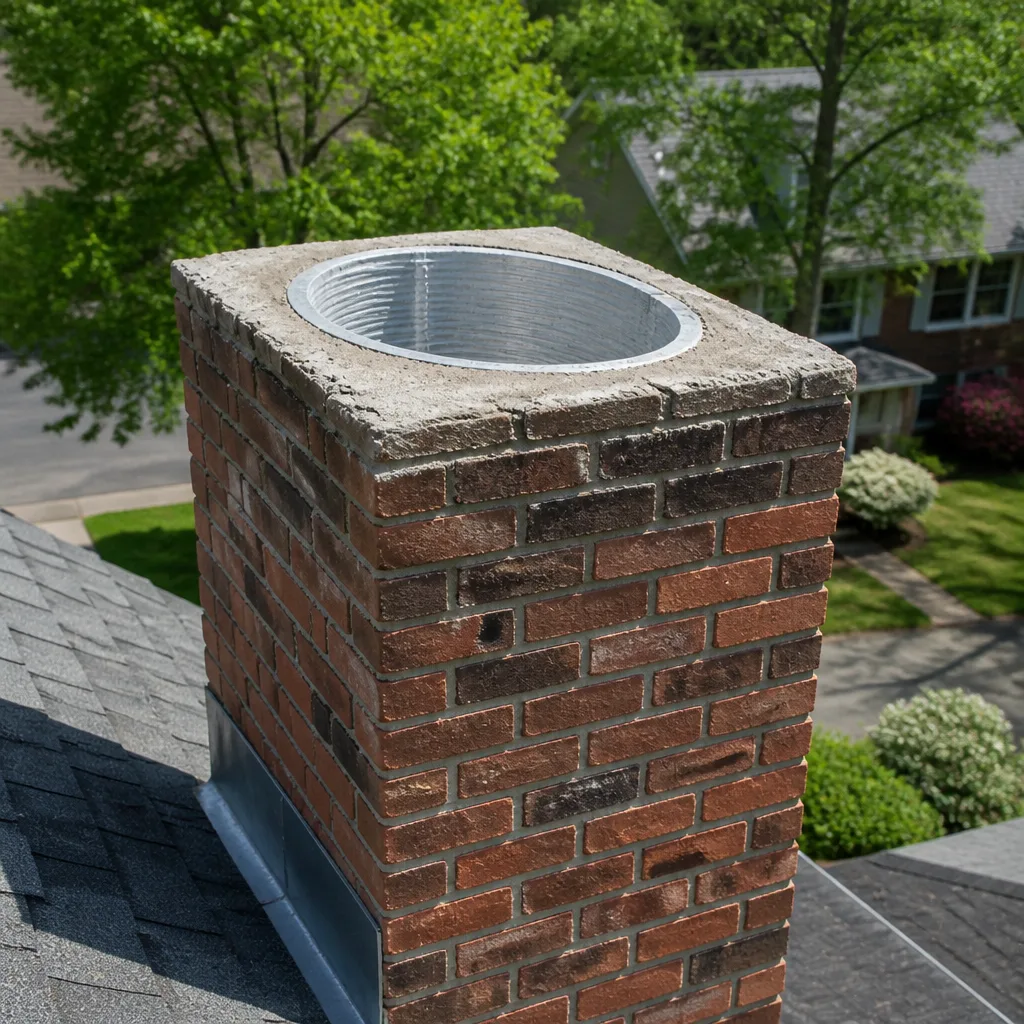 Flue relining
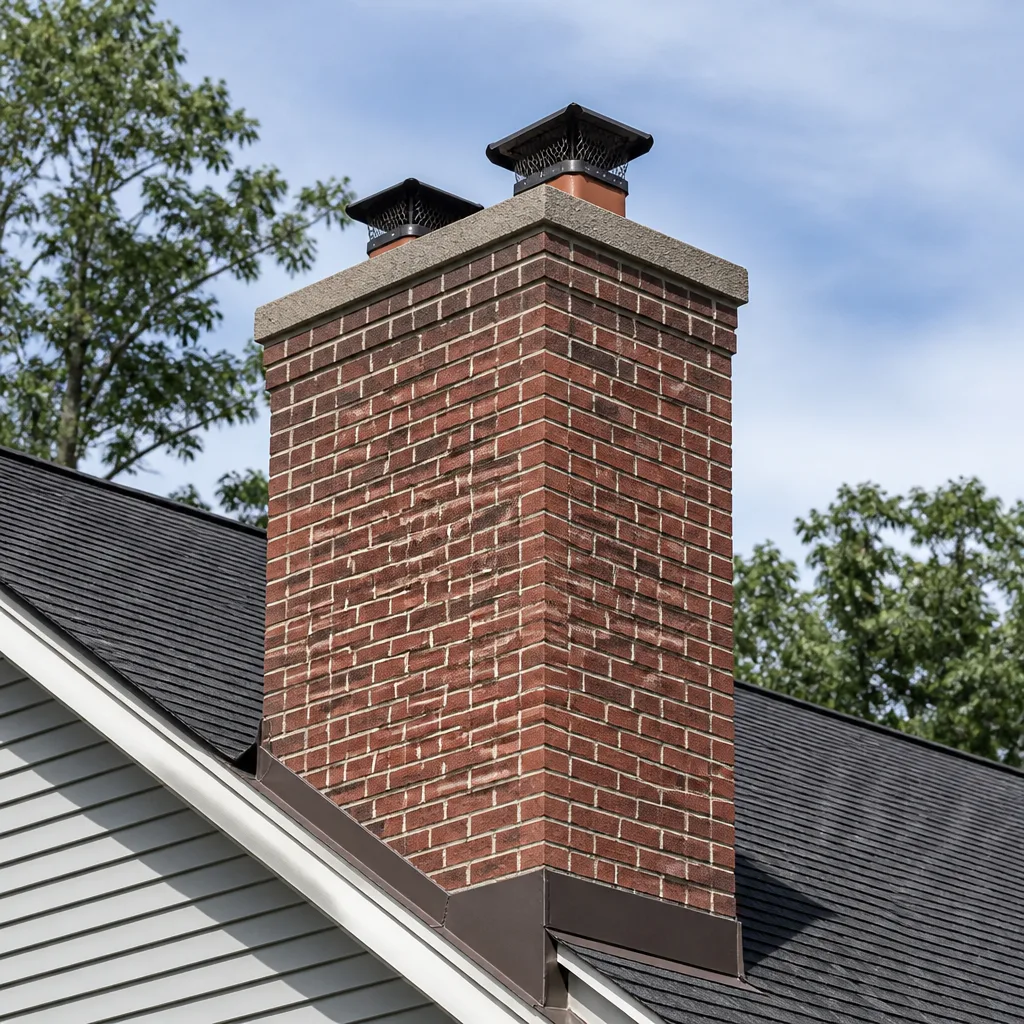 Masonry repair
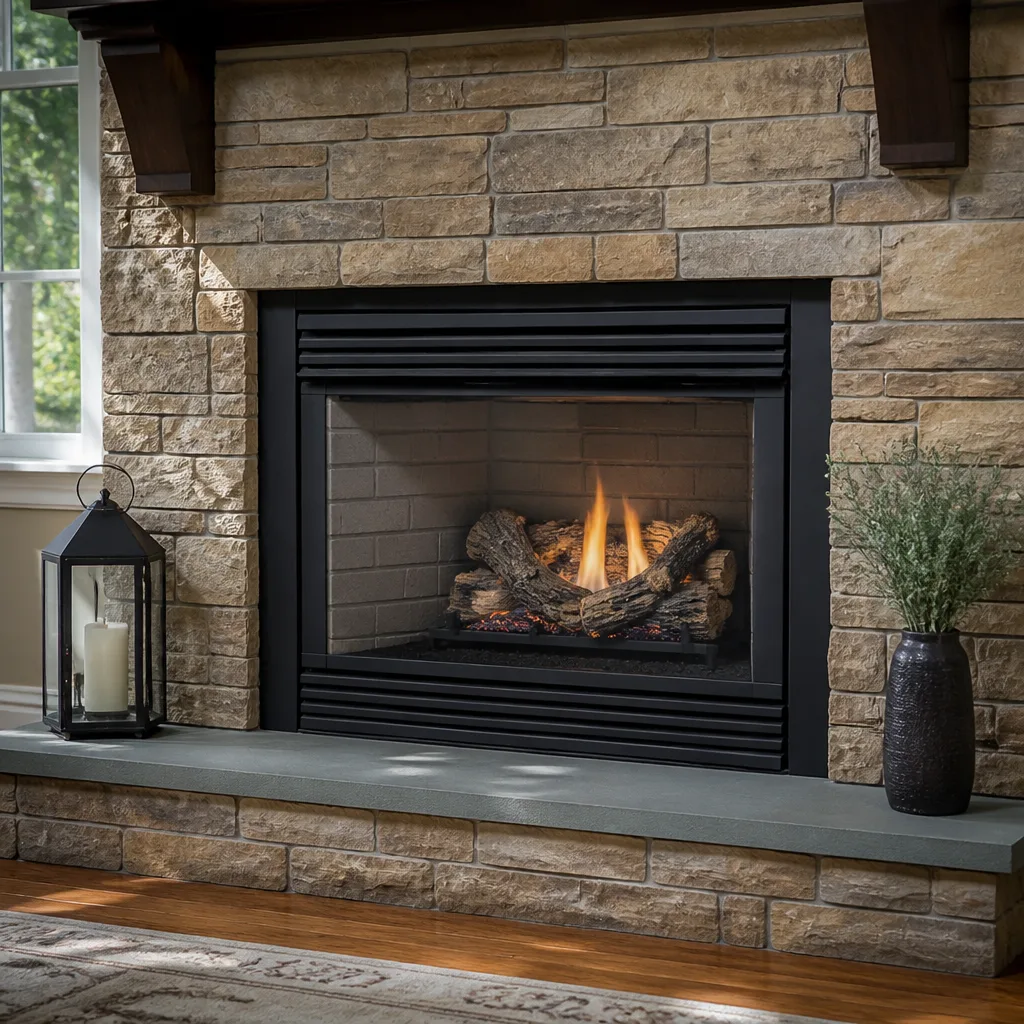 Gas fireplace service
Level 1 sweep and inspection to the NFPA 211 annual standard - flue, crown, cap, and flashing checked and photographed
Chimney sweep logs do not sweep chimneys. They loosen some creosote - which then falls where a brush and vacuum still have to collect it.
Chimney Cleaning Emergency Preparedness Guide for SouthPark Homes
Most people picture a chimney fire as a roaring sound with flames at the top of the house. In our experience, that’s the minority. Plenty of chimney fires burn quietly inside the flue, sometimes for hours, while the fireplace keeps getting used below. The homeowner smells something odd, maybe hears a low rumble, and assumes it’s the furnace or the wind. That gap between what a chimney fire actually looks like and what people expect is where houses get damaged. This guide gives SouthPark homeowners the specific actions that matter: the signs of an active fire, what to close and what never to open, how to tell a call to 911 from a flue that’s holding, and why a chimney that “survived” still can’t be lit again until it’s been properly inspected.
Quick Answer
A chimney fire emergency is handled in three moves: get everyone out and call 911 if you see flames, heavy smoke, or a shaking flue; close the fireplace doors and the damper to starve the fire of air; and do not use that fireplace again until a Level 2 inspection confirms the flue is intact. Preparedness matters more than reaction because the signs are quieter than most homeowners expect, and the decisions in the first ten minutes decide whether a contained flue fire stays contained.
Styles & brands we work with
- Sweep & inspection
- Caps & crowns
- Flue relining
- Masonry repair
- Gas fireplace service
Table of Contents
- How Do You Recognize an Active Chimney Fire?
- What to Do First, Second, and Third
- When to Call 911 vs. When the Flue Holds
- Why a Chimney That Survived a Fire Can’t Be Used Again
- What a Level 2 Inspection Actually Checks
- Documenting Your Chimney Before an Emergency
- What to Tell Charlotte Fire Department Responders
- Pre-Season Preparedness Checklist for SouthPark Homes
How Do You Recognize an Active Chimney Fire?
A chimney fire is recognizable by sound, smell, and what comes out of the chimney before flames are ever visible. The classic sounds are a low roaring like a distant freight train, a clicking or tapping, and a vibration you can feel through the chimney breast in the room. You may hear crackling that’s louder and more rhythmic than a normal fire settling. Smell matters just as much: a sharp, hot, almost metallic odor in the room or outside near the chimney is a warning sign, and so is the smell of burning creosote, which is harsher and less wood-like than a normal fire.
Visible indicators are the ones people miss because they look in the wrong place. Watch the top of the chimney from outside, not the firebox. Puffing smoke that comes in bursts, sparks or embers thrown from the flue, a dark discoloration creeping down the exterior brick, or the flue cap glowing or warping are all signs of an active fire. Inside, the firebox doors may feel unusually hot, or the metal flue pipe on a prefabricated system may shimmer or discolor. A warped or buckled damper is a symptom of a fire that got hotter than the flue was built for.
SouthPark homes add a wrinkle. A lot of the housing here is older masonry construction, and many homes have had a wood-burning insert added to a fireplace that was originally open-front. Inserts run hotter and push more heat into the flue than an open fire, which raises the creosote load in a hurry. In our experience, an insert in a SouthPark home that hasn’t been swept in a couple of seasons is the setup most likely to produce a silent fire.
What to Do First, Second, and Third
The order of actions matters. Approaching a hot stove or opening a firebox door is the most common way a small problem becomes a dangerous one. Follow this sequence exactly.
- Get people out and away from the fireplace. Move everyone, including pets, to the opposite side of the house or outside if you smell smoke in the living space. Do not stop to gather belongings.
- Close the fireplace doors and the glass front. Cutting the air supply to the firebox is the single most useful thing a homeowner can do. On an open fireplace with no doors, close the damper instead.
- Close the damper. Starving the flue of oxygen slows the fire. Do this only if you can reach the damper handle without standing directly in front of the firebox.
- Call 911 if you see flames at the top of the chimney, heavy smoke inside the house, or feel the flue shaking. A fire that’s reached the chimney top or pushed smoke indoors is no longer a flue problem.
- Get a garden hose or extinguisher ready outside only. Never spray water down a hot flue from the top. Thermal shock to masonry or a metal liner can crack it, and water hitting a live fire inside a confined flue can push steam and smoke back into the house.
- Stay outside and watch the chimney until responders arrive. A second flare-up is common when the flue gets a fresh draft.
The two things people get wrong most often: opening the firebox door to “see what’s going on,” and throwing water on the fire inside the fireplace. Both feed air or shock the masonry, and both make the situation worse. The instinct to open the door is understandable, but it’s the opposite of what a contained flue fire needs.
When to Call 911 vs. When the Flue Holds
Call 911 when the fire has visibly escaped the flue, when smoke is filling the room, when the chimney is throwing sparks or embers, when the metal flue pipe is glowing, or when anyone in the house is coughing, dizzy, or nauseous. CO poisoning is a real possibility in a chimney fire, and the symptoms can come on before flames are visible anywhere in the house.
A flue can hold a small fire if the fire stays below the top of the chimney, if smoke stays within the flue, and if the structure around the chimney isn’t hot to the touch. But “the flue is holding” is not a judgment a homeowner can make reliably. The honest answer is: if you’re unsure, call. Fire departments in this part of Charlotte don’t penalize a call that turns out to be a contained flue fire; they’d rather arrive to a controlled situation than a structural one.
One practical point SouthPark homeowners should know. When you call 911, give the dispatcher the address, tell them you have a chimney fire, and say plainly whether flames are visible at the top of the chimney and whether anyone is inside. Do not speculate about the cause. Do not stay on the line to describe the fire in detail. The more specific you can be about what’s visible, the faster the right apparatus gets rolling.
Why a Chimney That Survived a Fire Can’t Be Used Again
A chimney that “survived” a fire cannot be used again until a Level 2 inspection is completed and the flue has been confirmed sound. Chimney fires damage flues in ways homeowners can’t see from the firebox. Clay tile liners crack under thermal shock. Metal liners warp, buckle, and pull apart at the seams. Parging inside a masonry flue breaks loose. Any of those failures opens a path for creosote and carbon monoxide into the framing of the house on the next fire. That’s why “it looks fine” is not a green light.
The CSIA and the National Fire Protection Association both call for a Level 2 inspection after any chimney fire, any change in fuel type, or any change to the appliance. A standard annual sweep is a Level 1 inspection, which checks what can be seen from the firebox and the top of the chimney. A Level 2 inspection adds a video scan of the full flue interior, and that’s the inspection that finds a cracked tile ten feet down that you’d never see otherwise.
SouthPark has a higher share than most neighborhoods of older homes where the original clay tile flue is still in place. Those flues are the ones most likely to crack in a chimney fire. If your home was built before the 1990s and still has the original liner, a post-fire Level 2 inspection is the only honest way to know whether the flue is safe to relight.
What a Level 2 Inspection Actually Checks
A Level 2 inspection checks five things: the flue interior and all its joints, the crown and the cap, the firebox and damper, the appliance connection, and the clearances between the chimney and any combustible material. It’s done with a video camera that runs the full length of the flue, and it’s the inspection that produces the photo evidence you’d use for an insurance claim.
Here’s what the camera looks for:
- Flue joints and tile seams: Cracks, gaps, and missing mortar between the clay tiles. A gap of even a fraction of an inch lets smoke and CO into the house framing.
- Liner integrity on metal systems: Warping, seam separation, and corrosion, especially at the top and at the appliance connection where the heat is worst.
- Crown condition: Cracks and separation at the crown, which is the concrete top of the chimney. A cracked crown lets water in, and water plus freeze-thaw in this climate is hard on masonry.
- Cap and mesh: A damaged cap lets rain, birds, and squirrels into the flue. We install and service caps from Famco and Gelco, both of which are built for the load.
- Clearances and firebox: The gap between the chimney structure and framing, and the condition of the firebox and damper after heat exposure.
Where the inspection turns up a failed flue but the structure is otherwise sound, HeatShield liner restoration is often the answer. It’s a specialized system that rebuilds the interior flue surface, and it’s one of the reasons full-service work matters here. A general handyman can’t do it, and a lot of chimney companies can’t either. If a full reline is the right call, we use DuraFlex flexible liner systems, which are the industry standard for relining an aging flue.
Documenting Your Chimney Before an Emergency
Documenting your chimney before an emergency is the part that saves the most trouble later and the part almost nobody does. An insurance claim after a chimney fire is easier when you can show the insurer what was there beforehand, what had been serviced, and who did the work. Reconstructing that after the fact is slow and, frankly, unreliable.
Put together a small file now, whether it lives in a folder or your phone:
- A photo of the chimney from the roof level, from the ground, and from inside the firebox. Date them.
- Every sweep, inspection, and repair receipt, going back as far as you have them.
- The installer’s paperwork for the fireplace, insert, or stove, including the model and the rated flue type.
- The most recent Level 2 inspection report, if you’ve had one, with the video scan or photo record attached.
- Your homeowner’s policy number and the insurer’s claims line, written on a card in the same folder.
Keeping this current is one reason we ask homeowners to keep the inspection report on file, not just the invoice. A Chimney Sweep SouthPark visit produces a photo record as part of the work. When the insurer asks what the flue looked like before the fire, that record is the answer.
What to Tell Charlotte Fire Department Responders
What you tell responders when they arrive speeds up their work more than anything else you can do. Tell them three things in this order: the type of chimney system, whether the fireplace has an insert, and whether the fire has been used since the smell or sound started.
“Type of chimney system” means the material. A masonry chimney is brick and clay tile. A prefabricated chimney is a metal flue inside a wood or metal chase, usually on the outside wall of a newer home. This matters to responders because heat behaves differently in each. A prefabricated chase can hide a hot fire inside a wall the same way a masonry flue hides it inside brick. If you don’t know which type you have, say so and let them look; don’t guess.
Also tell them:
- Whether the fireplace has a gas log set or a wood-burning insert (a gas appliance changes how they shut it down).
- Where the flue cap is and whether it’s smoking (a mirror view or a phone photo from the yard is worth a lot).
- Whether the damper is open or closed, and whether anyone has touched it.
- Whether anyone in the house has a headache, dizziness, or nausea, even if they say they’re fine.
SouthPark’s fire service responds fast, and the more accurate the information, the fewer people have to walk around the house guessing. This is also why a pre-season inspection is worth doing before you ever have a fire, because the inspection report tells you the system type, the cap condition, and the flue material in writing, when your head isn’t full of adrenaline.
Pre-Season Preparedness Checklist for SouthPark Homes
Pre-season preparedness is the boring work that makes the emergency sequence above unnecessary. In our experience, a swept flue, a solid cap, and a documented inspection handle the vast majority of fire risk before it starts. Here’s the checklist we recommend for SouthPark homeowners before the first cold snap.
- Book a chimney sweep once a year. If you burn more than a cord a season, or burn green wood, book twice. An insert or a stove needs the same schedule.
- Get a Level 1 inspection with the sweep. The inspection is cheap next to the cost of a missed crack, and it’s the foundation the rest of the work rests on.
- Check the chimney cap & crown. A cracked crown or missing cap is the most common pre-season issue we find in SouthPark, and both let in water and animals.
- Look at the damper and the firebox. A damper that won’t close or a firebox with loose brick or gaps in the mortar is a repair, not a cleaning.
- Keep a working smoke alarm and CO alarm on every floor. Test them at the same time every year.
- Keep a chimney fire kit on hand: a fire extinguisher rated for A and B, a metal bucket of sand, and a phone flashlight you know how to find in the dark.
- Know your chimney system type and write it down. Masonry or prefabricated, insert or open fire, liner material. It’s the first thing responders will ask.
If your fireplace is showing damage from a past fire, a fireplace repair is the right call before you light it again. We’d rather spend an hour confirming the firebox is sound than hand a customer a fire extinguisher and hope.
Common Mistakes to Avoid
- Opening the firebox door to look at the fire. It’s the fastest way to feed a contained flue fire. Fire needs air, and the only air a fireplace gets is through the door you just opened. Leave it closed.
- Spraying water down the flue from the roof. Thermal shock can crack a clay tile liner, and on a prefabricated chimney it can warp the metal flue. On some systems it’s an immediate total loss. Let the responders handle it.
- Relighting the fireplace the next day because “it seems fine.” A cracked tile or a separated liner seam can’t be seen from the firebox. Without a Level 2 inspection, relighting is a guess with your house on the line.
- Assuming the sweep from last season still counts. A lot of creosote builds up in a single SouthPark heating season, especially with hardwoods that are still green. Book the sweep before the season, not after the first fire.
- Using a generic cap from a home store. It’s the layer that keeps water and animals out of the flue. The professional-grade options we stock from Famco and Olympia Chimney are built for the load and don’t rust through in a couple of seasons.
- Skipping the documentation until after a fire. It’s much easier to assemble the file now than to reconstruct it while the chimney is smoking.
- Assuming the fire department will tell you the flue is safe. They’ll put the fire out and check for extension, but a Level 2 inspection is a separate job. It’s the one that determines whether the chimney can be used again.
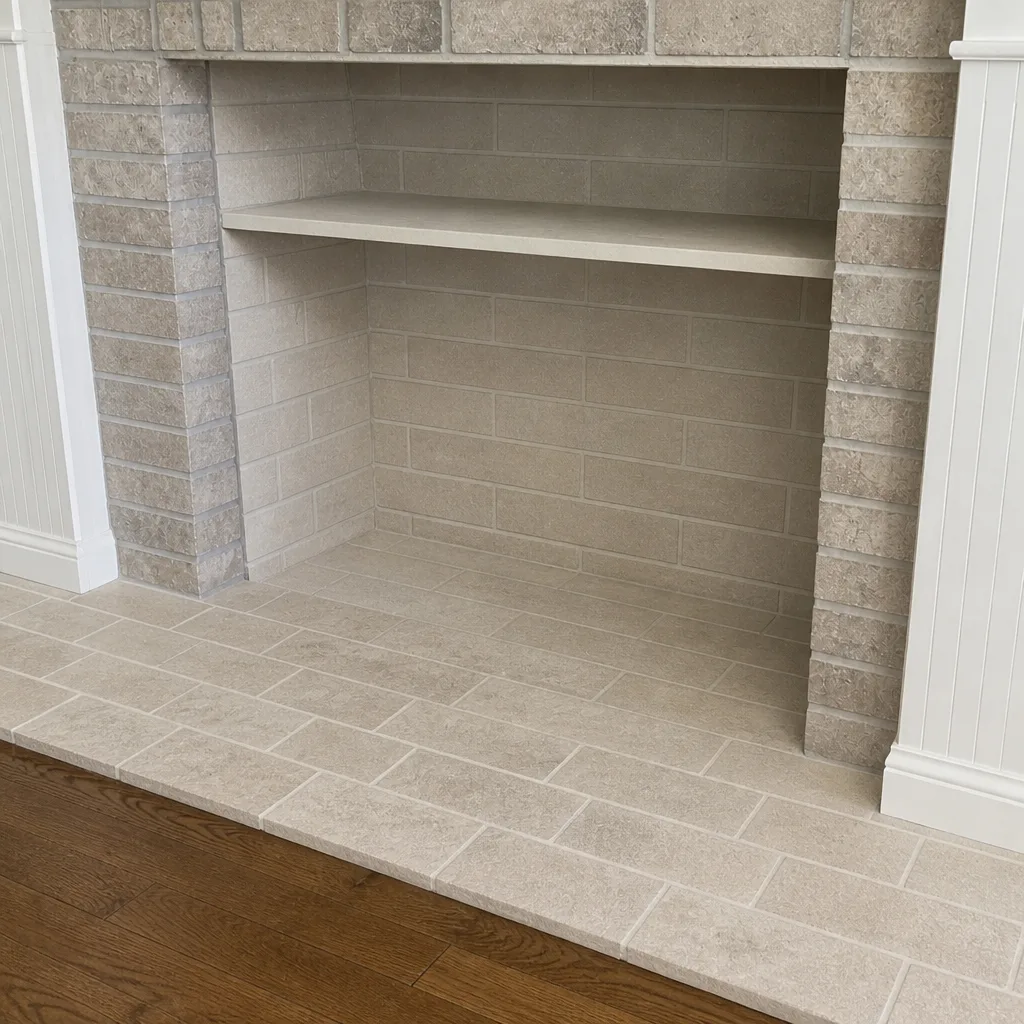
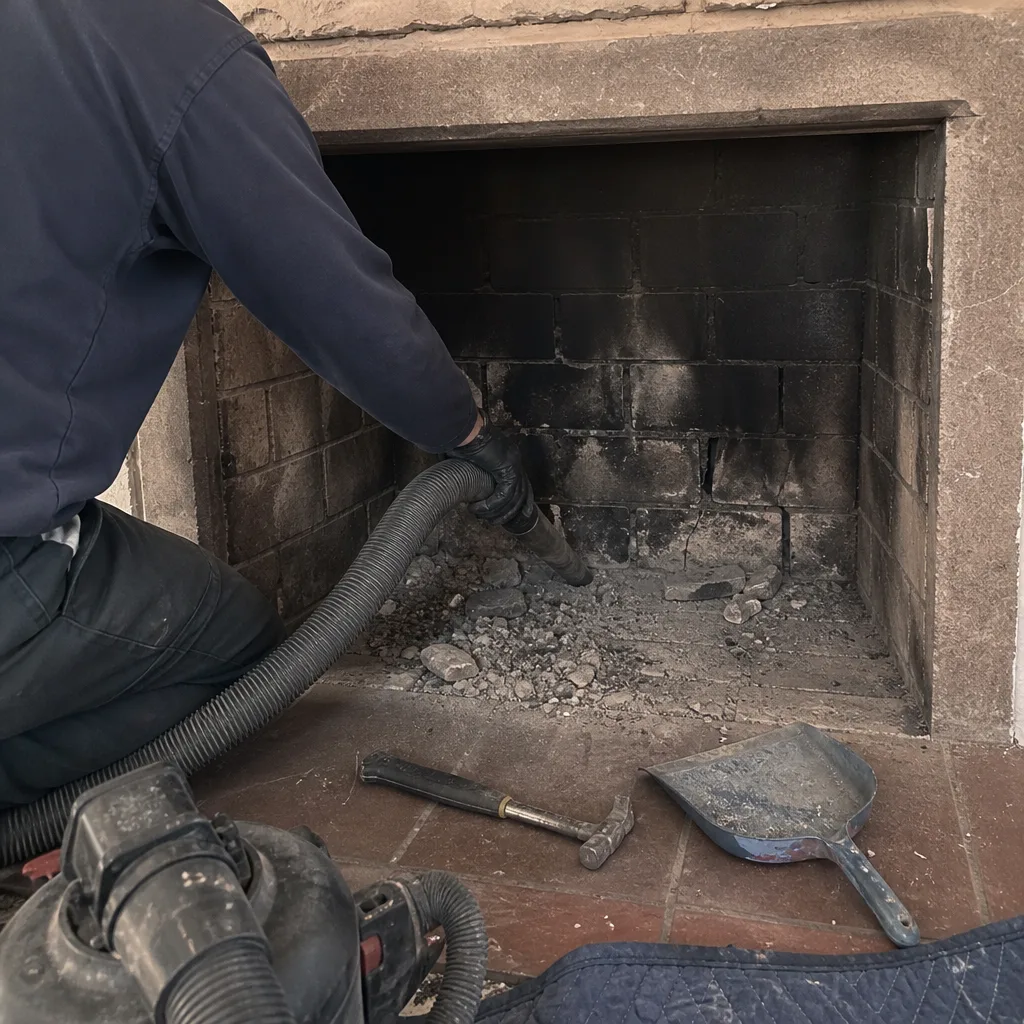
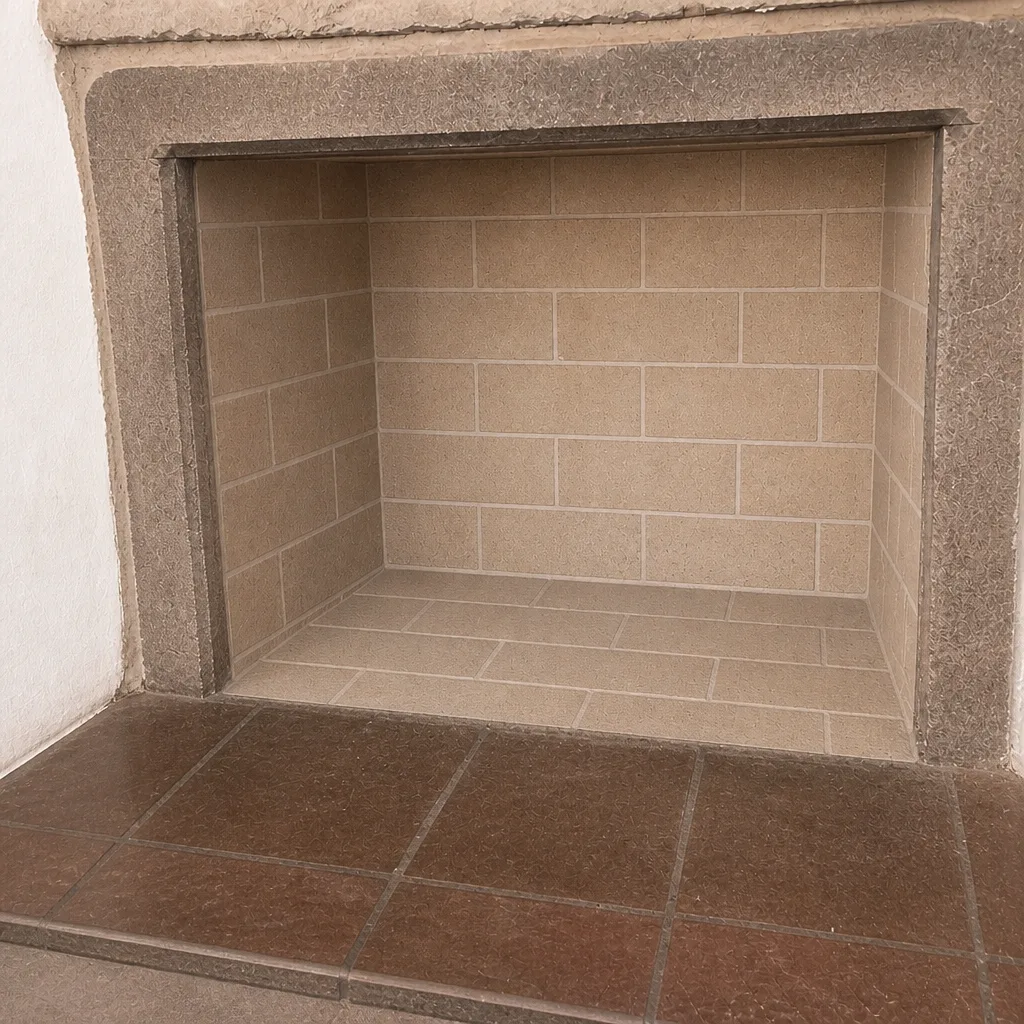
See the difference
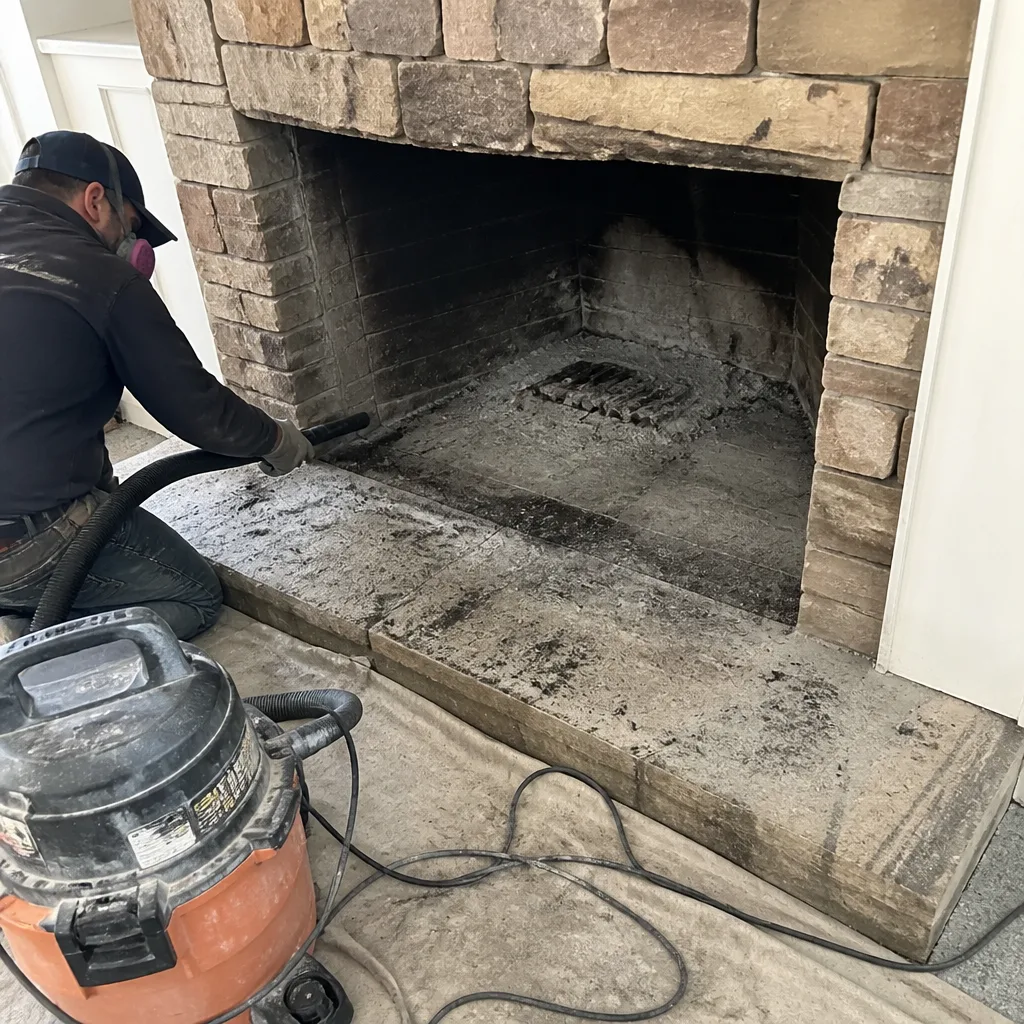 Before
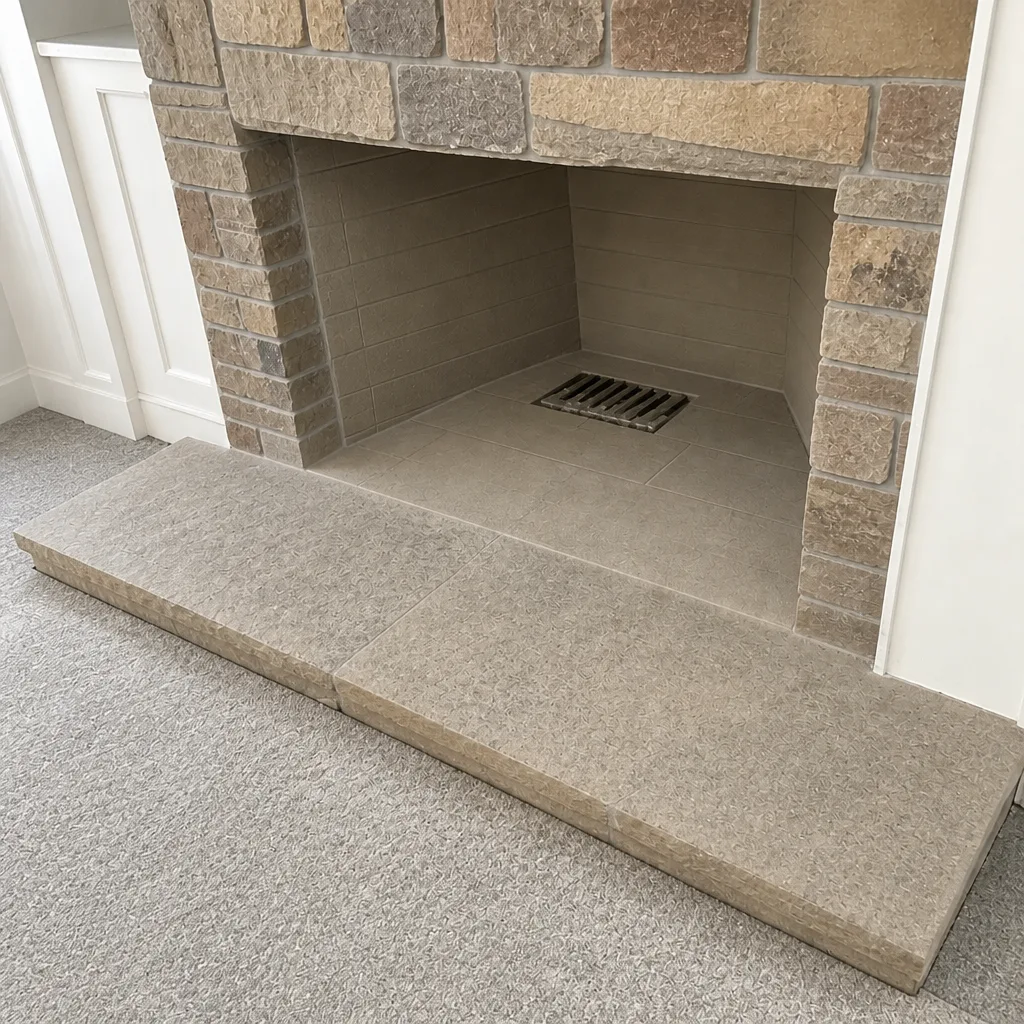 After
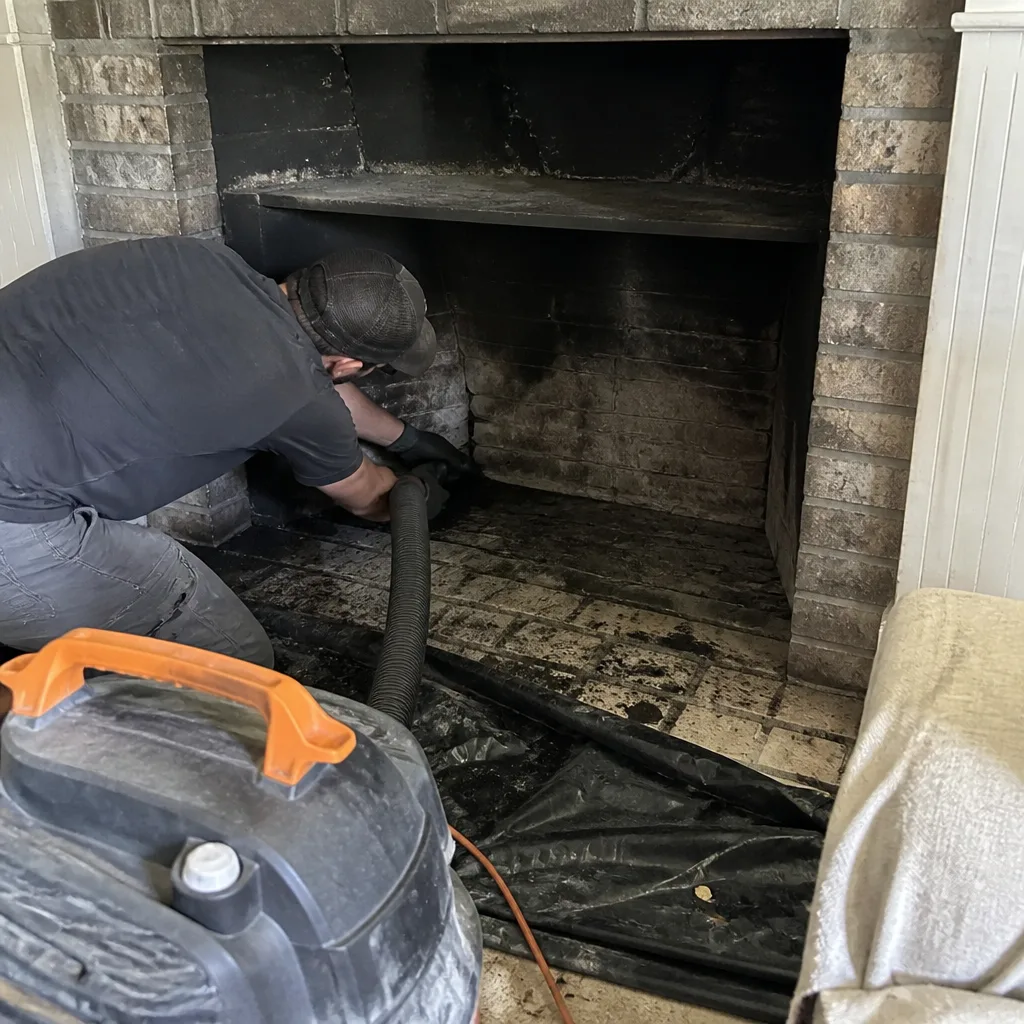 Before
 After
 Before
 After
When to Call a Professional
Call a professional if you’ve had any chimney fire, even a small one; if you smell creosote or see soot on the firebox; if the damper is stuck open or closed; if the crown or cap is damaged; or if it’s been more than a season since the last sweep. Call the same day if you’ve heard a roar or a crackle in the flue, even if it’s stopped, because the flue still needs a Level 2 inspection before you light it. An annual chimney sweep is the standard, and an insert or a stove needs to be on the same schedule. If you’re doing renovation or adding a wood stove, get a Level 2 inspection before the appliance is connected, not after. Chimney Sweep SouthPark offers free estimates in SouthPark; call (855) 425-6201.
Frequently Asked Questions
The first signs are usually a low roaring or crackling sound from the flue, a sharp hot smell in the room, and puffing smoke or sparks at the top of the chimney. Many chimney fires burn quietly inside the flue with no visible flame, so an unusual sound or smell during or after a fire is the cue to stop using the fireplace. Call (855) 425-6201 for an inspection before you light it again; estimates are free.
Yes, if you see flames at the top of the chimney, heavy smoke inside the house, the flue shaking, or anyone feeling dizzy or nauseous. A fire that has visibly escaped the flue is a fire department problem, not a homeowner problem. If you’re unsure, call. Call (855) 425-6201 for an inspection once the fire is out; estimates are free.
Not until a Level 2 inspection confirms the flue is sound. A chimney that “survived” a fire often has a cracked tile liner or a separated metal seam that can’t be seen from the firebox, and using it again risks pushing CO into the house. Call (855) 425-6201 to book the inspection; estimates are free.
Once a year for most homes, and twice a year if you burn more than a cord of wood, burn green wood, or use a wood-burning insert. The right trigger is the creosote layer inside the flue, not a calendar, which is what the sweep checks. Call (855) 425-6201 to book the sweep; estimates are free.
A Level 1 inspection is what comes with an annual sweep and covers what’s visible from the firebox and the top of the chimney. A Level 2 adds a video scan of the full flue interior and is required after any chimney fire or change in appliance. The video scan is what finds a cracked tile ten feet down. Call (855) 425-6201 for a Level 2 inspection; estimates are free.
Yes. The type of chimney, masonry or prefabricated, and whether the fireplace has a wood-burning insert or gas log set, changes how responders approach the fire. If you don’t know, say so and let them look rather than guessing. A pre-season inspection puts the answer in writing. Call (855) 425-6201 to book the inspection; estimates are free.
The Bottom Line
Chimney fire preparedness is less about heroics and more about knowing the quiet signs and the right order of actions. Recognize the roar, the smell, and the smoke at the top of the chimney, not just the flames. Close the doors and the damper, call 911 when the fire has escaped the flue, and never open the firebox door to check. Gas the fire and it’s a house fire; understand it and it stays in the flue. If you’ve had any fire at all, get the Level 2 inspection before you light the fireplace again. And document the chimney now, so you’re not building the file in the middle of an emergency. Our technicians have up to 8 years of experience, and we stock professional-grade materials from HeatShield, DuraFlex, Olympia Chimney, and Copperfield, so any repair we recommend can be done by the same team that inspected it.
If you’re in SouthPark and you want the chimney checked before the season, we’ll come out, sweep, inspect, and give you a written picture of what’s actually up there. Nothing is recommended without camera evidence you can see for yourself, and we’ll say plainly when work can safely wait. Chimney inspection is the diagnostic foundation we build every other recommendation on. Call (855) 425-6201 to book. We answer 24/7, and fast dispatch runs 7am to 7pm, Sunday through Friday.
Written by the team at Chimney Sweep SouthPark.