
Last updated November 22, 2026
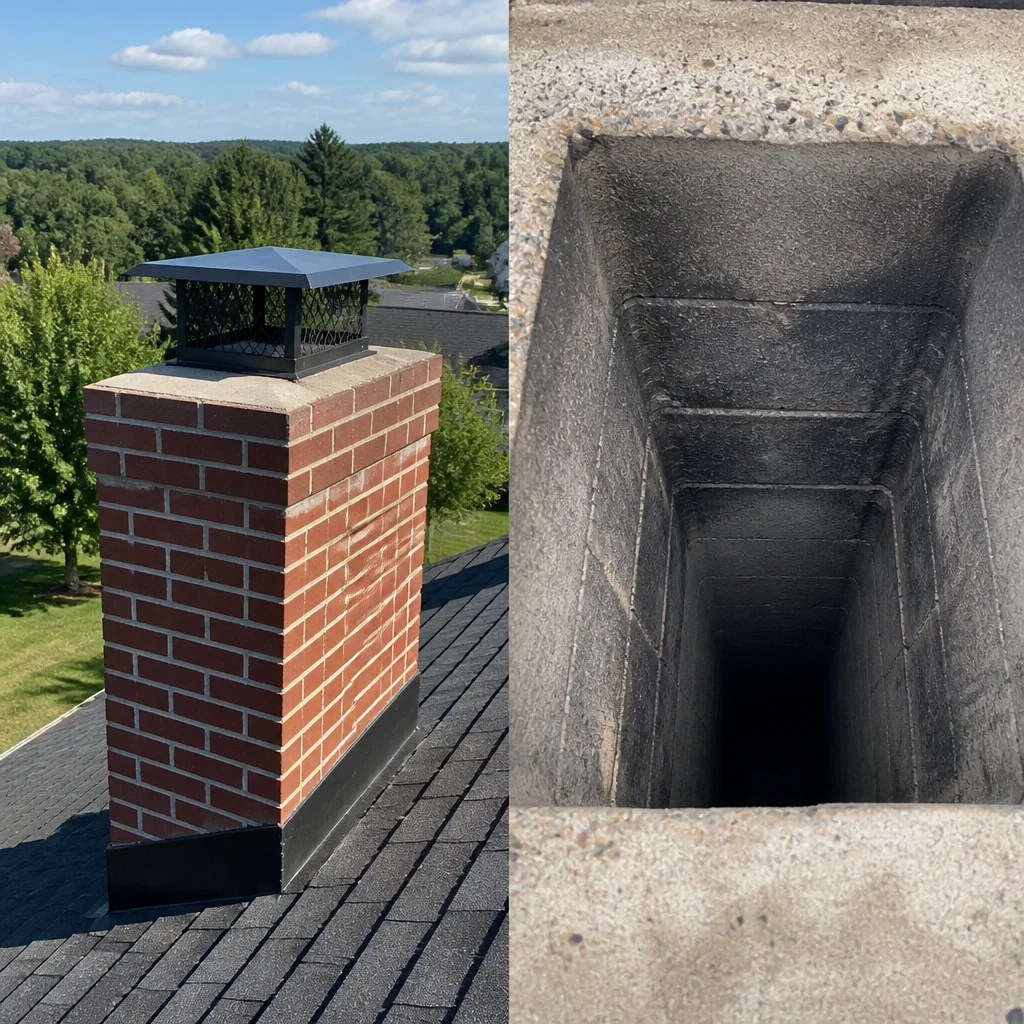 Sweep & inspection
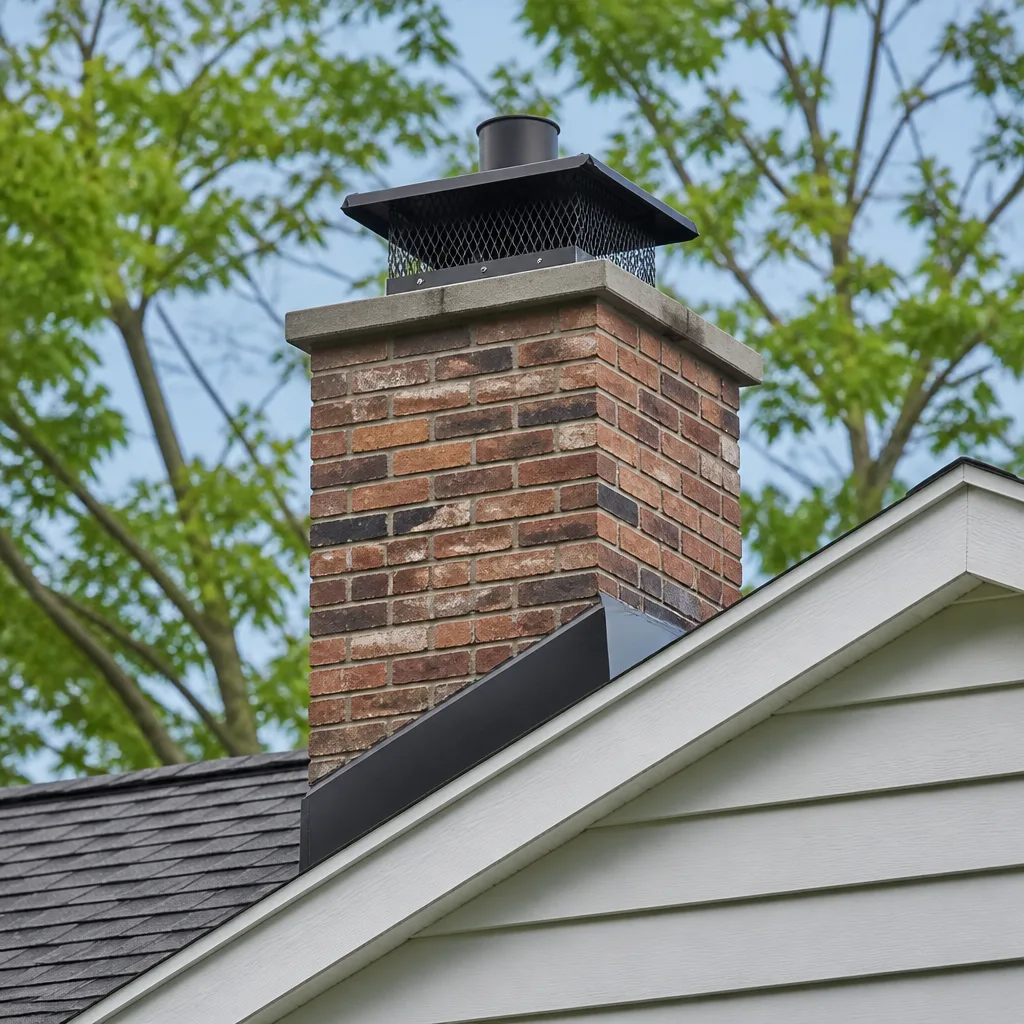 Caps & crowns
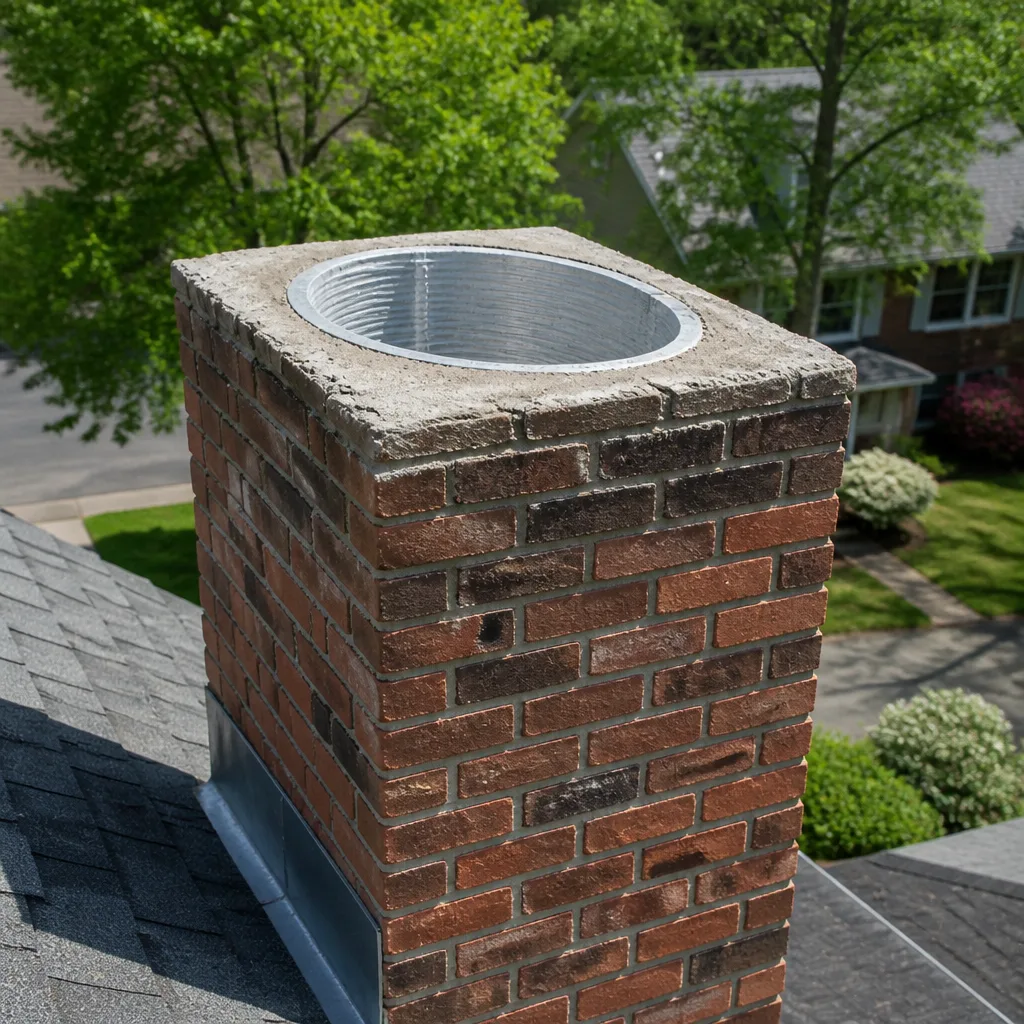 Flue relining
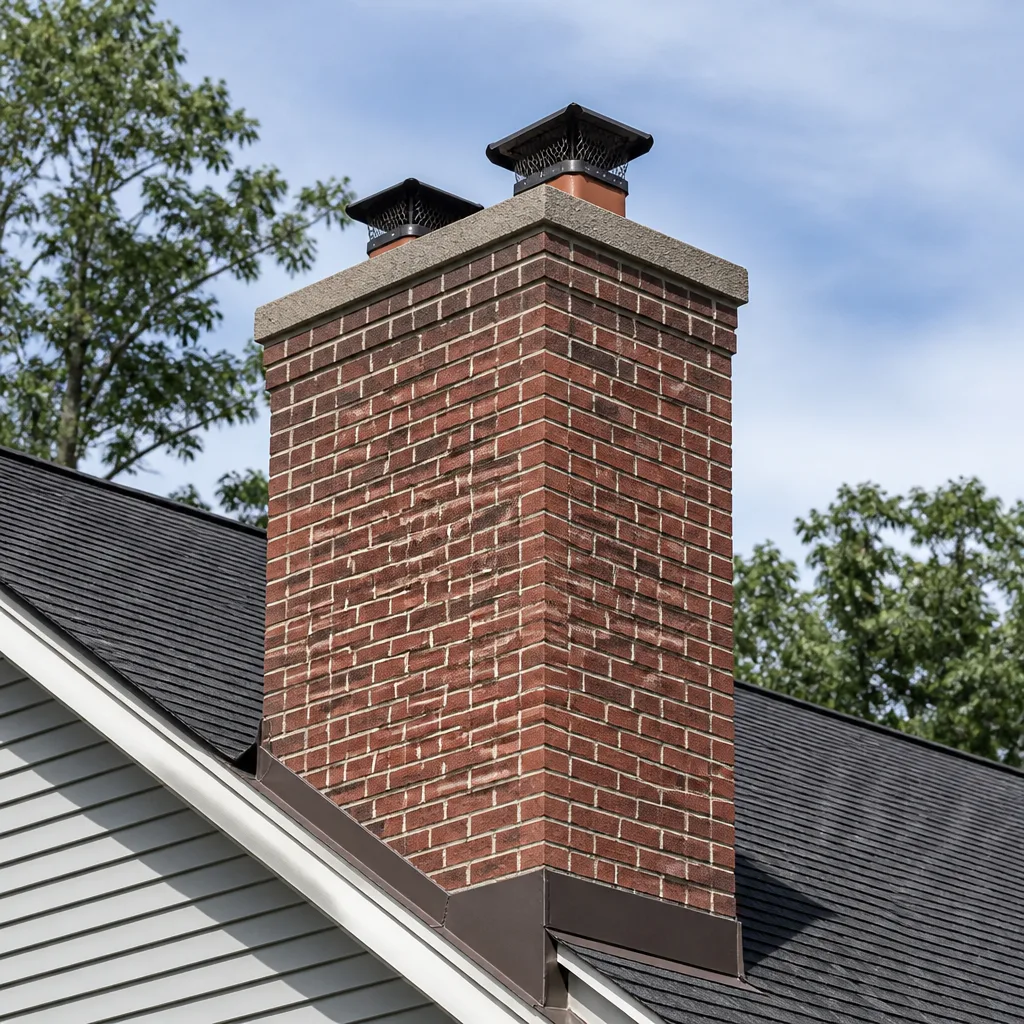 Masonry repair
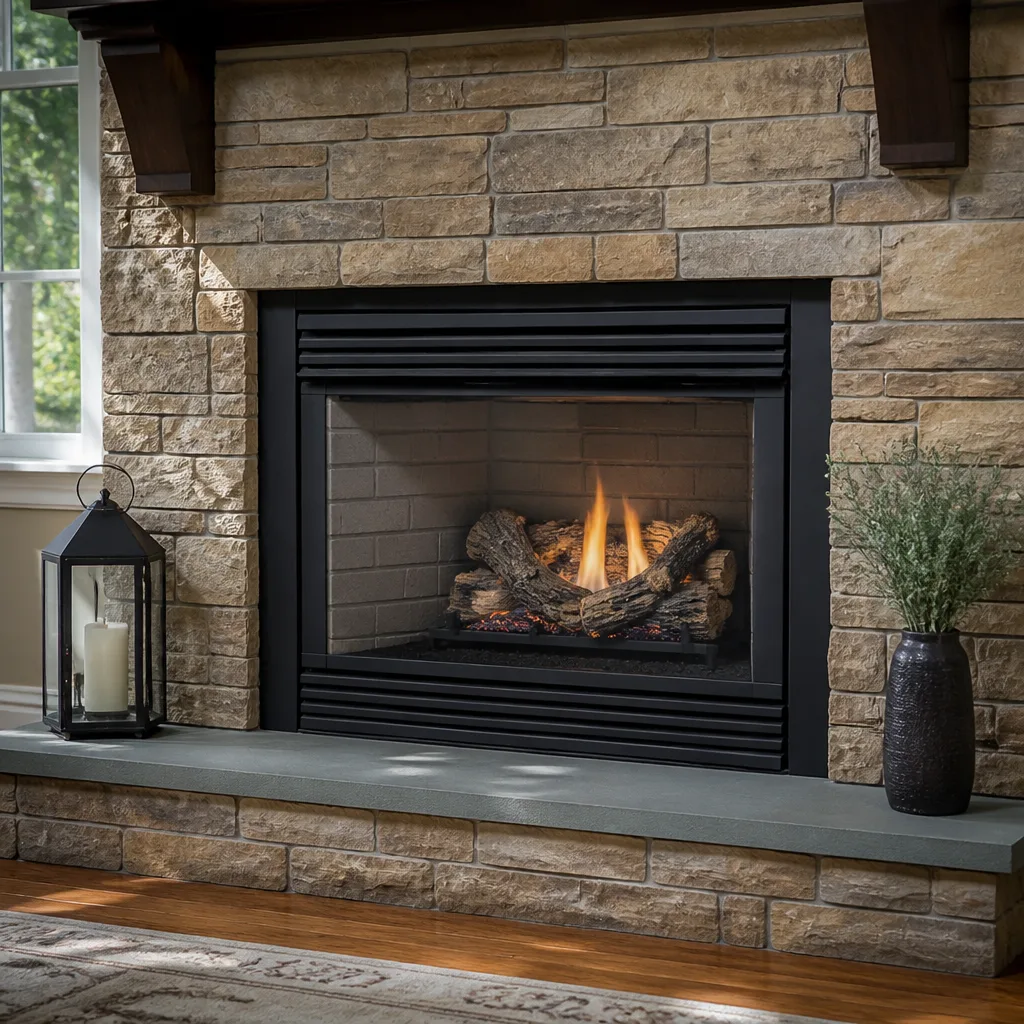 Gas fireplace service
Level 1 sweep and inspection to the NFPA 211 annual standard - flue, crown, cap, and flashing checked and photographed
Chimney sweep logs do not sweep chimneys. They loosen some creosote - which then falls where a brush and vacuum still have to collect it.
The Complete Guide to Chimney Cleaning in SouthPark
Most chimney guides treat cleaning as a single task. That’s the first thing we’d ask you to unlearn. A wood-burning fireplace and a gas-log insert need completely different cleaning protocols, and a masonry chimney with a clay tile flue behaves nothing like a prefabricated metal system with a chase cover. Homeowners in SouthPark end up paying for work their chimney didn’t need because the wrong procedure got applied to the wrong system. This guide maps the full cleaning process to the chimney configurations we actually see in SouthPark, from older Craftsman homes with masonry fireplaces to newer builds with gas inserts. You’ll learn what each system type demands, what a sweep actually removes, and how to tell whether you need one at all.
Quick Answer
Chimney cleaning in SouthPark means removing creosote, soot, and debris from your flue and firebox, and the right method depends on your fuel source and chimney construction. Wood-burning masonry chimneys need mechanical brushing and creosote staging checks, while gas-log inserts need venting inspection and debris clearing rather than creosote removal. A proper cleaning should always follow a Level 1 inspection so the technician knows what’s being cleaned and why.
Styles & brands we work with
- Sweep & inspection
- Caps & crowns
- Flue relining
- Masonry repair
- Gas fireplace service
Table of Contents
- Why your chimney’s system type determines the cleaning protocol
- Cleaning a wood-burning fireplace or insert
- Cleaning a gas-log or gas insert system
- Dual-fuel and converted systems
- What a Level 1 inspection checks during a routine sweep
- Creosote stages and why glazed deposits need chemical treatment
- Tree canopy, moisture, and cap debris in SouthPark
- What “full-service” should mean in a single visit
Why Your Chimney’s System Type Determines the Cleaning Protocol
SouthPark’s housing stock is split in an interesting way. The neighborhood has older Craftsman-era homes with original or restored masonry fireplaces, alongside newer construction and renovation builds that lean on gas inserts and prefabricated systems. Two fireplaces on the same street can require two completely different cleaning approaches, and that’s the core of everything below.
Here’s the practical problem. A cut-rate sweep may show up, run a brush down the flue, take a check, and leave. That works for a straightforward wood-burning masonry chimney, mostly. It doesn’t work for a gas insert, where creosote isn’t the issue at all and the flue may never have seen a wood fire. It doesn’t work for a prefabricated metal system, where the wrong brush type can scratch the liner. And it doesn’t work for any system that hasn’t been inspected first, because the sweeper doesn’t know what he’s about to dislodge or what he might damage.
We built our process around a simple principle: Chimney Sweep SouthPark inspects before it sweeps and repairs before you light. The whole point of a cleaning protocol is to match the method to the system, not to apply one standard routine and hope. That’s how you avoid paying for creosote treatment on a chimney that never produced creosote, or losing a flue cap to a brush that shouldn’t have been there.
Cleaning a Wood-Burning Fireplace or Insert in SouthPark
A wood-burning system is the traditional scenario most people picture when they think of chimney cleaning, and it’s also the one with the most variables. A solid-fuel appliance generates creosote as a byproduct of incomplete combustion, and cleaning means removing that creosote along with ash, soot, and any animal debris that made it in.
What a proper wood-burning cleaning covers:
- Firebox scrubbing and ash removal, including the smoke shelf where debris collects
- Damper check and cleaning, since a partially stuck damper changes draft and creosote buildup
- Flue brushing with the appropriate brush for your flue material, whether clay tile or a stainless liner
- Creosote staging check on the flue walls to determine whether brushing is enough or chemical treatment is required
- Cap, crown, and chase cover inspection from the rooftop, which is where water intrusion and debris accumulation start
- Bottom-up cleanup with drop cloths and a vacuum rated for fine soot, so the living room doesn’t become part of the job
For inserts, the cleaning protocol gets more involved because the insert sits inside the firebox and its own flue may be a stainless liner connected to the appliance collar. Technicians need to disconnect or access the insert without breaking the connection, sweep the liner with an appropriately sized poly brush rather than a wire brush that could score thin stainless, and verify the liner-to-collar seal afterward. This is where a chimney sweep who understands inserts earns their keep, because a rough sweep can damage a liner connection that wasn’t broken before.
The cleaning frequency question gets a standard answer and a real answer. The standard answer is annual. The real answer, for a SouthPark wood-burner that’s in actual use during the heating months, is that annual inspection still applies but cleaning happens when the inspection says the creosote layer justifies it. If you burn only a few cords a year, your sweep may find the flue clean enough to skip the full cleaning and schedule it next season.
Cleaning a Gas-Log or Gas Insert System in SouthPark
Here’s the part that trips up most homeowners. A gas-log system doesn’t produce creosote the way wood does. Its cleaning protocol is a different job entirely, and if a sweep brushes that flue as if it were wood-burning, he’s both wasting your money and potentially disturbing a venting arrangement that was fine.
What a gas system cleaning actually involves:
- Checking the venting, because a vented gas log set vents combustion byproducts through a flue or vent and needs proper draft
- Cleaning the log set and burner area, where dust, pet hair, and combustion residue collect and can clog ports
- Clearing any bird or squirrel debris from the flue and cap, since an unused flue is an open door for wildlife
- Inspecting the cap and chase cover for rust and gaps, which are more of a moisture issue for gas venting than a creosote issue
- Verifying the damper arrangement and any venting requirements for the appliance type
The cleaning scope for a vent-free set is different again. Vent-free logs need clearance checks and burner inspection rather than flue sweeping, since no flue is involved. That distinction alone is why the system type has to be established before anyone quotes the job.
Gas is also the category where the safety stakes shift. Carbon monoxide is a real byproduct of combustion, and a venting or draft problem on a gas appliance is a genuine concern rather than a maintenance nuisance. We don’t treat that lightly, and we don’t hand out do-it-yourself burner adjustment instructions. Adjusted or blocked venting on a gas appliance is a job for a trained technician who can verify the appliance is drawing properly before anyone lights it again.
Dual-Fuel and Converted Systems in SouthPark Homes
Dual-fuel setups show up in SouthPark when an original wood fireplace gets a gas log set dropped into it, or when a homeowner switches back and forth between wood and gas. Both scenarios create the same problem: the chimney was built for wood, it’s now venting gas, and the cleaning protocol can’t be one or the other.
For a converted setup, the questions to answer before sweeping are:
- Is the original masonry firebox still in use as a wood firebox, or fully converted?
- Is there a stainless liner in the flue, and what size and type is it?
- How often is each fuel source actually burned?
- What’s the current condition of the flue walls, given the mixed history?
The last one matters most. A masonry chimney that burned wood for years has creosote deposits even if the current owner has only run gas logs. If that creosote layer is moderate, it still needs brushing. If it’s reached the glazed stage, brushing won’t remove it and chemical treatment is required before any further use. Skipping that step because “we only run gas now” leaves a flammable layer in the flue from the previous life of the fireplace.
For dual-fuel systems that burn both, the standard wood-burning inspection and cleaning applies. The gas components, the log set and burner, get their own check during the same visit. One technician should be handling both parts of the system on one visit, and that’s part of what we mean by end-to-end care. When the same company handles the sweep and the system-specific repair on a dual-fuel setup, nobody has to hand off between a sweep specialist and a gas technician.
What a Level 1 Inspection Actually Checks During a Routine Sweep
A Level 1 inspection is the foundation of a routine visit. It’s a visual inspection of readily accessible parts of the chimney and venting system, performed with the appliance in its normal operating condition. It’s what happens before the sweep and again after, and the point is to establish the condition of what you’re about to clean.
What a Level 1 inspection covers:
- Firebox and smoke chamber condition, including any cracks or spalling
- Damper operation
- Flue condition as visible from the firebox and from the top
- Cap and crown condition, checked from the roof
- Visible venting connections
- Any obvious obstruction, birds’ nests, or excessive creosote buildup
What a Level 1 typically defers to a Level 2 is where homeowners get confused. A Level 1 doesn’t go inside concealed areas. If it turns up hints of a hidden problem, a cracked flue tile behind a chase cover, an indication of a shifted liner, or evidence of a previous fire, a Level 2 is the next step. A Level 2 is a more thorough inspection and may use video scanning to see portions of the flue that a visual from the top or bottom can’t reach. It’s also the standard after a chimney fire, after a significant event, or on any change of ownership.
The practical difference for a SouthPark homeowner: a routine sweep should include a Level 1 and shouldn’t upsell a Level 2 unless something in the Level 1 findings genuinely warrants it. If a technician recommends a Level 2, ask what was found and why a visual check wasn’t enough. You should be able to see the evidence for that recommendation.
Creosote Stages and Why Glazed Deposits Need Chemical Treatment
Creosote builds in stages, and the stage determines whether standard brushing does the job. This is the most important thing a homeowner can understand about chimney cleaning, because it explains why some jobs take twenty minutes and others need a chemical treatment sit time before any brushing begins.
The three stages, in plain terms:
- Stage one, soot and flaky creosote. A thin, dusty, or flaky deposit on the flue. This is what routine brushing handles.
- Stage two, glazed deposits. The creosote has hardened into a dense, shiny, tar-like layer on the flue wall. A standard brush will not remove it. It either needs a chemical treatment to break down the deposit first, or mechanical tooling if the liner material allows.
- Stage three, heavy glazed or tar-like deposits. The thickest stage, and the point at which the deposit itself is a fire risk. Cleaning may require extended chemical treatment, and in some cases the condition of the flue justifies liner work or restoration rather than repeated cleaning.
Stage two is where we see the most confusion in SouthPark. A homeowner gets a sweep, the sweep brushes the flue, and the deposit is still there because it’s glazed. The sweep should have recognized the stage before brushing and applied the treatment required. This is where restoration comes in. A proprietary liner restoration system like HeatShield can rebuild a damaged or deteriorated flue interior rather than requiring a full reline, and we’ve applied it specifically to flues where the deposit damage went beyond what cleaning alone could resolve.
For severely damaged or aging flues where restoration isn’t the right answer, a flexible liner system from a professional brand is the standard approach. DuraFlex flexible liner systems are the industry standard for relining aging or damaged flues, and we install them because they give a reliable flue path rather than a patched one. The point isn’t the product name; it’s that creosote stage three is often the sign a flue needs more than cleaning, and recognizing that early saves you from sweeping the same failing flue every year.
Tree Canopy, Moisture, and Cap Debris in SouthPark
SouthPark’s mature landscaping and established tree canopy create a cleaning problem that a newer suburban development doesn’t have. Leaves, twigs, seed pods, and the seed fluff some of the older trees drop through the summer all end up on rooftops and, if the cap lets them in, in the flue and on top of the damper.
What that means for cleaning scope:
- Caps and chase covers collect debris faster. A flat cap or an open-top flue without a proper cap is a debris trap. Debris blocks draft, and blocked draft pushes combustion byproducts back into the house instead of up the flue.
- Tree cover holds moisture against the chimney. Shade from a mature canopy means the chimney stays damp longer after rain, and a damp crown or chase cover leads to cracking and water intrusion over the years.
- Wildlife access increases. A chimney with a missing or damaged cap is an open invitation to birds and squirrels, and a nest in the flue is both a draft problem and, if you light a fire without clearing it, a hazard.
- Roof debris accumulates on the crown itself. The crown is the sloped top surface of the masonry chimney, and it takes the brunt of leaf litter and standing water. It’s the part most often ignored until a leak appears in the ceiling.
This is also where cap and crown work pulls its weight as prevention rather than a repair you schedule after a problem. A proper cap keeps debris and wildlife out during the season when the chimney is idle, and a sound crown sheds water away from the masonry rather than into it. When the cap and crown are right, the sweep has less to remove and the chimney holds up longer. Our chimney cap & crown work is part of the same visit as the sweep because checking them only at failure is too late.
What “Full-Service” Should Mean in a Single Visit
A full-service visit should answer every question about your chimney system in one appointment, not split the sweep from the inspection and hand off the repair to a different contractor. That’s the standard we hold to, and it’s the difference between one reliable specialist and a relay of subcontractors.
A genuinely full-service visit covers:
- A Level 1 inspection before the cleaning, with findings explained to you before any work starts
- The cleaning itself, with the correct method for your system type
- A liner check as part of the cleaning, since the flue is already open and visible
- Crown and cap inspection from the roof while the technician is already up there
- A camera inspection where a video check is warranted, with the findings shown to you rather than described over the phone
- A photo report and a written scope of any recommended repair with the reasoning behind it
What it shouldn’t mean is a technician who sweeps and then says “you need a new liner” with no evidence you can see. If a liner, crown, or masonry repair is recommended, the technician should be able to show you the condition that justifies it. A chimney professional with video capability should offer it, not perform it silently and print the invoice. That transparency is the entire point of the professional-grade brand roster we work with. Naming the products we install, whether it’s HeatShield restoration, a DuraFlex liner, or Gelco vent and cap components, lets you research them independently instead of taking a claim at face value. Olympia Chimney and Famco components work the same way in our service: professional-grade parts, name-branded, not a generic off-brand substitution. In practice that matters most when one technician handles the sweep, the liner check, and the crown inspection on the same visit and can show the reasoning behind each repair from the crown down to the firebox.
Common Mistakes to Avoid
- Booking a cleaning before an inspection. A sweep who hasn’t inspected your system doesn’t know what needs cleaning or what could be damaged by the brush. The inspection comes first and should inform the cleaning scope.
- Treating a gas-log insert like a wood fireplace. Brushing a gas flue as if it were a wood-burning chimney is unnecessary work at best and risks disturbing the venting at worst. Confirm the fuel source before scheduling.
- Ignoring glazed creosote and sweeping anyway. A stage-two glazed deposit won’t come off with a brush. If the sweep doesn’t mention the stage or a chemical treatment step, the job may not be complete.
- Skipping the cap and crown because the firebox looks fine. SouthPark’s tree canopy is a debris engine. A damaged cap or a cracked crown lets leaves and water in through the entire off-season, and the firebox is the last place to show it.
- Letting a sweep recommend a repair with no evidence. A new liner or crown rebuild should be backed by visible condition. Ask to see the photo or the camera footage before approving the work.
- Delaying a sweep until the season starts. The repair work that comes up from an inspection takes time. Booking before the heating season means there’s room to schedule liner or crown work without waiting on the first cold snap.
- Ignoring the chimney because a gas appliance “doesn’t make creosote.” Gas systems still need venting checks and debris clearing, and a blocked or venting-challenged gas appliance is a carbon monoxide concern, not a maintenance inconvenience.
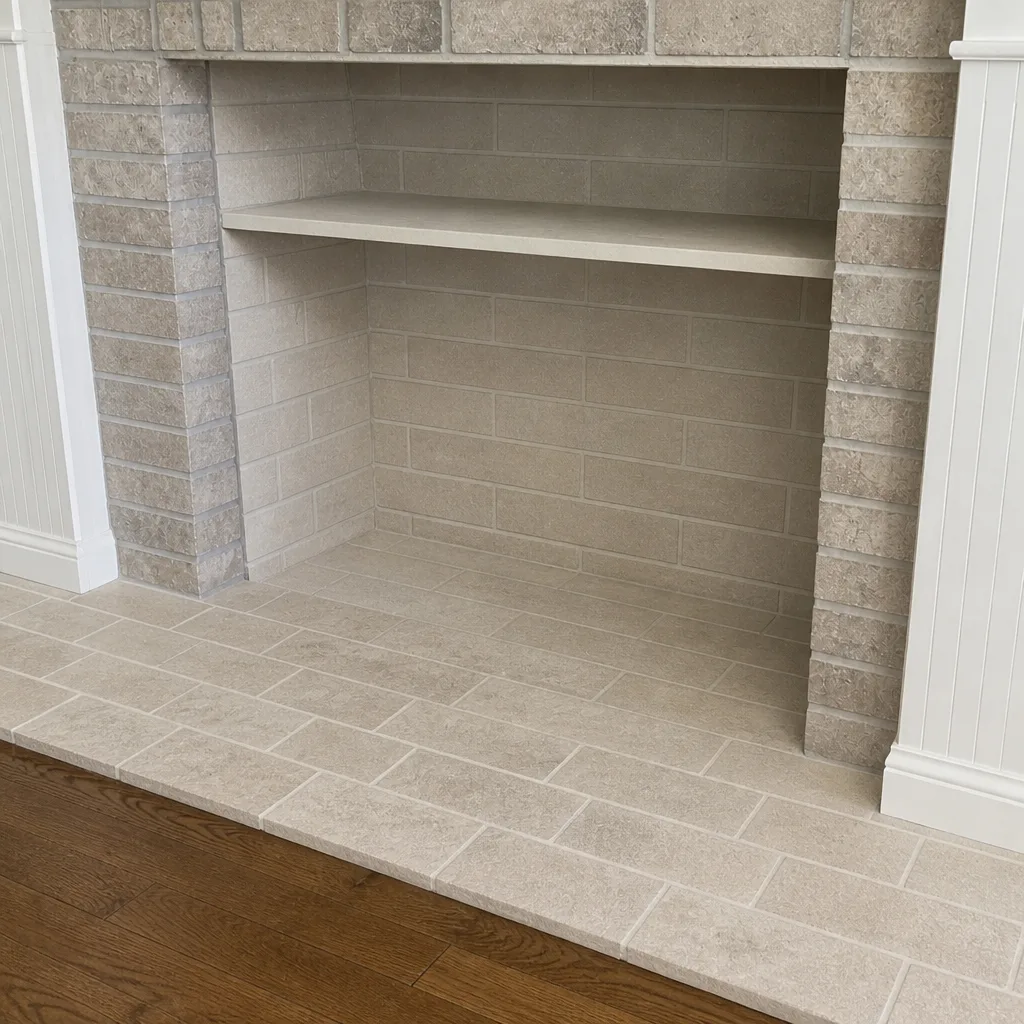
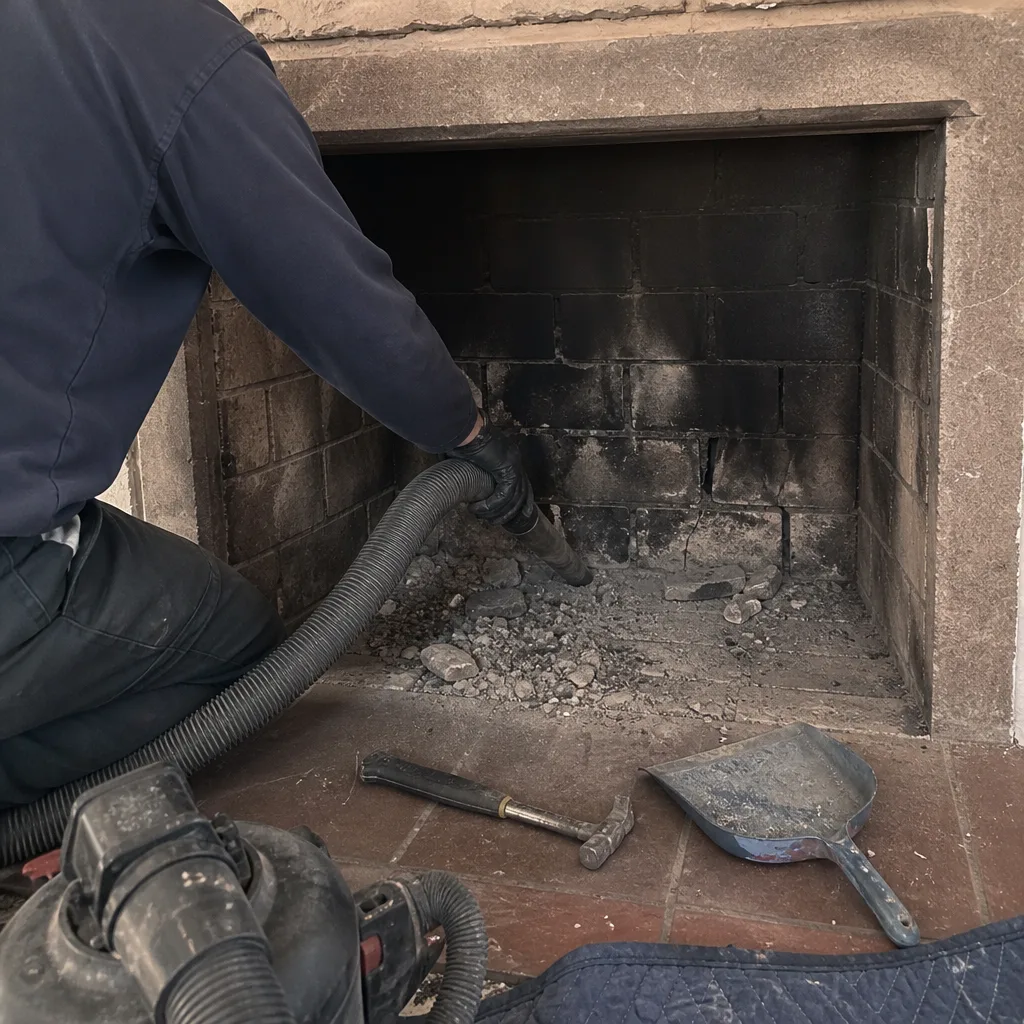
See the difference
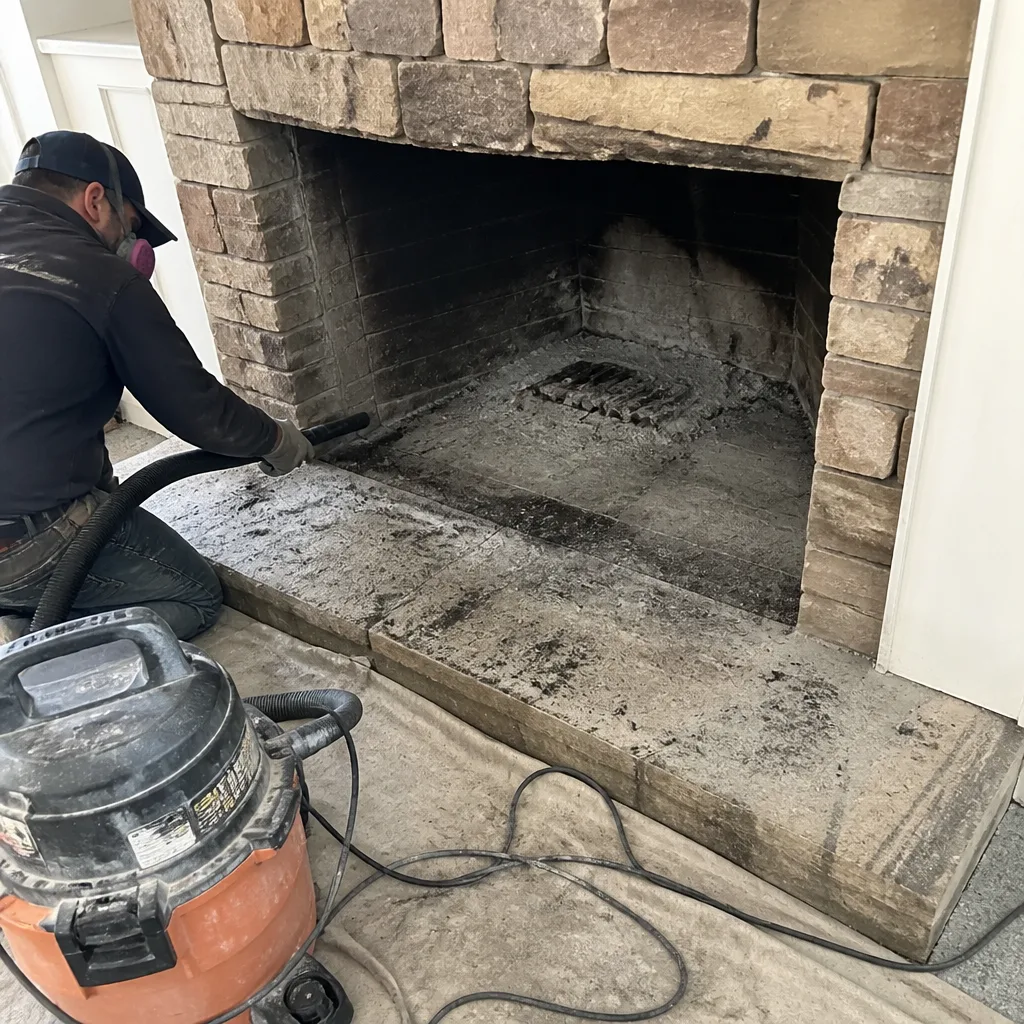 Before
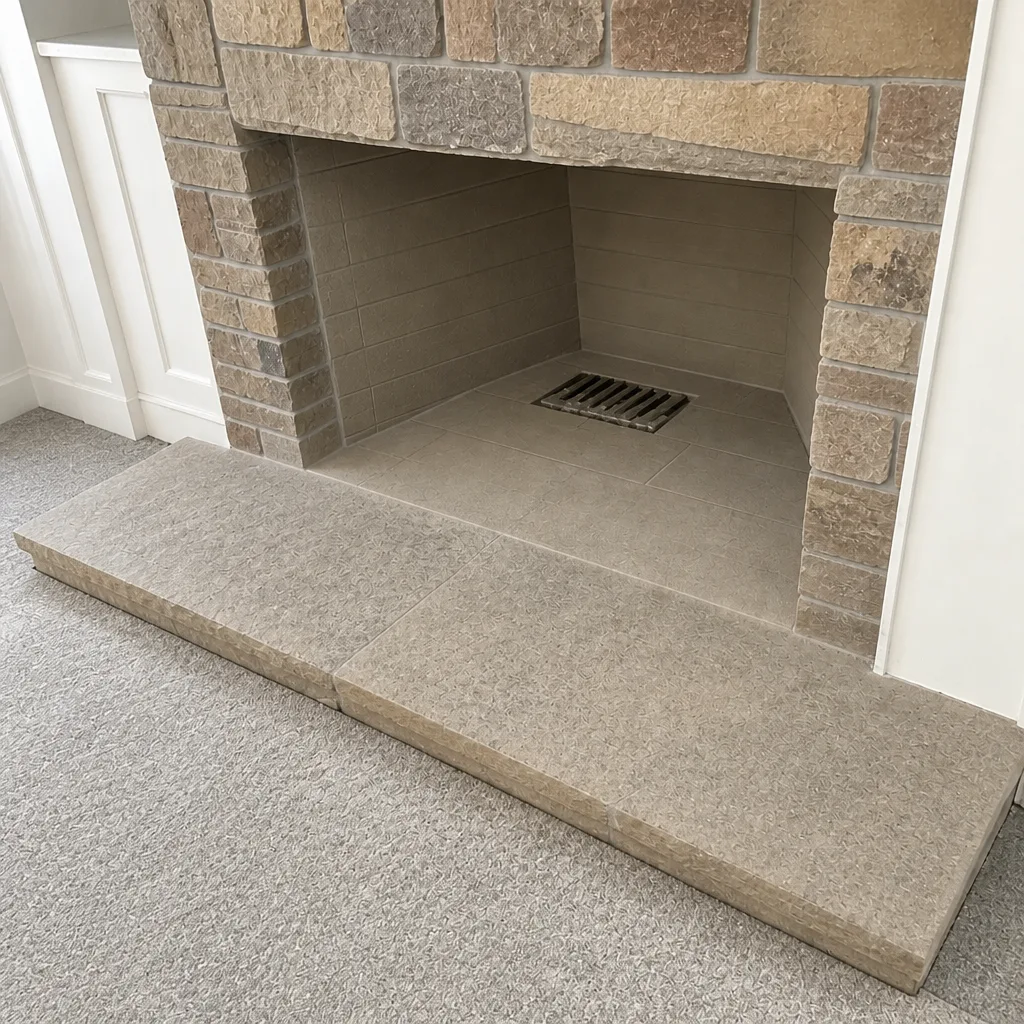 After
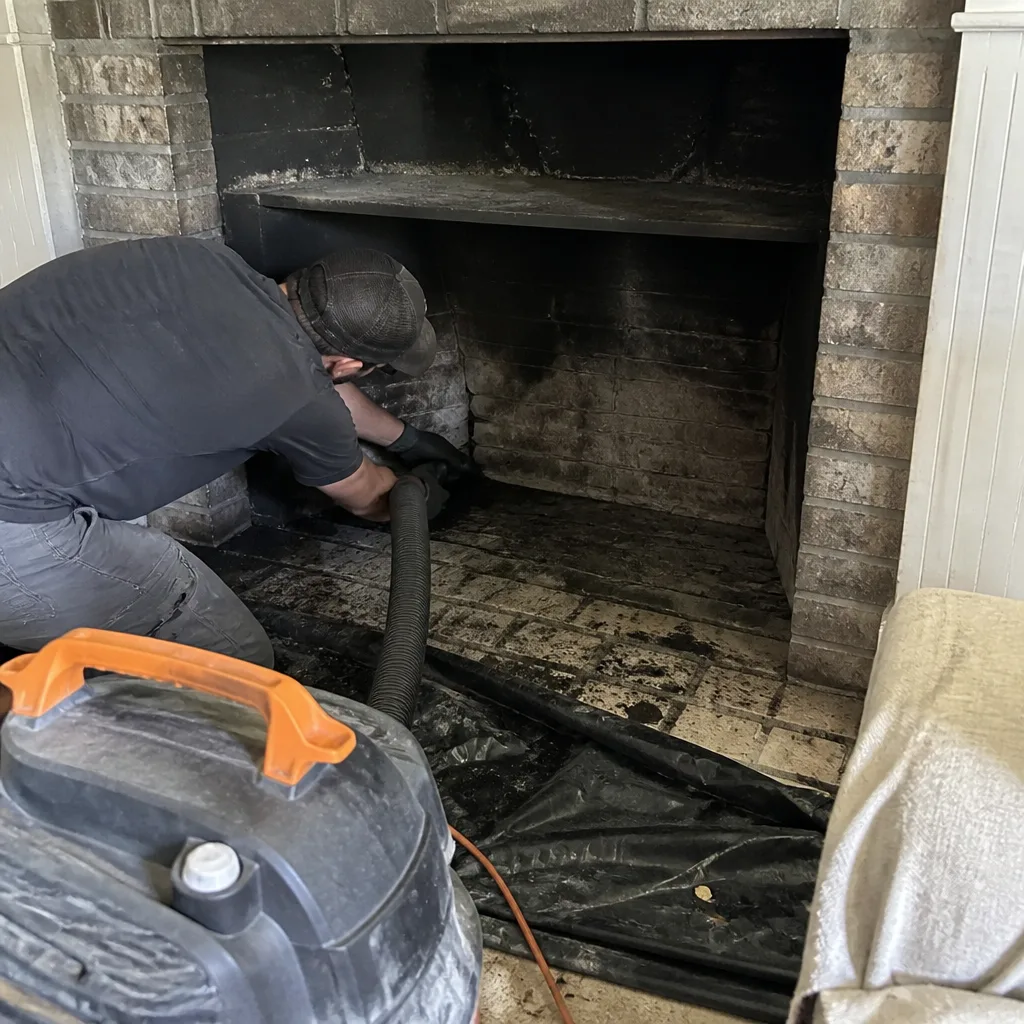 Before
 After
 Before
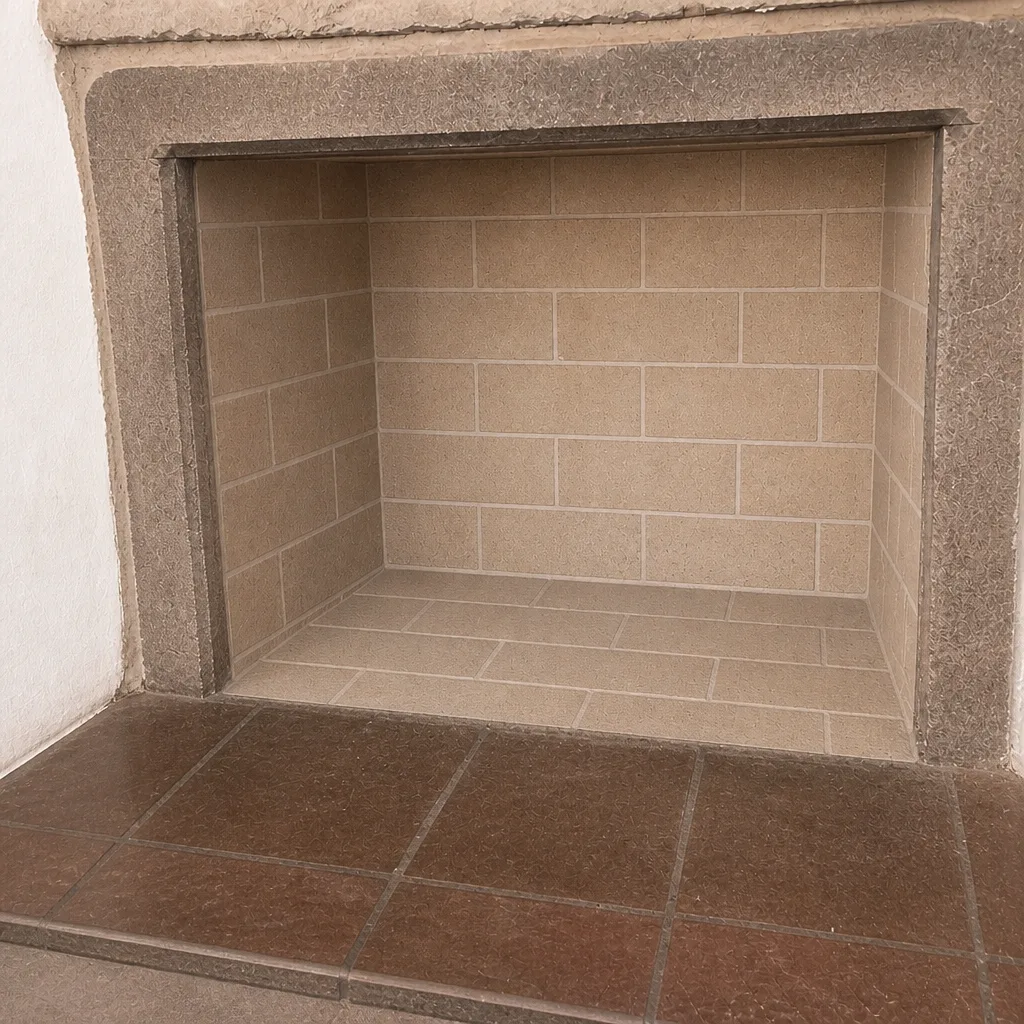 After
When to Call a Professional
Call a trained professional if you smell a strong, harsh odor from the firebox outside of burning hours, which can indicate creosote buildup or a draft problem. Call if smoke rolls into the room when you light a fire, if the damper won’t open fully or seat properly, or if you see cracked or missing flue tiles from the top of the chimney. Call if your cap is missing or a bird has nested in the flue, or if you’ve moved into a SouthPark home and don’t have a record of the last inspection. Never light a fire in any chimney that hasn’t been inspected since you’ve owned the home. Chimney Sweep SouthPark offers free estimates in SouthPark at (855) 425-6201.
Frequently Asked Questions
Most standard chimney sweeps in SouthPark fall in the two-hundred-dollar range for a straightforward wood-burning cleaning, with the exact price set per job by the written estimate after the technician inspects the system. Gas insert cleaning, liner restoration, or repairs found during the sweep will change the scope and the quote. Call (855) 425-6201 for an exact quote. Estimates are free.
A yearly inspection is the standard, but the cleaning itself depends on what the inspection finds. A homeowner who burns heavily through the winter will likely need an annual cleaning, while a light user with a gas insert may be on a longer cycle for actual cleaning while still due for an annual inspection. Call (855) 425-6201 for a look at your specific system.
Gas inserts don’t produce creosote, but they do need their venting checked and their burner area cleared of dust and debris, and the flue can collect leaf litter or wildlife nests when it’s idle. The visit is different from a wood-burning sweep, not optional. Call (855) 425-6201 if your gas insert hasn’t been checked this season.
Ask to see the condition that justifies the recommendation, whether that’s a photo of the flue interior or a video scan, before you agree to any liner work. A genuine liner recommendation is backed by visible damage. If it is, a flexible liner system like DuraFlex is the standard fix, and liner restoration like HeatShield is an alternative when the flue hasn’t failed completely. Call (855) 425-6201 to have the condition checked with the camera.
Deposits build and the risk of a chimney fire rises, and a blocked or damaged flue on a gas appliance can allow carbon monoxide into the home rather than venting it out. Neither consequence is immediate for every chimney, but skipping a routine inspection removes your chance to catch a problem before it becomes a repair. Call (855) 425-6201 and book an inspection before the season starts.
Cap and crown installation or replacement can often be scheduled alongside the sweep, since the technician is already inspecting those parts from the roof. A full replacement is scheduled after the inspection, not on the spot. Call (855) 425-6201 to book both together.
The Bottom Line
The cleaning protocol has to match the system. A wood-burning masonry fireplace in a SouthPark Craftsman home needs creosote staging and proper brushing, while a gas-log insert needs venting checks and debris clearing, and a dual-fuel setup needs both halves handled in one visit. Inspection comes first, because the scope of the cleaning depends on what’s found. Glazed creosote needs chemical treatment, not a brush. The tree canopy and mature landscaping around SouthPark make cap and crown condition as much a part of the sweep as the flue itself. When one specialist handles the sweep, the liner check, and the crown inspection from the crown to the firebox, nothing gets handed off and nothing gets missed. Our technicians have up to 8 years of experience with every system type covered in this guide.
For fireplace and wood-stove system damage that shows up during a sweep, fireplace repair is part of the same service scope, so the repair recommendation comes from the technician who cleaned the system.
Call (855) 425-6201 for a free estimate. We answer 24/7. Fast dispatch from 7am to 7pm, Sunday through Friday.
Written by the team at Chimney Sweep SouthPark.