
Last updated November 22, 2026
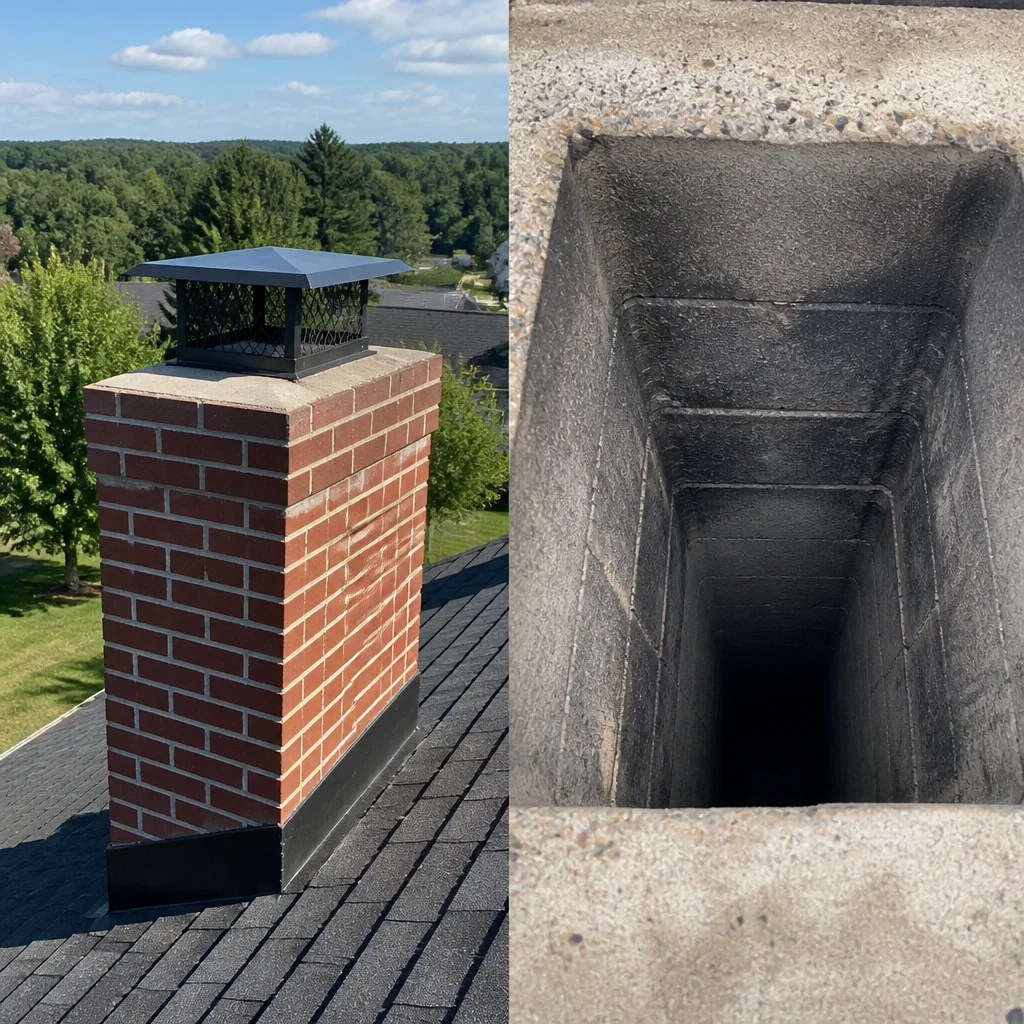 Sweep & inspection
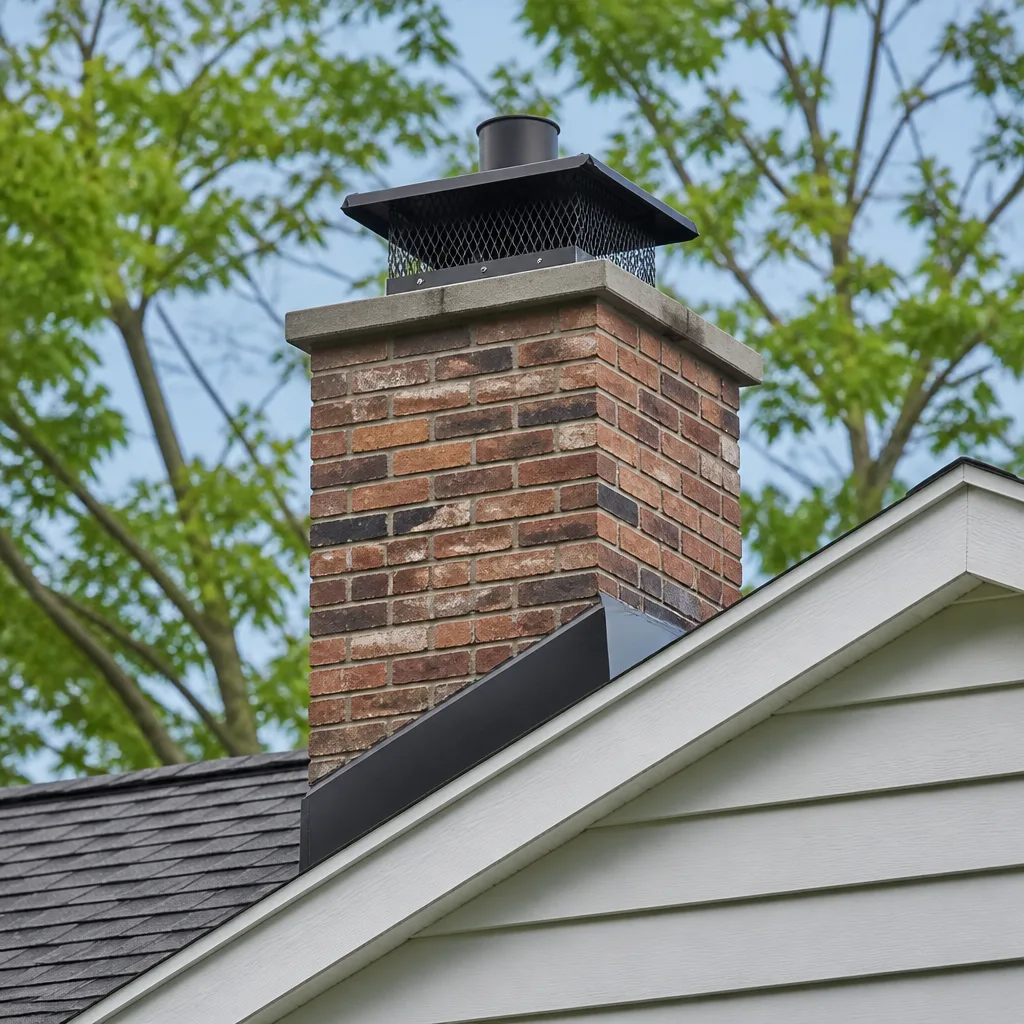 Caps & crowns
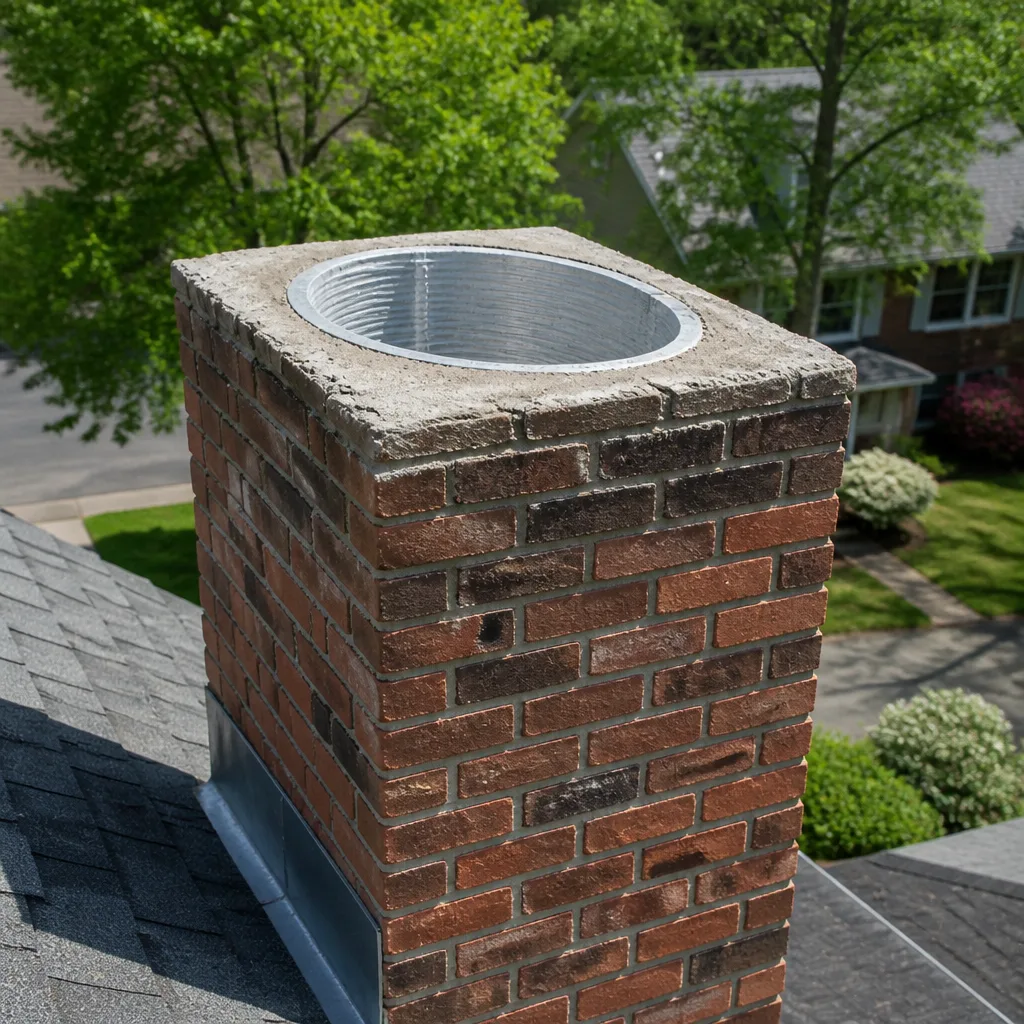 Flue relining
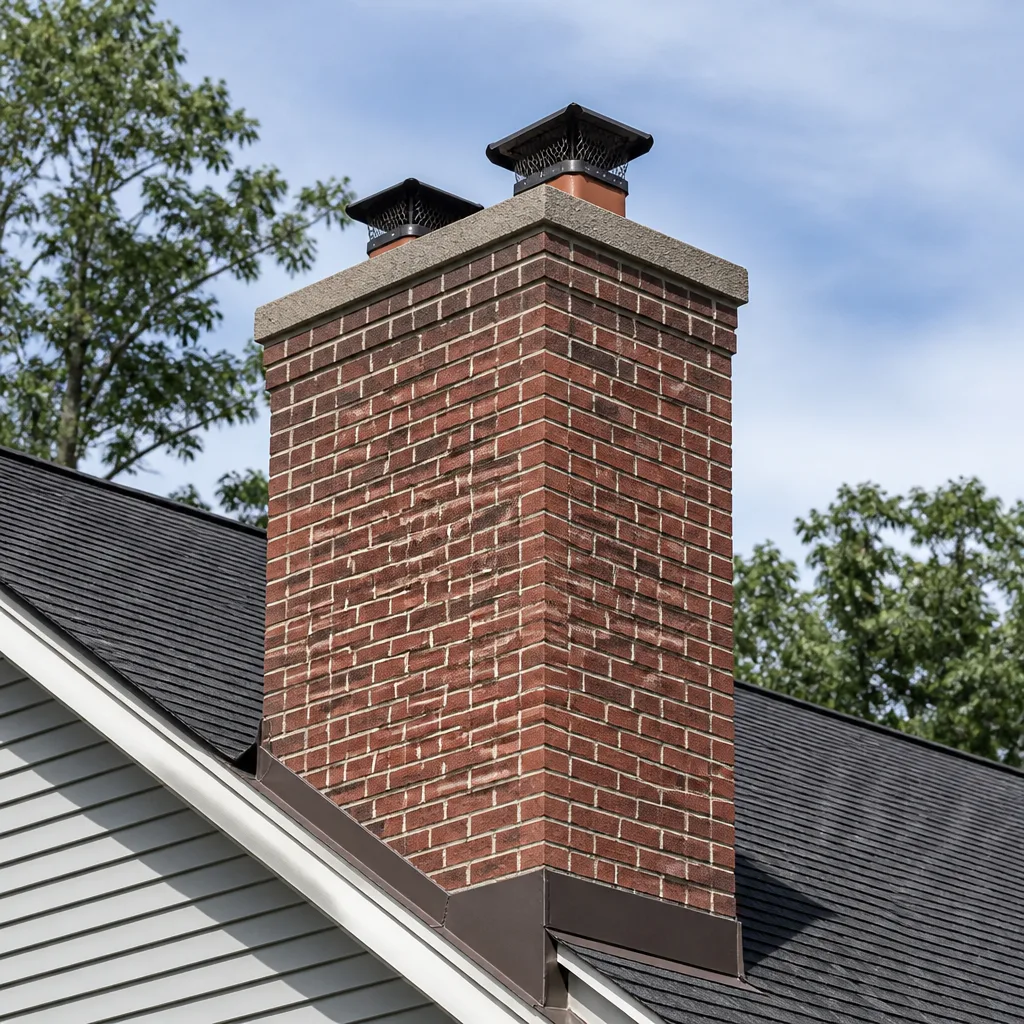 Masonry repair
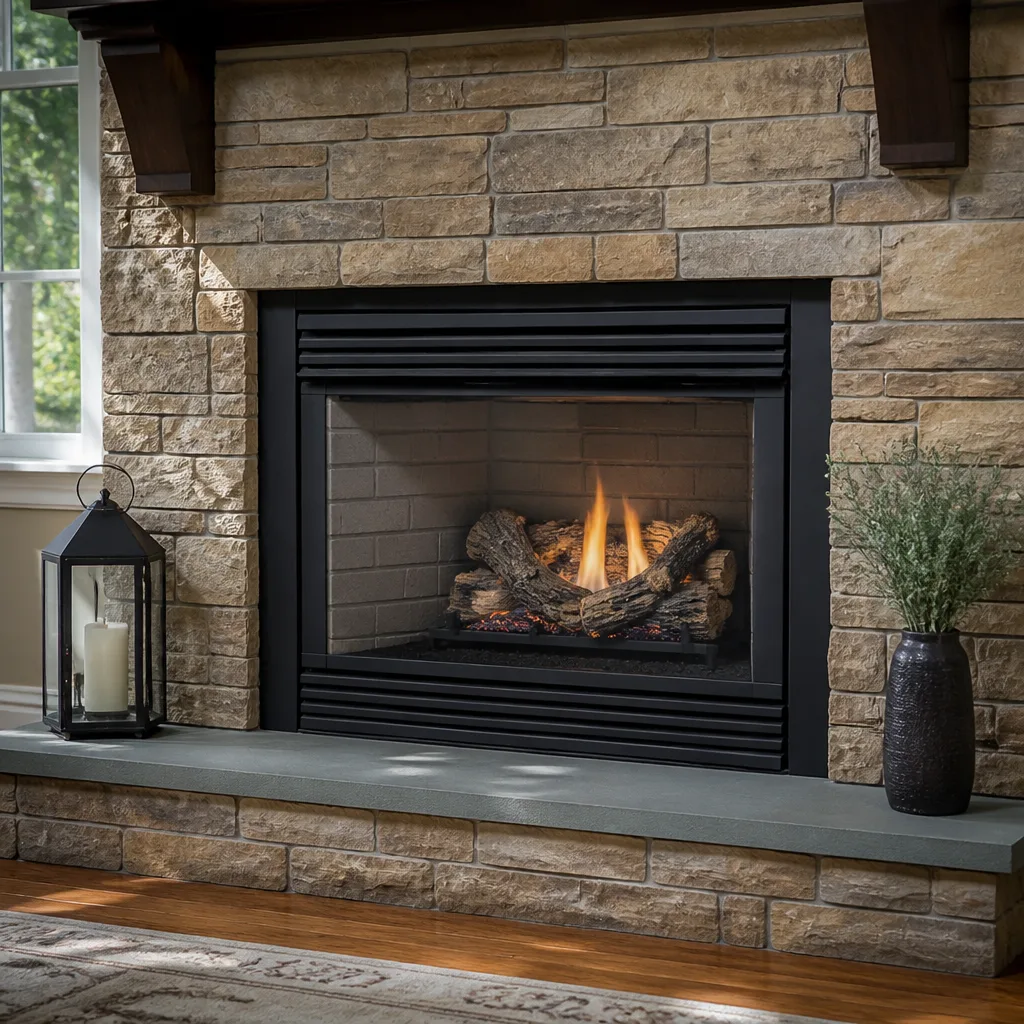 Gas fireplace service
Level 1 sweep and inspection to the NFPA 211 annual standard - flue, crown, cap, and flashing checked and photographed
Chimney sweep logs do not sweep chimneys. They loosen some creosote - which then falls where a brush and vacuum still have to collect it.
How to Hire a Chimney Cleaning Contractor in SouthPark: A Step-by-Step Guide
Here’s the part most homeowners don’t know: North Carolina doesn’t license chimney sweeps. There’s no state board checking credentials, no exam a sweep has to pass before knocking on your door. The burden of verifying who’s qualified to open up your chimney falls entirely on you, and that’s often a surprise to people calling around SouthPark for the first time. The wrong hire can miss a cracked flue, oversell work you don’t need, or leave soot tracked through your living room. The right one inspects honestly, shows you what they find, and puts the scope in writing. This guide walks through the whole process, step by step, from the first phone call to the final inspection report, so you know what to ask and what a good answer sounds like.
Quick Answer
To hire a chimney cleaning contractor in SouthPark, look for a CSIA Certified Chimney Sweep or an NFI-credentialed technician, ask for proof of insurance that specifically covers interior work, insist on a written scope of work before anyone starts, and request a camera inspection you can see for yourself. Skip any contractor who pushes a liner replacement on the first visit without showing you photographic evidence of the problem.
Styles & brands we work with
- Sweep & inspection
- Caps & crowns
- Flue relining
- Masonry repair
- Gas fireplace service
Table of Contents
- Why North Carolina Doesn’t License Chimney Sweeps
- CSIA vs. NFI: What Each Credential Actually Means
- The 7-Step Vetting Process for a SouthPark Chimney Contractor
- Red Flags Specific to Chimney Work
- What a Legitimate Estimate Should Itemize
- How to Verify Insurance Coverage for Chimney Work
- Debris Containment and Soot Cleanup Questions
- When to Call a Professional
Why SouthPark Homeowners Can’t Rely on a State License Check
In many home-service trades, a quick check of the state licensing board tells you most of what you need to know. Chimney sweeping isn’t one of those trades in North Carolina. The state doesn’t issue a chimney sweep license, which means anyone with a brush and a ladder can advertise chimney cleaning in SouthPark without ever demonstrating they know a smoke chamber from a smoke shelf. That gap is the source of most of the bad experiences homeowners describe to us: work done by someone who couldn’t identify a damaged flue liner if they were standing in front of it, or worse, someone who could but chose to look away.
The practical consequence is that credentials you’d take for granted in plumbing or electrical work have to be explicitly requested here. The two that matter most are CSIA certification (Chimney Safety Institute of America) and NFI credentials (National Fireplace Institute). Neither is required by law. Both are voluntary, which actually tells you something useful: a technician who holds either one invested time and money in proving competence in a trade the state doesn’t force them to prove anything in. When you call contractors in SouthPark, ask upfront which certifications their technicians carry and whether they can provide the certification number. A legitimate company will answer without hesitation.
There’s a market reason this matters too. SouthPark’s housing stock includes a lot of older masonry fireplaces built decades ago alongside newer construction, and the two systems fail in different ways. A technician who only knows one type of system may miss the failure mode in the other. Certification doesn’t guarantee perfection, but it establishes a baseline of training that a fly-by-night operator simply doesn’t have.
CSIA vs. NFI: What Each Credential Actually Qualifies a Technician to Do
These two credentials cover different territory, and knowing the difference helps you match the right technician to the job. Neither replaces the other, and many experienced sweeps hold both.
CSIA Certified Chimney Sweep covers chimney and venting system work broadly: sweeping, inspection, diagnosing common defects, understanding how venting affects combustion safety, and knowing what requires repair versus replacement. A CSIA-certified technician is trained to recognize the signs of a damaged liner, a failing crown, and a blocked flue. The certification requires an exam and ongoing renewal, and the CSIA maintains a searchable directory of certified professionals, which gives you a way to verify the claim independently rather than taking it on faith.
NFI (National Fireplace Institute) certification is more specialized. It focuses on the installation and service of hearth appliances: wood stoves, gas fireplaces, pellet stoves, and inserts. If you have a wood-burning insert in SouthPark, an NFI-certified technician understands the specific venting requirements of that appliance, which are not identical to a traditional open fireplace.
What this means in practice:
- For a routine sweep and visual inspection, a CSIA-certified technician is the baseline requirement.
- For an insert or a complex venting system, look for NFI credentials in addition to CSIA.
- For HeatShield liner restoration, ask whether the technician has specific training in that system; it’s a proprietary process and not every sweep has it.
- For any work involving gas lines or electrical components, require a licensed specialist in addition to the chimney credential.
The 7-Step Vetting Process for a SouthPark Chimney Contractor
Here’s the sequence we recommend for evaluating any chimney contractor you’re considering. It’s short enough to run over a couple of phone calls and specific enough to sort the qualified from the not.
- 1
Ask for credentials by name. Request CSIA certification status and, if relevant, NFI credentials. Ask for the certification number and verify it through the CSIA directory. A contractor who can’t or won’t provide a verifiable number is a pass.
- 2
Ask how they inspect. A proper inspection includes a camera check of the flue interior, not just a flashlight look from the firebox. Ask whether the camera footage is shared with you as a photo or video report; a legitimate contractor will show you what they found, not just describe it.
- 3
Request the scope of work in writing before the visit. The scope should describe exactly what the sweep will do: brush the flue, inspect the smoke chamber, check the cap and crown, and so on. A vague “full cleaning” is not a scope.
- 4
Ask for proof of insurance, specifically for interior work. We cover this in detail below, but the key question is whether their general liability policy covers work inside the home. Many policies exclude interior chimney work, and you need to know that before they start.
- 5
Ask about debris containment. A responsible sweep will describe how they seal the firebox opening, use drop cloths, and run a HEPA vacuum during the work. If the answer is “we’re careful,” that’s not an answer.
- 6
Get the price structure up front. The estimate should be free and the pricing should be itemized. A flat price with no breakdown is a warning sign, particularly if it’s offered before anyone has seen the chimney.
- 7
Ask what happens if they find a problem. The right answer involves a written report, photos, and a recommendation you can review at your own pace. The wrong answer is a same-visit sales pitch for a liner replacement.
Run these seven questions on the first call. A qualified contractor in SouthPark will answer all of them without hesitation; that ease is itself a signal.
Red Flags Specific to Chimney Work
Most hiring advice covers generic contractor red flags. Chimney work has its own set, shaped by the fact that homeowners can’t see inside their own flues and have no easy way to verify what a technician claims to find.
The “free inspection” that ends in a scare-upsell. A free inspection is legitimate. A free inspection that concludes, before any camera work has been shown to you, that you urgently need a full liner replacement is not. The pattern is common enough that it has a name in the trade. If the recommendation arrives faster than the evidence, slow down.
Pressure to approve a liner replacement on the same visit. Liners do fail, and when they do, replacement is genuinely the right call. But the decision deserves your review of the photos and a written quote, not a same-hour handshake. A contractor who won’t let you sleep on it is selling, not inspecting.
No written scope of work. If they can’t hand you a document that says exactly what will be done, you have no way to hold them to it and no way to compare their quote to anyone else’s. That’s the whole point of a written scope.
Certification claims you can’t verify. “We’re certified” means nothing without a number. Ask for it and check it.
No camera inspection offered. A visual check from the firebox tells you almost nothing about the flue interior. If the technician doesn’t use a camera, they can’t show you the condition of your liner, and any recommendation they make is guesswork.
Pressure to skip the inspection and just sweep. Inspection comes first. A sweep on an uninspected flue can miss a crack that makes the cleaning itself unsafe, which is why the sequencing matters.
What a Legitimate Estimate Should Itemize
A chimney estimate should read like a work order, not a sales pitch. Each line item describes a specific task, the material or method involved, and a price. If the estimate is a single number with no breakdown, you can’t tell what you’re paying for or whether it’s fair.
Here’s what a well-built estimate for typical SouthPark chimney work includes:
- Sweeping: the flue, the firebox, the smoke chamber, and the damper, priced as a line item with a description of the method used.
- Inspection: a separate line item for the camera inspection and photo report, even when the inspection is bundled with the sweep. The report should be part of the deliverable.
- Cap and crown work: if a cap or crown repair or replacement is recommended, the estimate should name the product and the material, not just “cap replacement.” We work with Famco and Gelco components, for example, and the estimate should reflect what’s actually going on the chimney.
- Liner work: if a relining is recommended, the estimate should specify the liner system. DuraFlex flexible liners are a common industry-standard option for aging or damaged flues; if a HeatShield restoration is the better fit, the estimate should say so and explain why.
- Repair work: masonry repairs, firebox work, and any flashing or crown repair should each appear as a distinct line with a description of the work and the materials.
- Cleanup: a line item for cleanup isn’t required, but the estimate should state that the work includes full debris containment and cleanup, or that it doesn’t.
A second red flag alongside the flat price is a quote that bundles the sweep and a repair you didn’t ask for into one number. Separate the diagnostic (inspection) from the treatment (sweep, repair, reline) so each is priced and approved on its own merits.
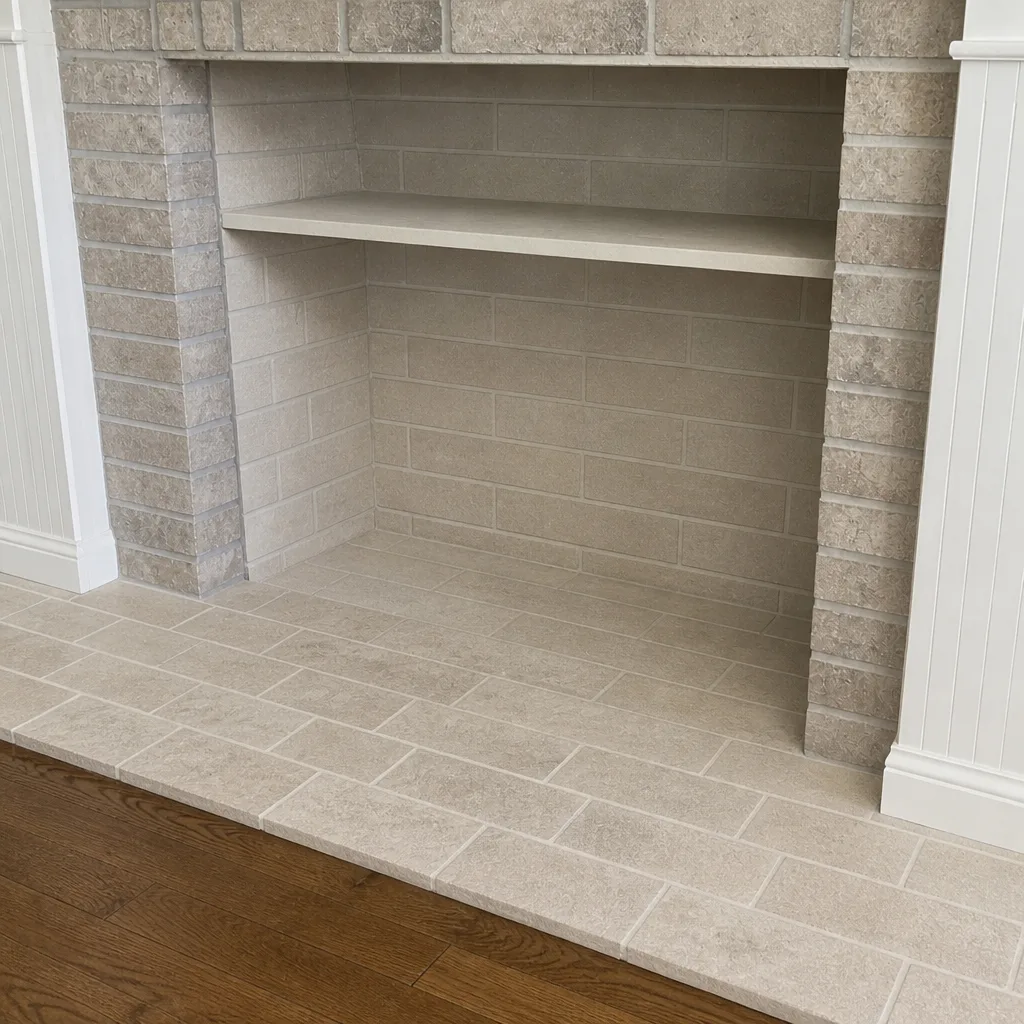
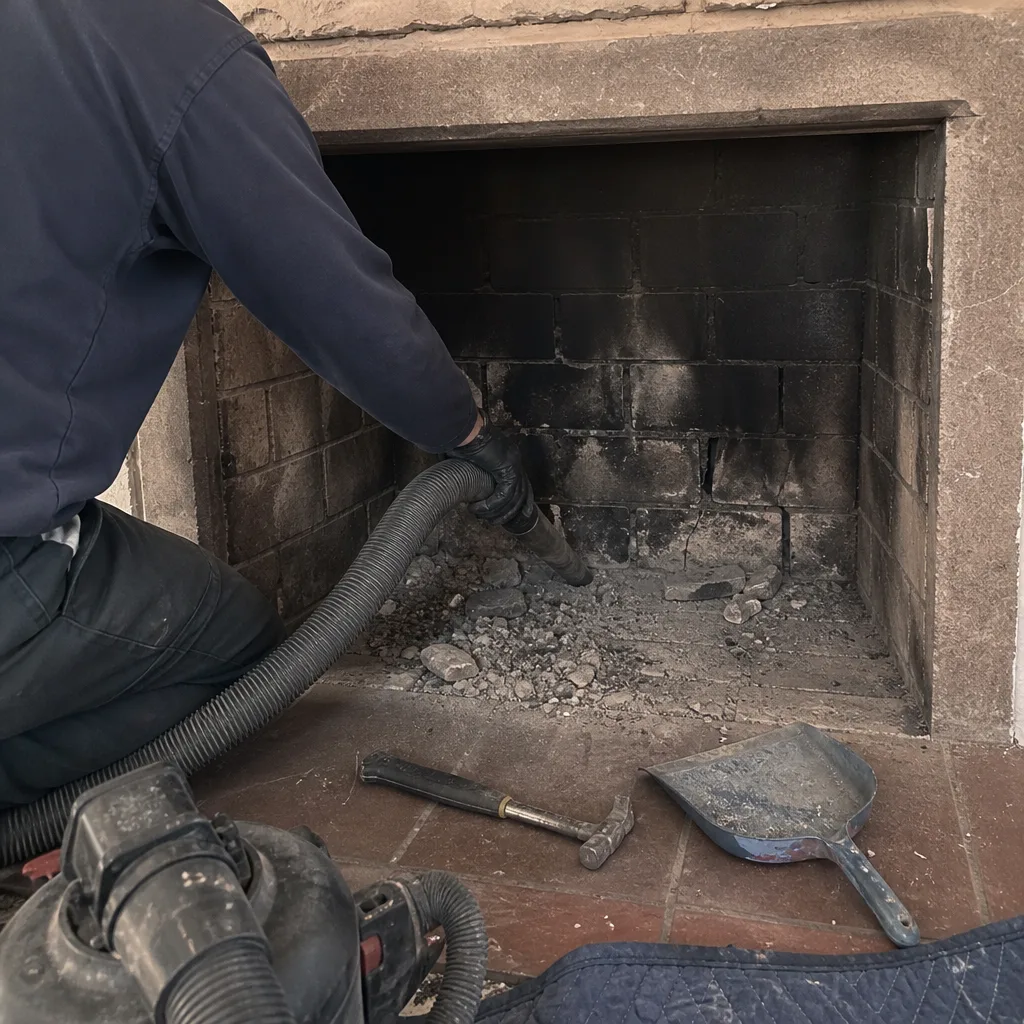
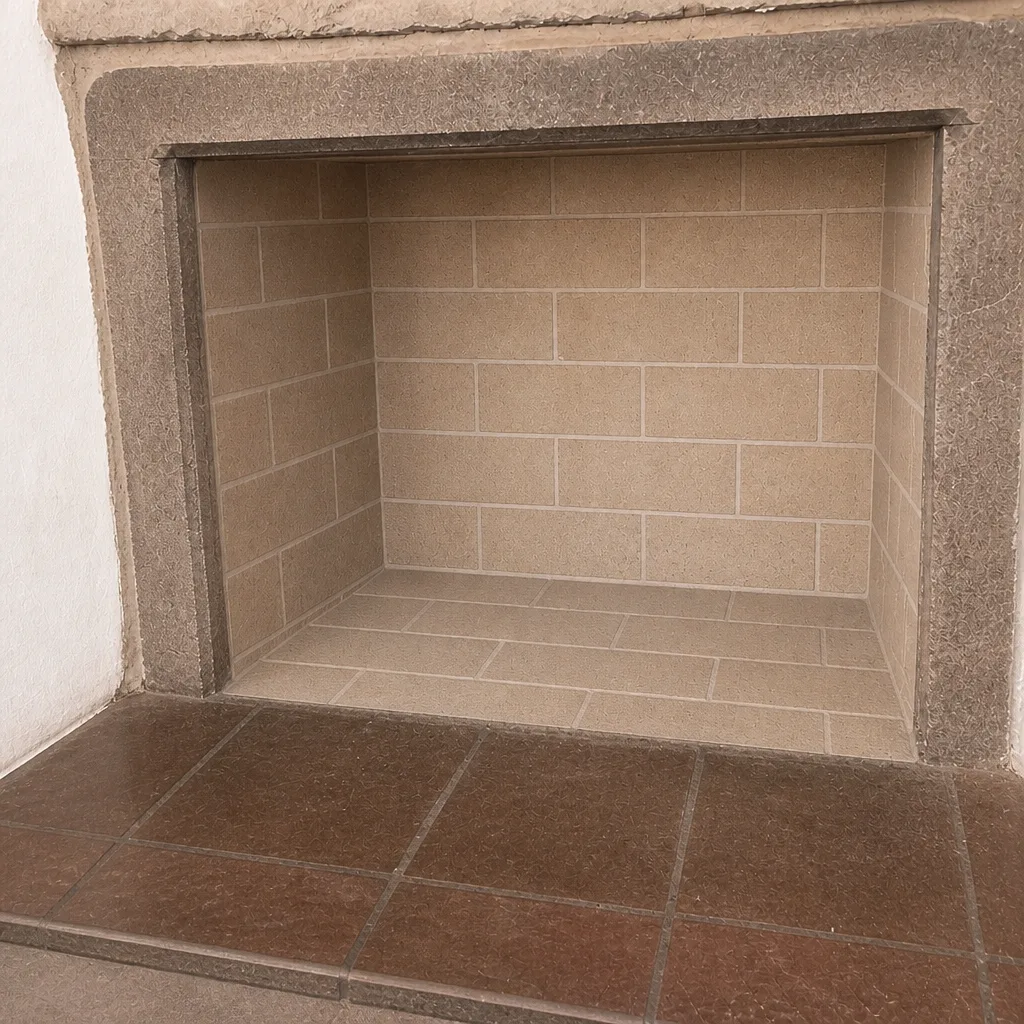
See the difference
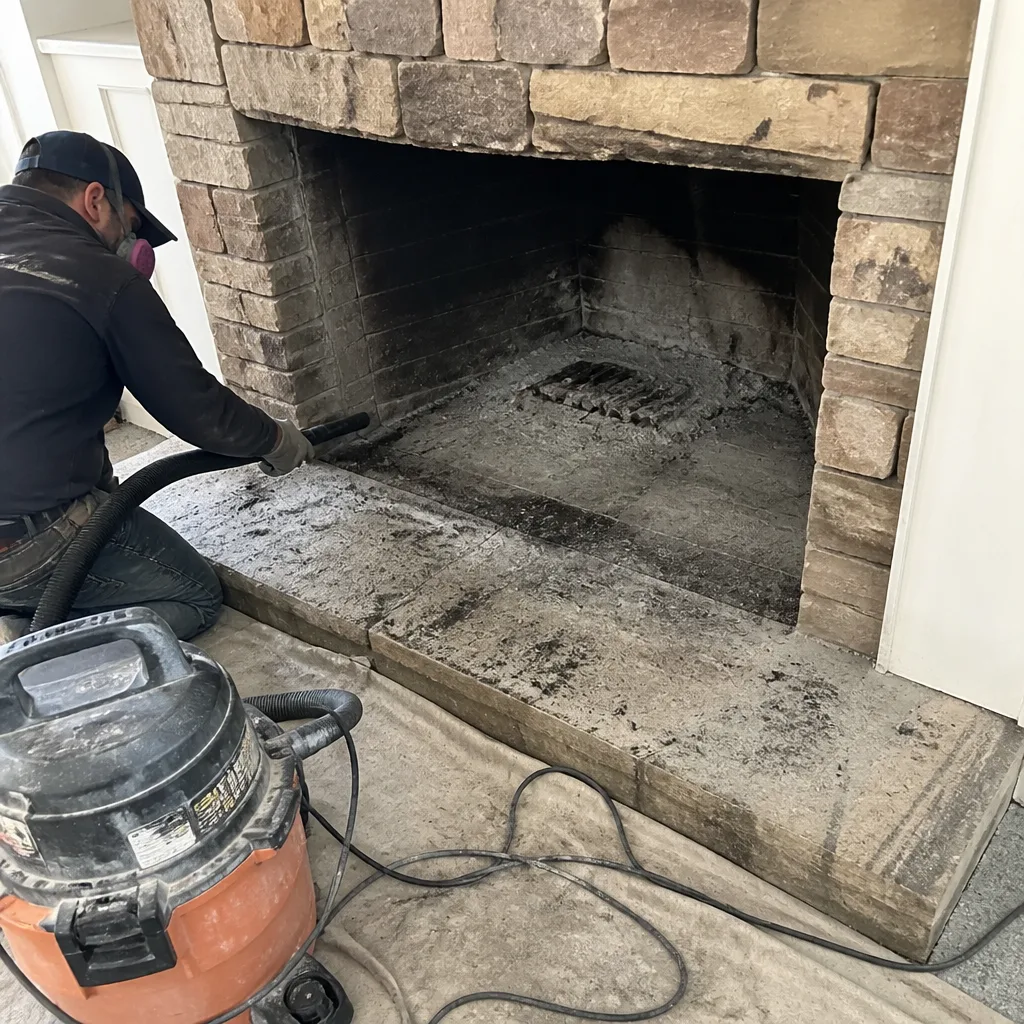 Before
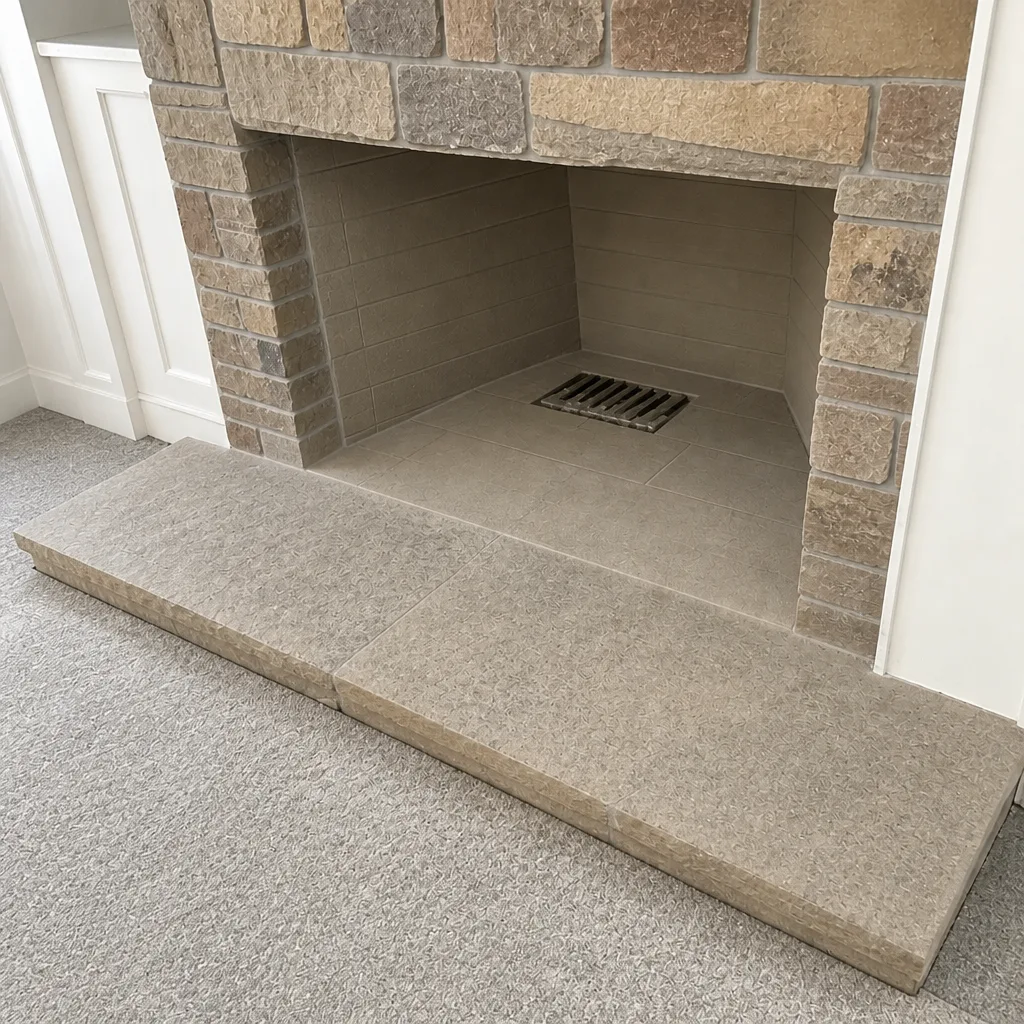 After
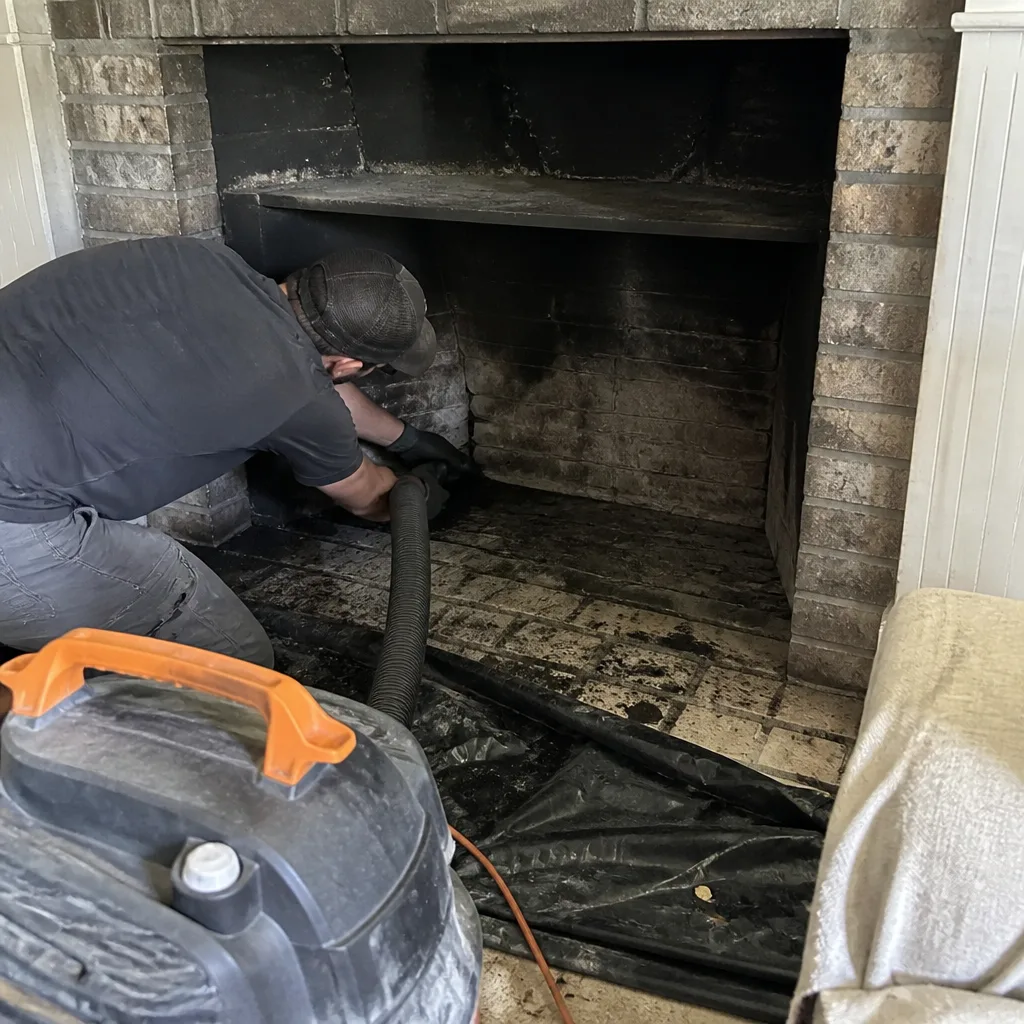 Before
 After
 Before
 After
How to Verify Insurance Coverage for Chimney Work
Here’s a detail most homeowners miss: a general contractor’s liability policy doesn’t necessarily cover interior chimney work. Standard policies sometimes exclude work performed inside the home, or work on structures above a certain height, or both. A contractor can hand you a certificate of insurance that looks perfectly valid and still have no coverage for the part of the job that matters to you.
Verification steps:
- Ask for a certificate of insurance and confirm the policy is current.
- Ask directly whether the policy covers interior residential work, specifically chimney and flue work inside the home.
- Ask whether the company also carries workers’ compensation coverage. If a technician is injured in your home, you want that coverage in place.
- If the certificate is vague on the interior-work question, call the insurer’s number on the certificate and confirm. It takes five minutes and settles the question.
In our experience in SouthPark, the contractors who volunteer this information without being asked are the ones whose coverage is actually in place. Hesitation or deflection on insurance questions is worth treating as a serious warning sign.
Debris Containment and Soot Cleanup: The Questions Most Homeowners Forget
A chimney sweep done properly produces very little visible dust in the home. A sweep done carelessly leaves a fine layer of soot on furniture, drapes, and floors that you won’t notice until weeks later. The difference is entirely in the setup, and the setup is something you can ask about before the work begins.
Questions worth asking every contractor you interview:
- Do you seal the firebox opening before sweeping? A proper setup uses a containment seal around the firebox, a drop cloth on the hearth, and a HEPA vacuum running throughout the job.
- Do you wear shoe covers or set up a protected path to the work area?
- What’s your cleanup routine at the end of the job? The answer should include vacuuming the hearth, wiping down surfaces, and a walk-through with you to confirm the area is clean.
- What happens if soot does escape into the room? A professional will own the cleanup, not leave you to deal with it.
- Do you remove the debris from the property, or leave it with the homeowner? A complete sweep includes disposal.
These questions feel small until something goes wrong. A technician who can describe the containment setup in specific terms has thought about it; one who says “we’re careful” almost certainly hasn’t. For SouthPark homeowners with light-colored upholstery or open floor plans, this matters a great deal.
Common Mistakes to Avoid
- Hiring on price alone. Chimney sweeping done cheaply is almost always done incompletely. The $99 sweep that skips the camera inspection, skips the smoke chamber, and skips the cap check isn’t a bargain; it’s a partial service with a full-service price tag on a different invoice.
- Assuming a state license exists. North Carolina doesn’t require one for chimney sweeping, so a homeowners’ expectation of a license check is exactly the gap bad operators exploit. Ask for certification instead.
- Accepting an inspection report with no photos. In SouthPark, where a lot of fireplaces have been burning for decades, a report that says “liner shows wear” without showing you the liner is unverifiable. Ask for the photo or video.
- Approving a liner replacement on the same day it’s recommended. Take the report home, review the photos, and get a written quote. A recommendation you can’t verify is a recommendation you shouldn’t act on without a second look.
- Skipping the debris containment questions. The cleanup details matter more than homeowners realize until they don’t. Ask before the visit, not after.
- Not checking whether the insurance actually covers interior work. A certificate of insurance is not the same as coverage for work inside your home. Verify the specifics.
- Scheduling the sweep before the inspection. The sequence is inspect first, sweep second, repair third. A contractor who wants to sweep without inspecting is working in the wrong order.
When to Call a Professional
Some chimney situations clearly warrant a professional visit rather than a wait-and-see approach. If you’re seeing smoke backing into the room during a burn, hearing a persistent draft when no fire is lit, noticing creosote buildup that’s thick or glazed on the firebox walls, or seeing cracked or crumbling masonry on the exterior, it’s time for an inspection. The same goes for a chimney cap that’s missing, damaged, or loose, since a missing cap lets water, debris, and animals into the flue. Annual sweeping is the baseline recommendation for any active fireplace, and if you’ve moved into a SouthPark home where the previous owner’s sweeping history is unknown, starting with an inspection is the right first move. Structural signs like a leaning chimney, a damaged crown, or rust on the firebox or damper also warrant a look. Chimney Sweep SouthPark offers free estimates in SouthPark: call (855) 425-6201. We answer 24/7. Fast dispatch from 7am to 7pm, Sunday through Friday.
Frequently Asked Questions
A routine chimney sweep in SouthPark typically runs in the range of a couple hundred dollars, with the final price set by a written estimate after an inspection. The sweep itself is billed separately from any repair work, and a proper estimate itemizes each line: sweeping, inspection, camera report, and any cap, crown, or repair work. We provide a flat written estimate before booking, so you know the cost before anyone arrives. Call (855) 425-6201 for an exact quote; estimates are free.
Not always, and that’s why the evidence matters. A liner replacement is the right call when the existing liner is cracked, deteriorated, or no longer suited to the appliance venting into it. HeatShield liner restoration is an alternative for some liner conditions and doesn’t require full replacement. The only way to know which applies is a camera inspection you can see for yourself. Nothing should be recommended without photographic evidence, and if the liner is sound, we’ll tell you so and note it for a future check. If work can safely wait until next season, we’ll say that too. Call (855) 425-6201 for an exact quote; estimates are free.
Once a year for a fireplace in regular use is the standard recommendation, and the CSIA recommends annual inspection for any chimney regardless of use. If you burn wood frequently, the annual sweep becomes more important, and if you’ve moved into a SouthPark home with an unknown maintenance history, an inspection first is the right move. A camera inspection tells you what condition the flue is actually in, and that determines whether a sweep, a repair, or nothing at all is the next step. Call (855) 425-6201 for an exact quote; estimates are free.
Skipping maintenance allows creosote to accumulate inside the flue, and creosote is the fuel source for most chimney fires. How much risk builds up depends on how much you burn and how the fireplace vents, which is why inspection rather than guesswork is the answer. Carbon monoxide risk also rises if a flue is blocked or damaged, since the venting system is what keeps combustion gases out of the living space. None of this is a reason to panic; it’s a reason to have the system checked. Call (855) 425-6201 for an exact quote; estimates are free.
Some work can be same-day, and some can’t. A sweep and inspection are typically completed in a single visit. Liner work and major repairs usually need a scheduled second visit because the materials have to be matched to the chimney, and rushing the job is how corners get cut. We answer 24/7. A call outside dispatch hours is booked into the next opening, Sunday through Friday, 7am to 7pm. Fast dispatch from 7am to 7pm, Sunday through Friday. Call (855) 425-6201 for an exact quote; estimates are free.
Ask for CSIA Certified Chimney Sweep status and, if you have an insert or a wood stove, NFI credentials as well. Both are voluntary certifications, which is exactly why they’re meaningful: the technician chose to be tested in a trade the state doesn’t license. Ask for the certification number and verify it through the CSIA directory. For any HeatShield liner restoration work, ask specifically about training in that proprietary system. Call (855) 425-6201 for an exact quote; estimates are free.
The Bottom Line
Hiring a chimney contractor in SouthPark comes down to a few firm principles: verify credentials by name and number, insist on a camera inspection you can see, get the scope and the estimate in writing before anyone starts, and confirm the insurance actually covers interior work. Treat same-visit liner replacement pitches as the warning sign they are. A proper inspection report with photos gives you what you need to make a decision without pressure, and a sound chimney should get a clean report, not a sales presentation. We’ve built our SouthPark service around that sequence: inspect before we sweep, repair before you light, and show the evidence before we recommend anything. From the crown to the firebox, one specialist can handle every layer.
If you’d like that inspection done by a team that works with professional-grade products from HeatShield, DuraFlex, Famco, Gelco, Olympia Chimney, and Copperfield, and that will put the scope in writing before booking, we can help. Our technicians have up to 8 years of experience, and every estimate is free. Call (855) 425-6201. We answer 24/7. Fast dispatch from 7am to 7pm, Sunday through Friday.
For a closer look at our Chimney Sweep SouthPark services, our chimney sweep, fireplace repair, and chimney cap & crown work, reach out and we’ll walk you through the process.
Written by the team at Chimney Sweep SouthPark.