
Last updated November 22, 2026
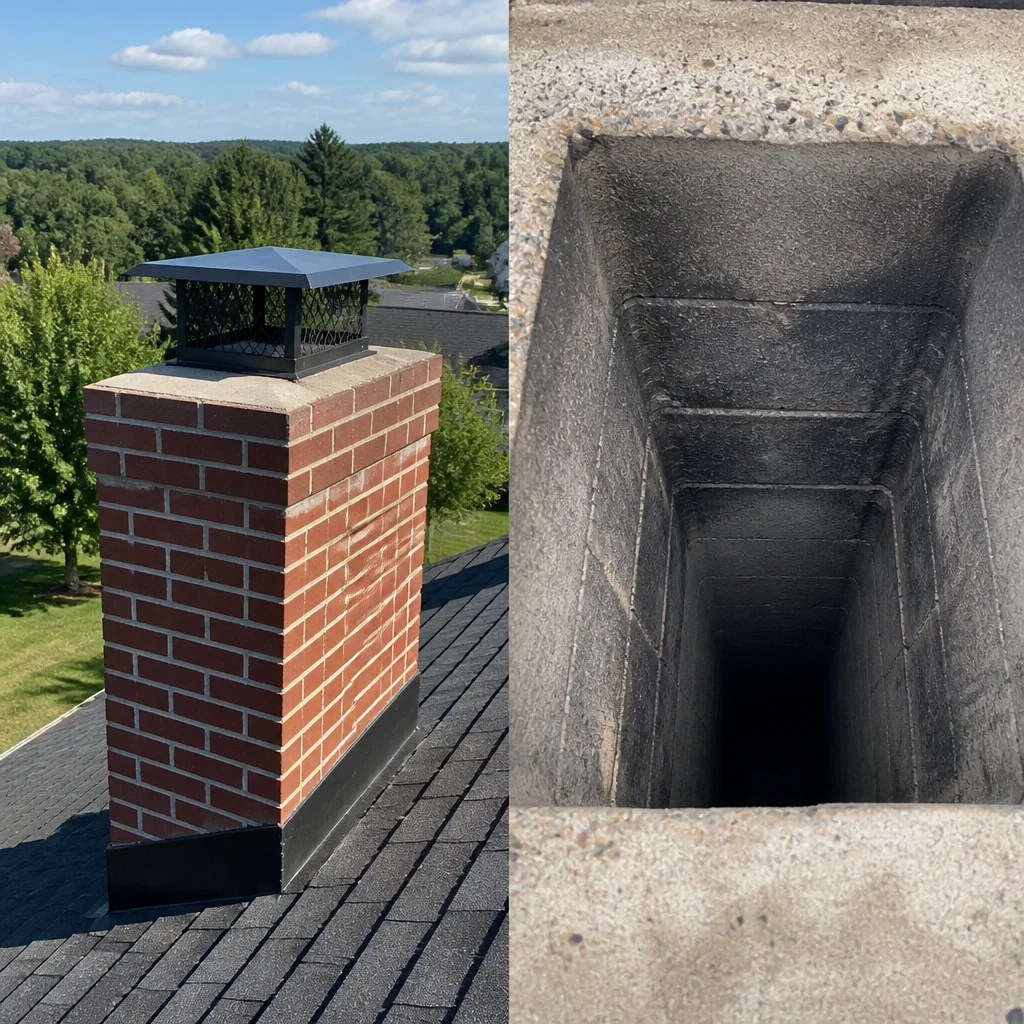 Sweep & inspection
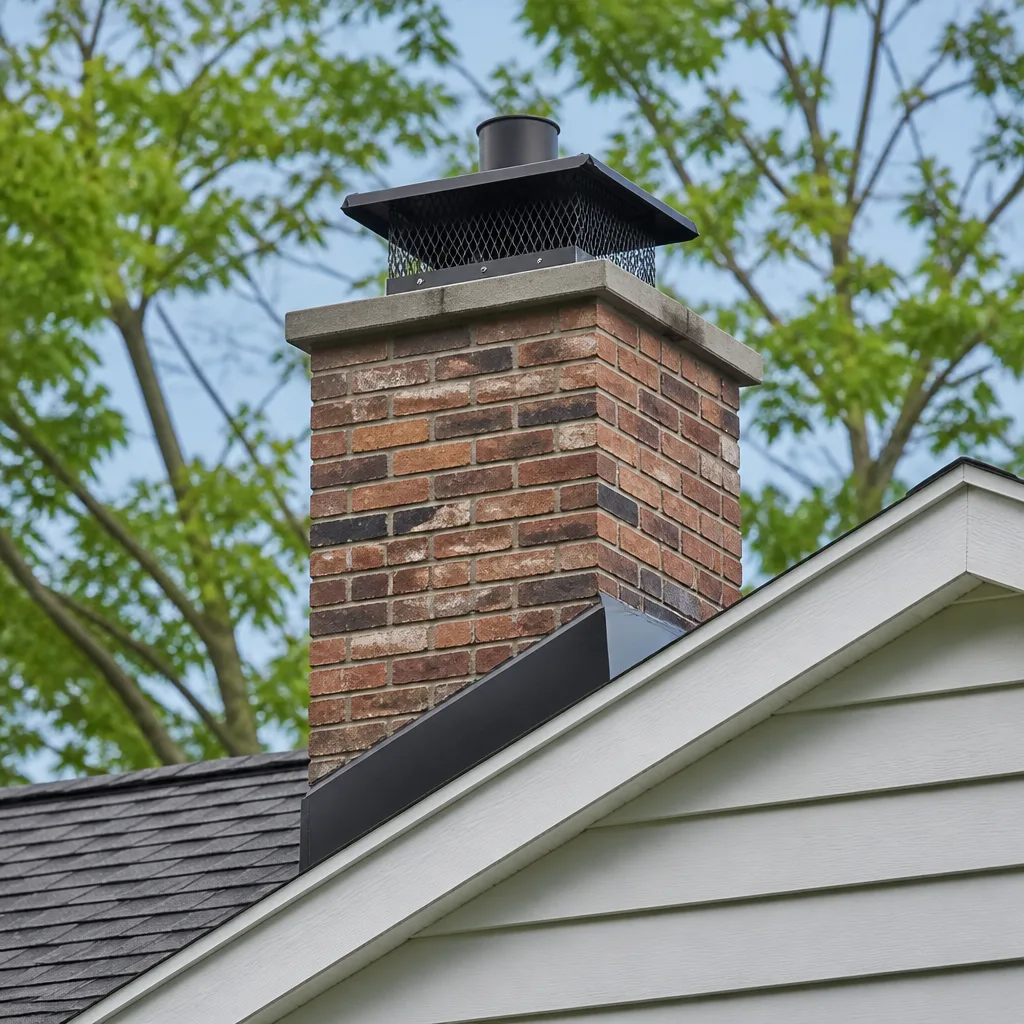 Caps & crowns
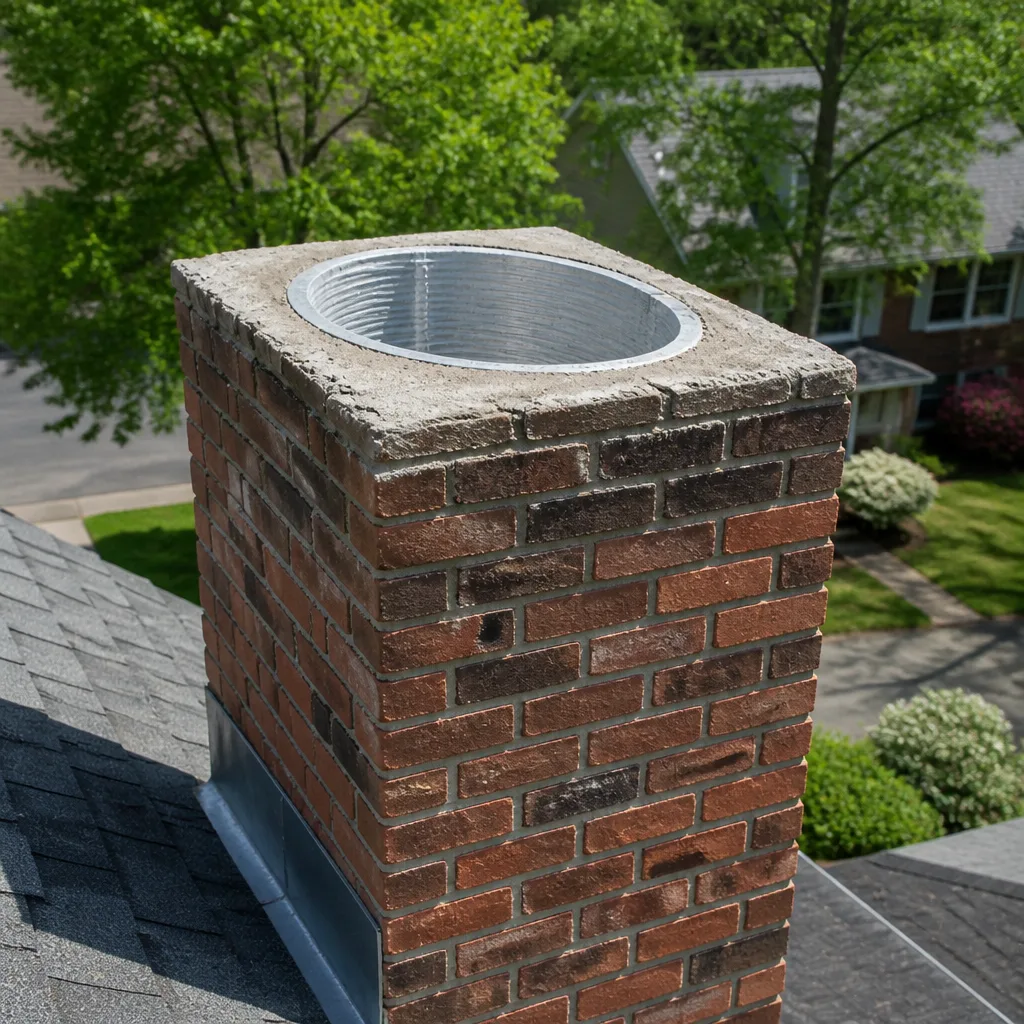 Flue relining
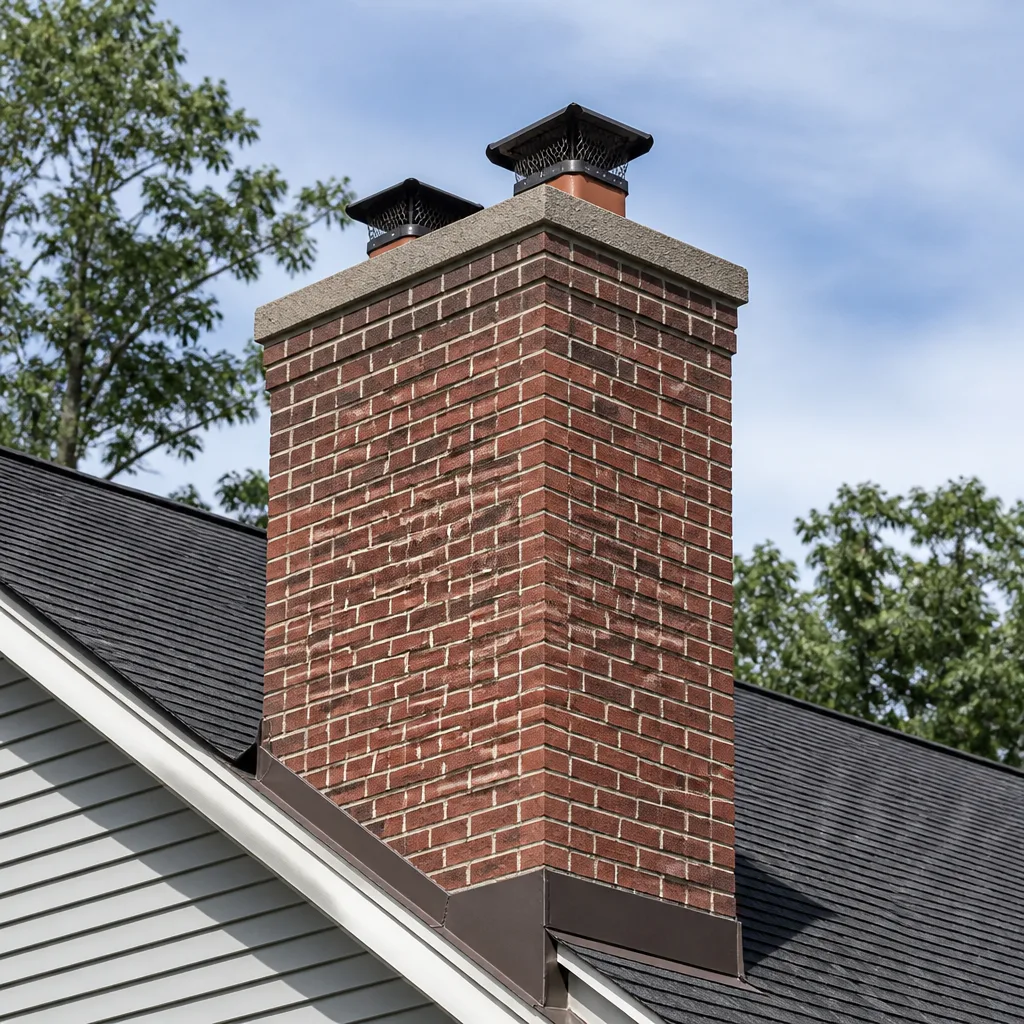 Masonry repair
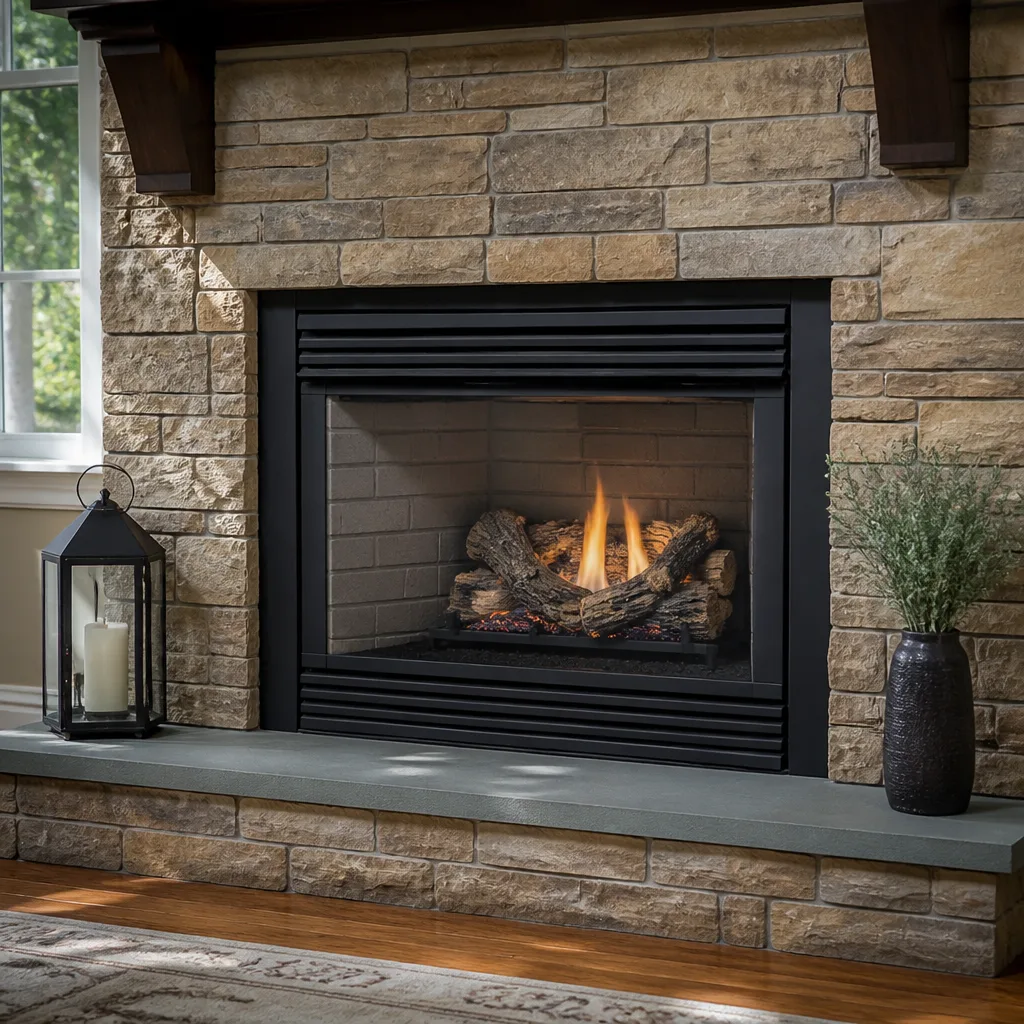 Gas fireplace service
Level 1 sweep and inspection to the NFPA 211 annual standard - flue, crown, cap, and flashing checked and photographed
Chimney sweep logs do not sweep chimneys. They loosen some creosote - which then falls where a brush and vacuum still have to collect it.
Seasonal Chimney Cleaning Care for SouthPark: Year-Round Homeowner’s Guide
Most chimney advice tells you to book a sweep in the fall, right before heating season. In SouthPark, that’s only half the story. Our warm, humid springs and mild, damp winters mean the damage that builds up between heating seasons – moisture working into clay tile, animals nesting in the flue, masonry spalling after a wet summer – often outweighs a single winter’s worth of creosote. This guide walks through a year-round schedule built for SouthPark’s climate, from what humidity does to your liner to why gas fireplace owners here shouldn’t skip sweeps. You’ll learn when to inspect, when to sweep, and how to time service so you’re not stuck in the December backlog.
Quick Answer
The best seasonal chimney schedule for SouthPark is a post-summer inspection in late summer or early fall, a sweep before you start regular fires in October or November, and a quick visual check each spring when you stop burning. That timing catches moisture and nesting damage from the humid season before it compounds, and it gets you ahead of the pre-holiday rush. One inspection a year, timed to SouthPark’s climate, does more for your chimney than any single fall cleaning.
Styles & brands we work with
- Sweep & inspection
- Caps & crowns
- Flue relining
- Masonry repair
- Gas fireplace service
Table of Contents
- Why SouthPark’s Climate Changes the Standard Schedule
- What Humidity Does to Clay Tile Liners Over a SouthPark Summer
- Chimney Swifts, Carolina Wrens, and Your Nesting Timeline
- Why Gas Fireplace Owners in SouthPark Skip Sweeps (and Shouldn’t)
- Using the First Fires of the Season as a Diagnostic
- Pre-Holiday Demand and How to Beat the December Backlog
- The Four-Season Care Calendar for SouthPark Homes
- When to Call a Professional
Why SouthPark’s Climate Changes the Standard Schedule
SouthPark sits in a part of North Carolina where the seasons do your chimney no favors if you follow a one-size-fits-all calendar. Spring arrives warm and humid, and that moisture sits against masonry and clay tile for months. Winter is mild enough that many homes burn intermittently rather than steadily, which means creosote builds up in thin, uneven layers that can be harder to sweep clean than the heavy deposits of a colder climate. And the shoulder seasons – those long stretches of warm days and cool nights – get people lighting fires on and off in ways that a strict fall schedule doesn’t anticipate.
The conventional advice to sweep once a year in fall isn’t wrong. It’s just incomplete for SouthPark. The climate here creates a second window of risk: the humid summer, when your chimney sits idle and moisture has time to work its way into the system without any fire to dry it out.
Here’s what that means in practice:
- Moisture sits longer. A humid SouthPark summer keeps masonry damp, and damp masonry is where spalling and liner cracking begin.
- Creosote forms unevenly. Intermittent burning in a mild winter can leave glazed, patchy deposits rather than a uniform layer.
- The idle season matters. From spring through early fall, your chimney is a quiet space that animals and moisture both find appealing.
- Shoulder-season fires are sneaky. A cool evening in April or October gets the fireplace lit, and that fire deposits creosote you won’t think about until fall.
We’ve seen enough SouthPark homes to know the pattern holds whether you’re near Piedmont Row, in the neighborhoods around Quail Hollow, or anywhere in between. The schedule that protects a chimney here has to account for the humid idle months, not just the burning ones.
What Humidity Does to Clay Tile Liners Over a SouthPark Summer
Clay tile liners are porous by nature. Over a humid SouthPark summer, moisture from the air and from summer storms works into the clay and the mortar joints that hold the tiles together. When that moisture is trapped and the flue stays cool, it doesn’t simply dry out. It sets up a slow cycle: the tile absorbs water, the water expands and contracts with temperature swings, and the mortar around the joints begins to crack.
By the time fall arrives, the damage can be invisible from the firebox. A tile that looks fine at the bottom of the flue may have a hairline crack several feet up, or a joint that’s crumbled enough to let hot gases and creosote reach the surrounding masonry. That’s the part most homeowners miss. The liner is doing its job right up until it isn’t, and the failure happens where you can’t see it.
This is why a post-summer inspection is the highest-value appointment on the SouthPark calendar. An inspection done in late summer, before the burning season starts, catches moisture damage while it’s still a repair rather than a rebuild. It’s the difference between repointing a joint and replacing a run of liner.
What we look for on a humid-season inspection:
- Cracked or spalled tiles anywhere in the flue, not just at the firebox.
- Crumbling mortar joints between tiles, especially in the upper sections where moisture collects.
- Efflorescence – the white, powdery staining that tells you moisture has been moving through the masonry.
- Rust on the damper or firebox components, a sign of sustained damp.
When a liner does need attention, restoration is often the better answer than replacement. HeatShield liner restoration is a specialized process most generalists can’t perform, and it lets us rebuild a deteriorated flue from the inside without tearing into the chimney structure. But the whole point of the late-summer inspection is to catch the problem early enough that restoration is still on the table.
Chimney Swifts, Carolina Wrens, and Your Nesting Timeline
If you’ve ever heard chirping coming from a chimney in early summer, you’ve met the reason your service calendar has a hard seasonal constraint. Chimney swifts arrive in this part of North Carolina in spring and nest through the warmer months, and Carolina wrens will happily use an open or uncapped flue too. Both are protected species, and both make a chimney unusable for burning and unsafe to sweep until the birds have moved on.
The nesting timeline matters because it dictates when you can schedule service without disrupting active nests. Chimney swifts typically nest from late spring into summer and are gone by early fall. Wrens may nest a bit earlier and can be gone a little sooner. The practical takeaway for a SouthPark homeowner is simple: the window between the birds leaving and the first cold snap is your best chance to sweep, and it’s a shorter window than most people realize.
- Spring through midsummer: nesting season. If you hear birds or see activity at the flue, wait it out. Don’t light fires and don’t try to sweep.
- Late summer into early fall: the birds have moved on. This is your inspection window, and it’s also when nesting debris is cleared.
- October into November: sweep before regular burning begins, now that the flue is clear of both birds and debris.
- Every season, going forward: a properly fitted cap keeps birds out entirely, so nesting never becomes a scheduling problem again.
A cap is the fix that prevents the whole cycle. When we install a cap, we use professional-grade components – Gelco and Famco make vent and cap parts that aren’t typically available through retail channels, which matters for fit and durability. The chimney cap & crown work we do is the layer of your system that keeps animals, rain, and debris out between sweeps. It’s not glamorous, but in a climate where nesting and moisture are the two biggest off-season threats, it’s the cheapest protection you can buy.
Why Gas Fireplace Owners in SouthPark Skip Sweeps (and Shouldn’t)
It’s a common assumption that a gas fireplace doesn’t need a chimney sweep. After all, there’s no wood, no soot, no creosote – so why schedule the appointment? The logic sounds reasonable, and in SouthPark’s mild climate it’s especially tempting, because many gas fireplace owners burn a few times a month at most and figure the flue stays clean.
The reasoning breaks down for a few reasons. Gas fireplaces still produce exhaust, and over time that exhaust leaves a film on the flue and the components. More importantly, a gas appliance that isn’t venting correctly is a carbon monoxide concern, and the only way to know it’s venting correctly is to have the system inspected. A gas fireplace that’s never been looked at since installation is a gas fireplace nobody has verified.
There’s also the moisture factor. A gas fireplace in a mild climate like SouthPark often sits unused for months, and an unused flue is exactly the kind of cool, humid space where masonry problems develop. The gas fireplace gets skipped precisely because it feels like it doesn’t need attention, and that’s when problems grow quietly.
What a gas fireplace actually needs:
- A yearly inspection of the venting and the flue, even if no sweeping is required.
- Termination and cap checks to make sure exhaust is exiting where it should.
- An annual look at the firebox and components for signs of corrosion or moisture.
Sweeping a gas fireplace and sweeping a wood-burning one aren’t the same job, and we’ll tell you honestly when your gas setup needs a full sweep versus just an inspection. But skipping both for years at a time is a decision that trades a small amount of convenience for a real safety gap.
Using the First Fires of the Season as a Diagnostic
The first few fires of the season are your best free diagnostic tool, and most SouthPark homeowners don’t think of them that way. Before you call anyone, light a small fire and pay attention. Your chimney tells you a lot in those first hours if you know what to watch for.
- Watch how the smoke behaves. A fire that struggles to draw, with smoke spilling into the room, points to a blockage, a draft problem, or a flue that’s overdue for a sweep.
- Listen. Popping, crackling that’s louder than the wood, or a rumbling sound can indicate creosote that has built up enough to burn.
- Smell the room. A strong, lingering smoky odor that doesn’t clear when the fire gets going can mean a draft issue or a flue that isn’t venting properly.
- Feel for heat where there shouldn’t be any. Warmth on the chimney breast or around the firebox surround is worth a professional look.
- Watch for moisture. Damp patches around the chimney or stains on the ceiling near it are signs to call now, not later.
None of this replaces a proper inspection, and none of it means you should try to diagnose or fix the inside of a flue yourself. A chimney is a safety-critical system, and the components that fail – the liner, the flue, the crown – are the ones you can’t see. What these first fires do is tell you whether you can wait for your scheduled October appointment or whether you should book sooner.
In our experience, a fire that draws poorly in early fall is usually telling you something that started over the humid summer. Catching it at the first fire means the fix happens before the holidays, not after.
Pre-Holiday Demand and How to Beat the December Backlog
Everyone in SouthPark wants their chimney ready for the holidays, and that desire has a predictable effect on the calendar. The last two weeks of November and all of December are the busiest stretch of the year for any chimney professional, and the appointments go to the people who booked earliest. If you wait until you’re hosting to think about your chimney, you’re likely to be told there’s no opening before your guests arrive.
The solution is timing. Book your chimney sweep in October, before the pre-holiday wave. October in SouthPark is usually cool enough that you’ve started lighting occasional fires but warm enough that you’re not depending on the fireplace for heat. It’s the sweet spot: the summer humidity has passed, the birds have gone, and the calendar is still open. A sweep and inspection in October means your chimney is ready for the holiday season, and you’re not competing with everyone who waited.
It also gives you room to fix what the inspection finds. If your inspection turns up a crown that needs repair or a cap that’s missing, an October appointment leaves time to schedule the fireplace repair or cap work before the holidays. A December appointment leaves no buffer at all.
If you do find yourself in November with an unreserved chimney, call anyway. A cancellation opens up, and we’d rather get you on the schedule than have you skip a year. But the homeowners who plan around October are the ones who never have to worry about it.
The Four-Season Care Calendar for SouthPark Homes
Here’s the year-round schedule we recommend for SouthPark, distilled into what to do when. It’s built around this climate’s specific risks: humid summers, mild winters, and a short fall window between nesting season and the holidays.
- Spring (when you stop burning): Do a light visual check of the firebox and the chimney exterior. Look for staining, efflorescence, or loose masonry. Close the damper and make sure the cap is in place. This is also when you’d notice anything that shifted over the winter.
- Summer (the idle season): Leave the chimney alone – the birds are nesting. If you notice chirping or activity, wait it out. Confirm your cap is intact before the nesting season gets going; a cap installed now prevents most summer surprises.
- Late summer to early fall: Book your inspection. This is when you catch moisture damage from the humid season and clear any nesting debris. It’s the most important appointment on the calendar for a SouthPark home.
- October: Sweep and address any small repairs the inspection found. This is your buffer month, before demand spikes.
- November to December: Burn. Enjoy the fireplace. If you didn’t get ahead of the calendar, call and get on the list.
- Every season, without exception: Keep the cap and crown in good shape. That’s the protection layer that makes everything else easier.
This calendar works whether you’re in a SouthPark home with a masonry chimney and a wood-burning insert or one with a prefabricated system. The components differ, but the seasonal logic is the same: inspect before you sweep, repair before you light, and time the big appointments for the months when the calendar is open.
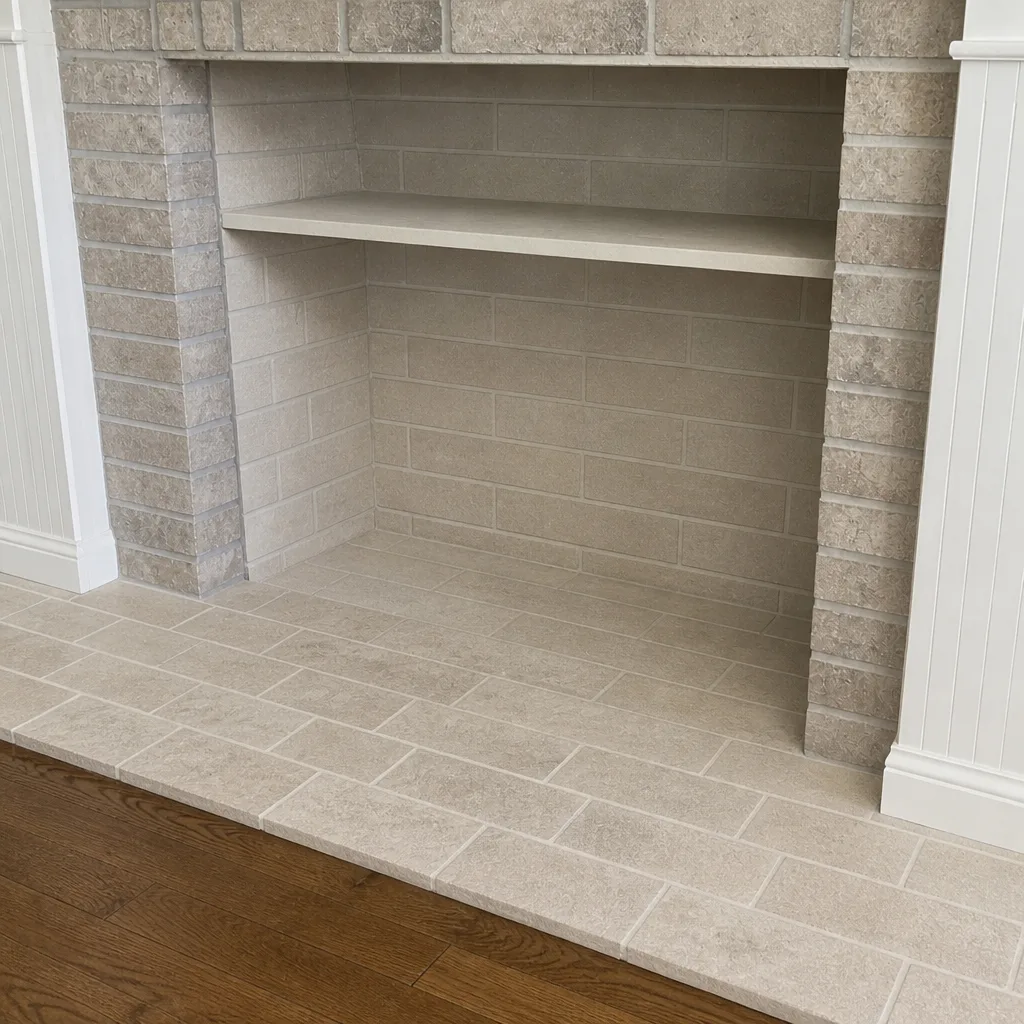
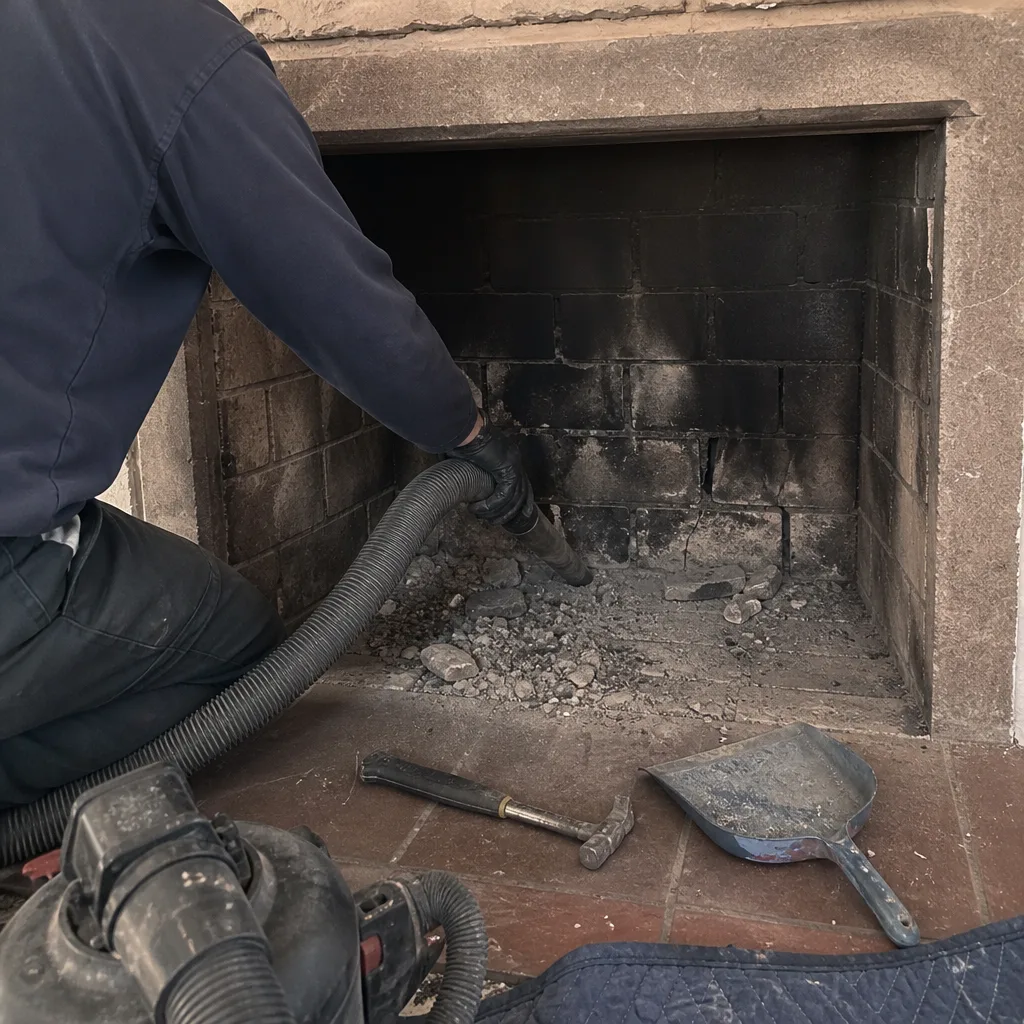
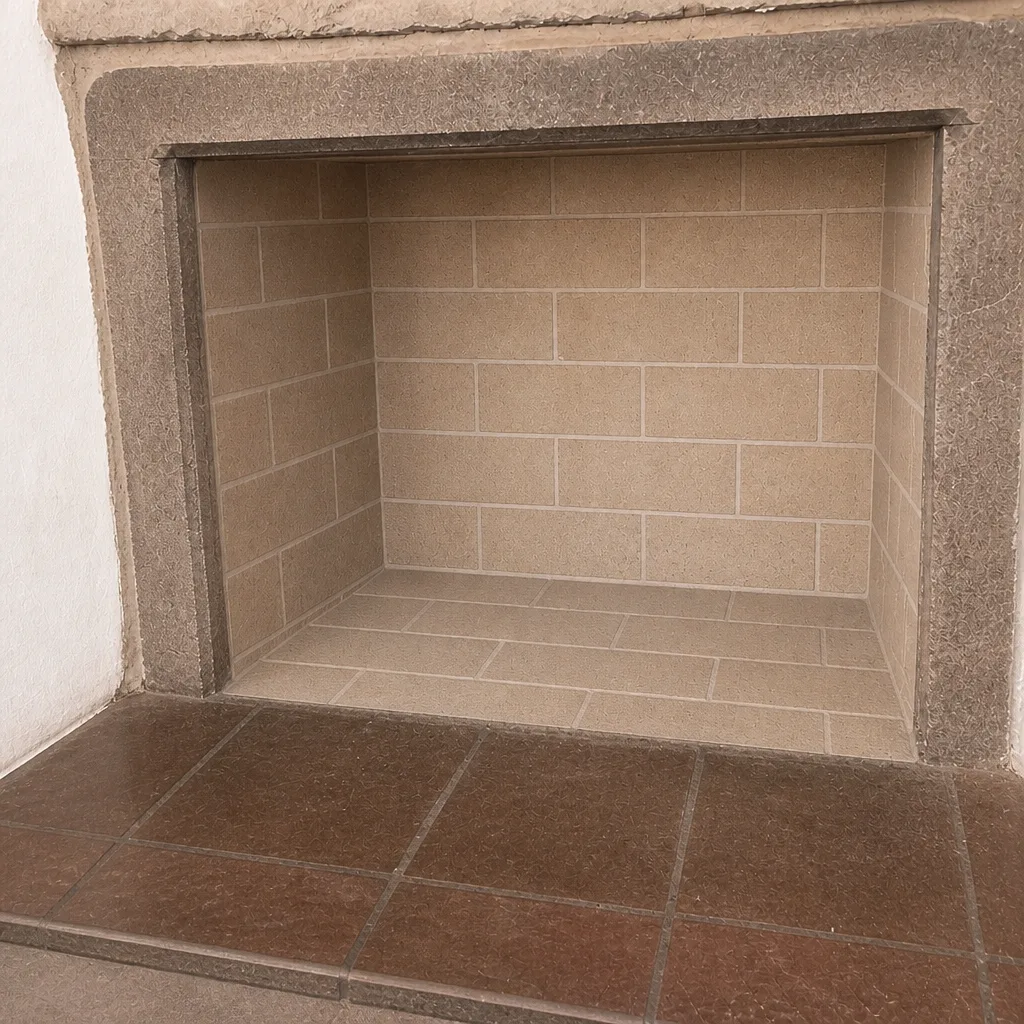
See the difference
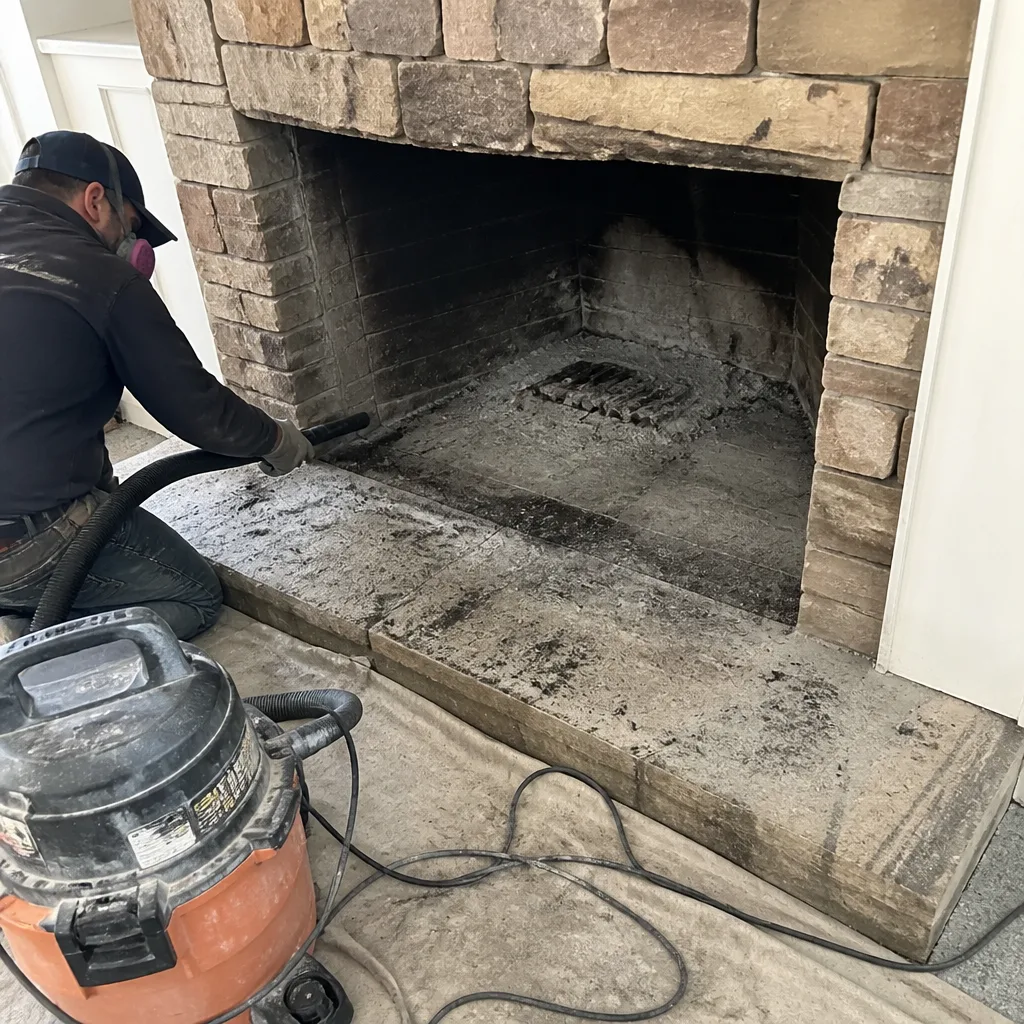 Before
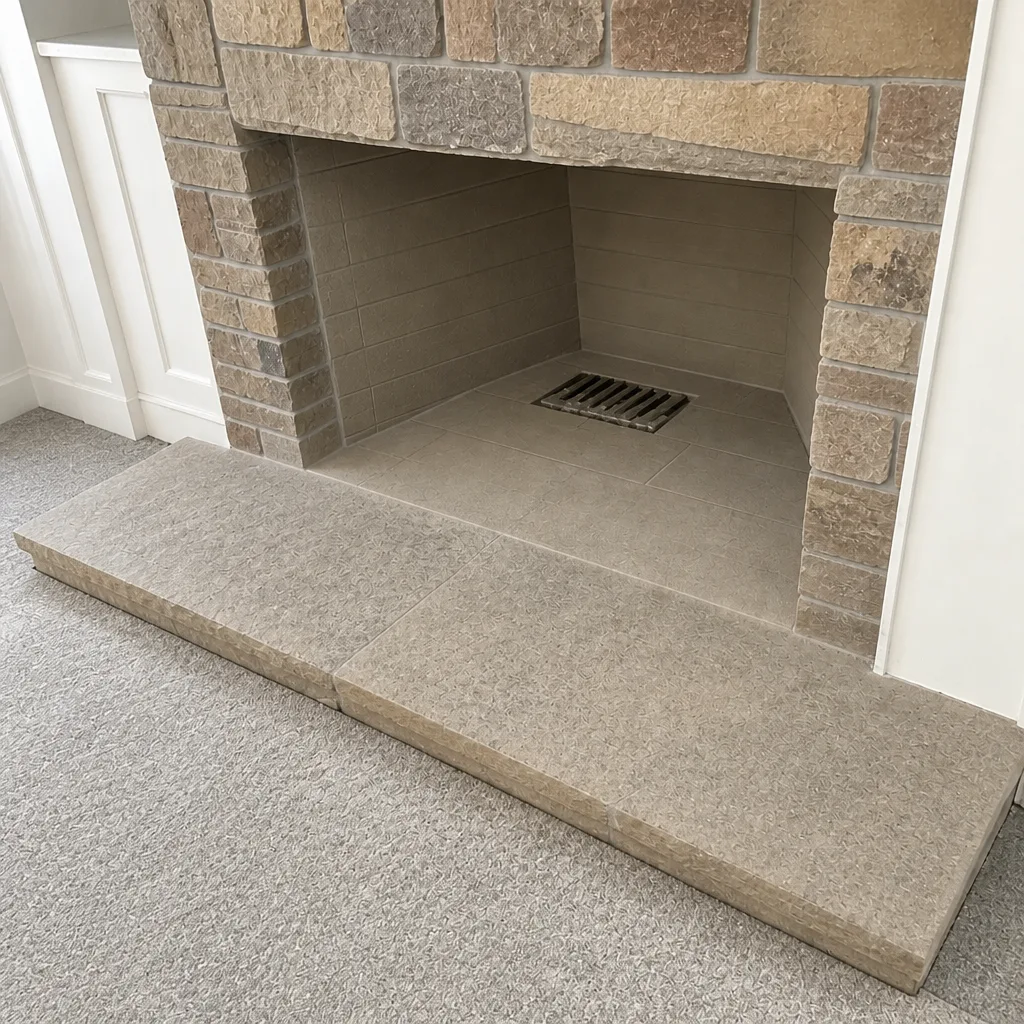 After
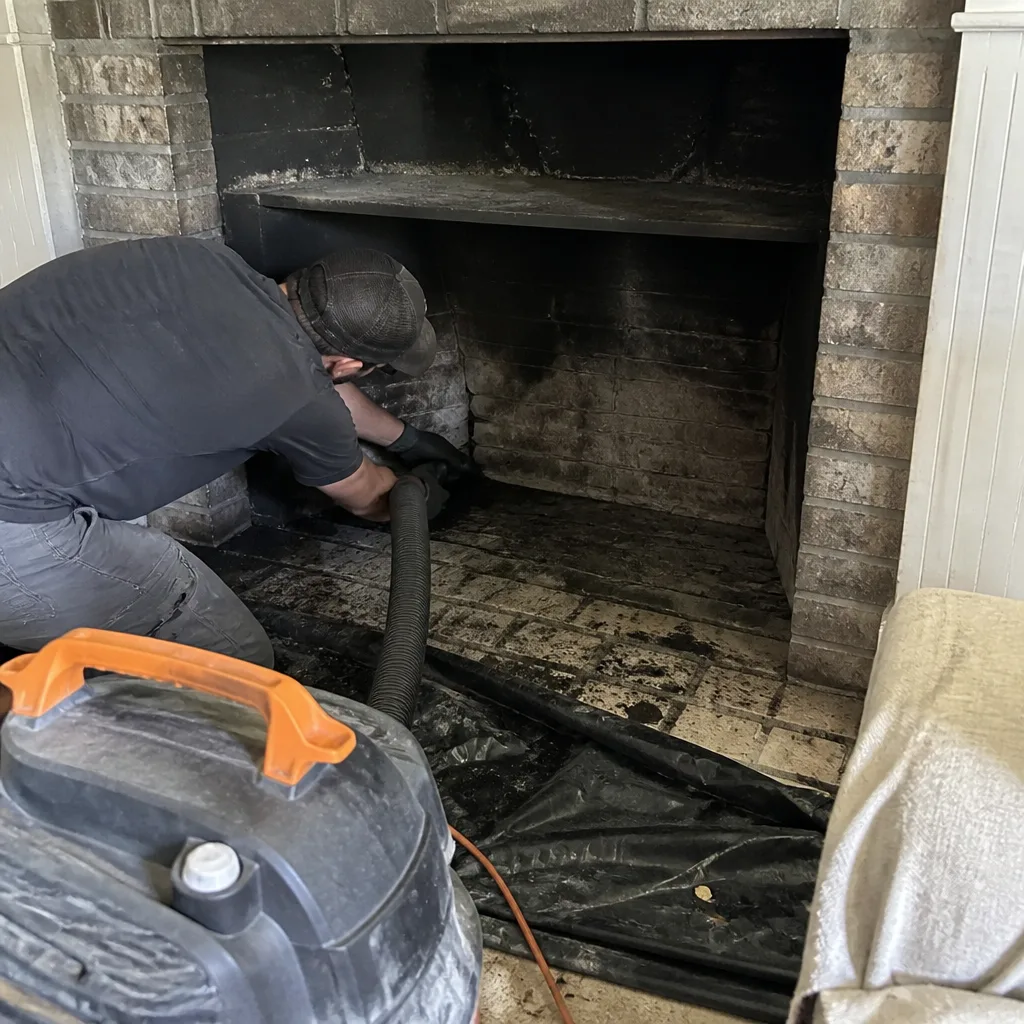 Before
 After
 Before
 After
Common Mistakes to Avoid
- Sweeping only in fall and never inspecting. A fall sweep cleans the flue, but it doesn’t tell you whether the liner cracked over the humid summer. Book the inspection first, then sweep – that’s the sequence that catches problems while they’re still small.
- Assuming a gas fireplace doesn’t need service. In SouthPark’s mild climate, gas fireplaces sit idle for months and get skipped for years. A yearly inspection verifies the venting and catches moisture issues a sweep alone won’t reveal.
- Sweeping during nesting season. Chimney swifts and Carolina wrens are protected, and an active nest makes the flue unsafe to sweep. Schedule around the nesting timeline instead of forcing an appointment.
- Skipping the cap because it “looks fine.” A missing or damaged cap is how birds, rain, and debris get in. The cheapest repair you can make is the one that prevents the most expensive problem.
- Waiting until the holidays to think about the chimney. The December backlog is real, and the appointments go to the homeowners who booked in October. A little planning beats a holiday scramble.
- Letting a small crack wait until next year. Moisture damage compounds. A joint that needs repointing this fall can turn into a liner replacement after another humid summer.
- Taking a cut-rate sweep that doesn’t inspect. A sweep without an inspection cleans the visible soot and misses the structural issues you can’t see. On a safety-critical system, the diagnostic step isn’t optional.
When to Call a Professional
Some chimney concerns can wait for your scheduled appointment. Others shouldn’t. Call us if you smell smoke in the room when the fireplace isn’t lit, if you see white staining or crumbling mortar on the chimney exterior, if a fire struggles to draw, or if you’ve noticed birds or debris in the flue during nesting season. Call immediately if you ever smell gas, if you have a carbon monoxide alarm go off, or if you see any sign of a chimney fire – a loud rumbling, a sudden bloom of heat, or smoke entering the room. Any of those is a reason to stop using the fireplace and get it looked at before the next fire.
The team at Chimney Sweep SouthPark offers free estimates in SouthPark – call (855) 425-6201. We answer 24/7. A call outside dispatch hours is booked into the next opening, Sunday through Friday, 7am to 7pm.
Frequently Asked Questions
Once a year is the baseline, but in SouthPark the timing matters as much as the frequency. We recommend an inspection in late summer or early fall to catch humid-season moisture and nesting damage, then a sweep in October before you start regular fires. If you burn often or use a wood-burning insert, you may need more frequent sweeps, and the inspection will tell you. Call (855) 425-6201 for an exact assessment – estimates are free.
Yes, and the reason is simple: a sweep cleans what you can reach, and an inspection finds what you can’t see. The liner, the flue, and the crown are the components that fail silently, and those are exactly what a sweep doesn’t evaluate. The CSIA recommends an inspection as the diagnostic foundation before any cleaning or repair. In SouthPark, a post-summer inspection is the single best protection against moisture damage compounding over the humid months. Call (855) 425-6201 to schedule one.
We’d recommend against it. A chimney is a safety-critical system, and the parts that most often fail – the liner, the flue, and the crown – aren’t visible from the firebox. A DIY sweep cleans the soot and leaves the structural issues in place, which is the opposite of what a homeowner needs. The bigger risk is missing a liner crack or a moisture-damaged joint that an inspection would catch. Call (855) 425-6201 for a professional inspection and estimate.
A gas fireplace may not need a full sweep, but it definitely needs an annual inspection. The exhaust from a gas appliance can coat the flue over time, and the venting needs to be verified for carbon monoxide safety. In SouthPark’s mild climate, a gas fireplace often sits unused for long stretches, and that idle time is when moisture problems develop. An inspection checks what a sweep doesn’t. Call (855) 425-6201 to book one.
The late November and December pre-holiday stretch is the busiest, because everyone wants the fireplace ready for guests at the same time. The way to avoid it is to book in October, when the calendar is still open and the schedule has room for repairs if the inspection finds something. If you’re reading this in November, call us anyway – cancellations open up, and a booking on the next opening beats skipping the year. Call (855) 425-6201.
In many cases, a damaged clay tile liner can be restored rather than replaced, and HeatShield liner restoration is the process that makes it possible. It rebuilds a deteriorated flue from the inside without tearing into the chimney, and it’s a specialized service most generalists can’t perform. Whether restoration is right for your chimney depends on the extent of the damage, which is exactly what an inspection determines. Call (855) 425-6201 for an estimate.
The Bottom Line
SouthPark’s climate asks more of a chimney schedule than the standard fall sweep. The humid springs and summers are when moisture and nesting damage build, and the short window between nesting season and the holidays is when the smart appointments get booked. Sweep in October, inspect in late summer, keep the cap and crown in good repair, and don’t skip a gas fireplace just because it doesn’t produce creosote. One specialist handling every layer of your chimney – from the Chimney Sweep SouthPark sweep to the liner restoration – means nothing falls between the cracks. For a free estimate in SouthPark, call (855) 425-6201. We answer 24/7. Fast dispatch from 7am to 7pm, Sunday through Friday.
Written by the team at Chimney Sweep SouthPark.