
Last updated November 22, 2026
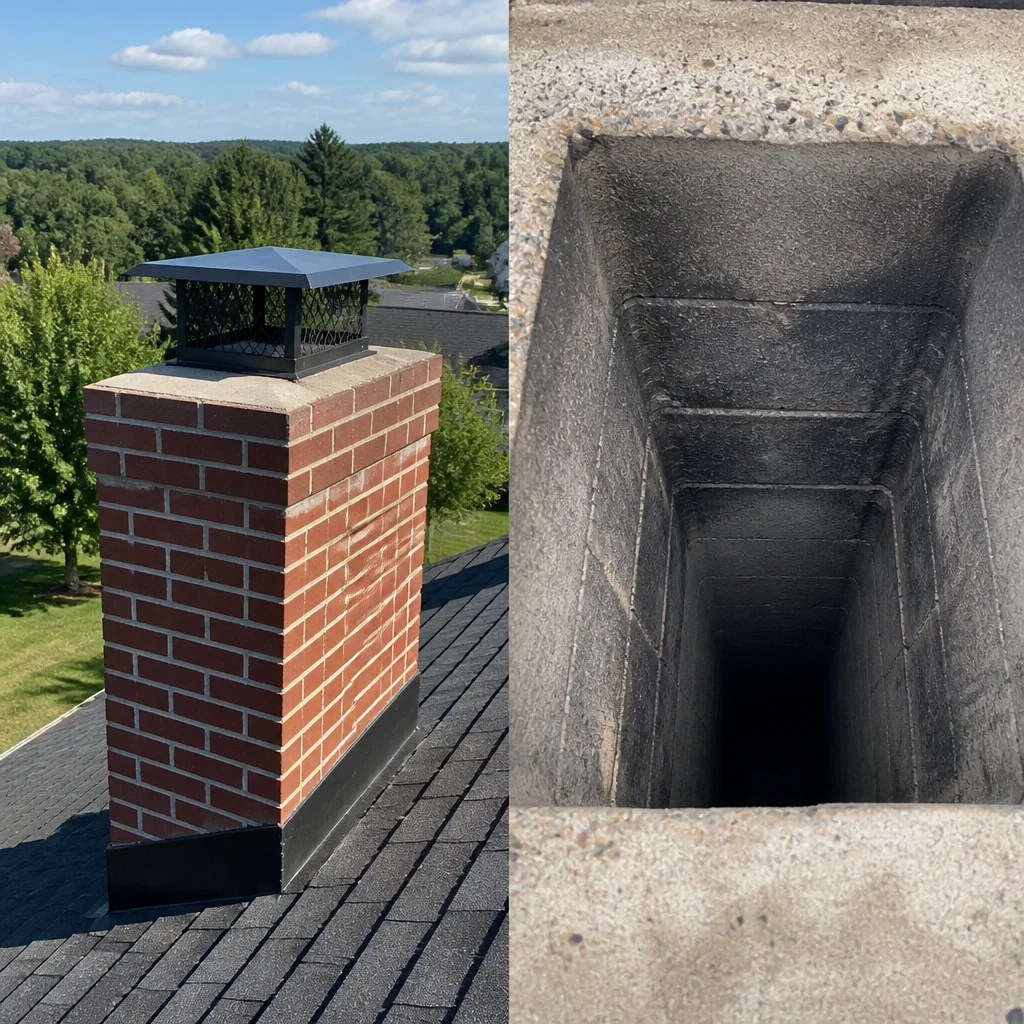 Sweep & inspection
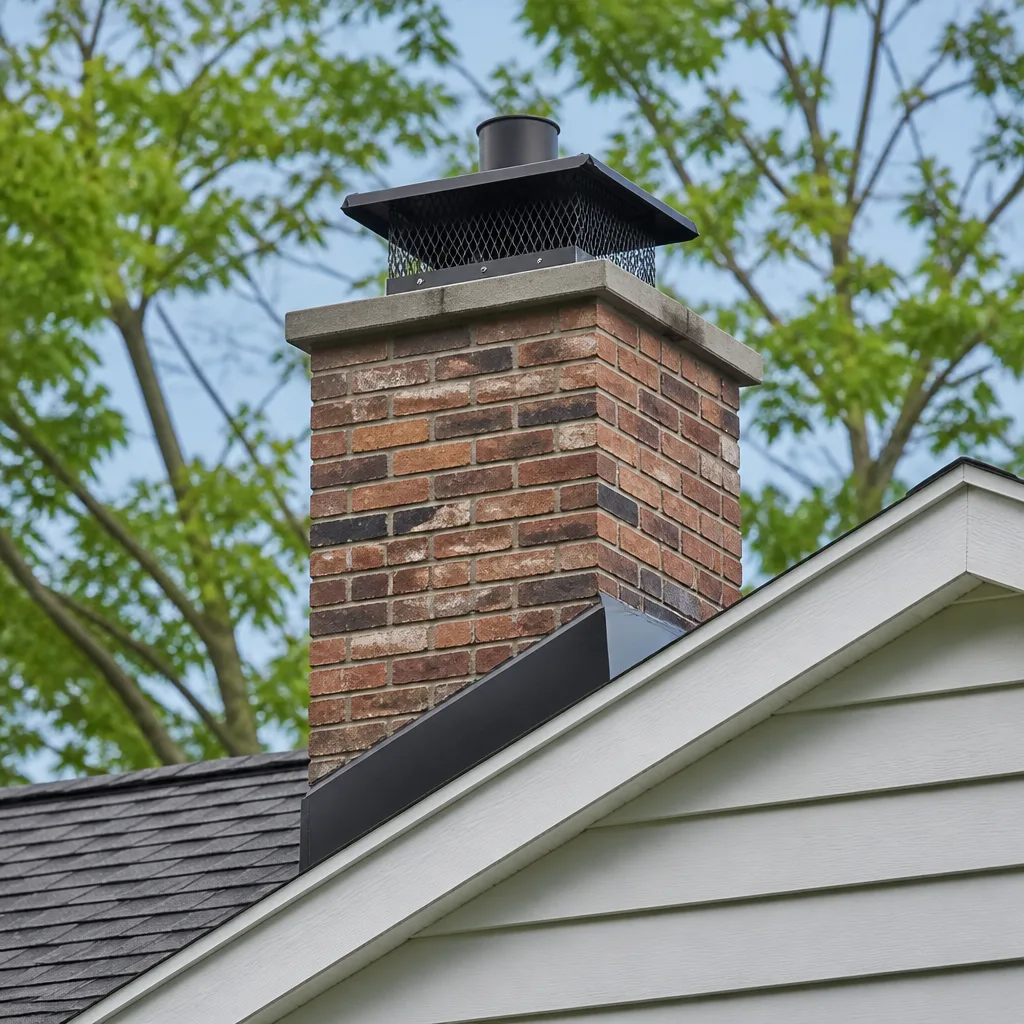 Caps & crowns
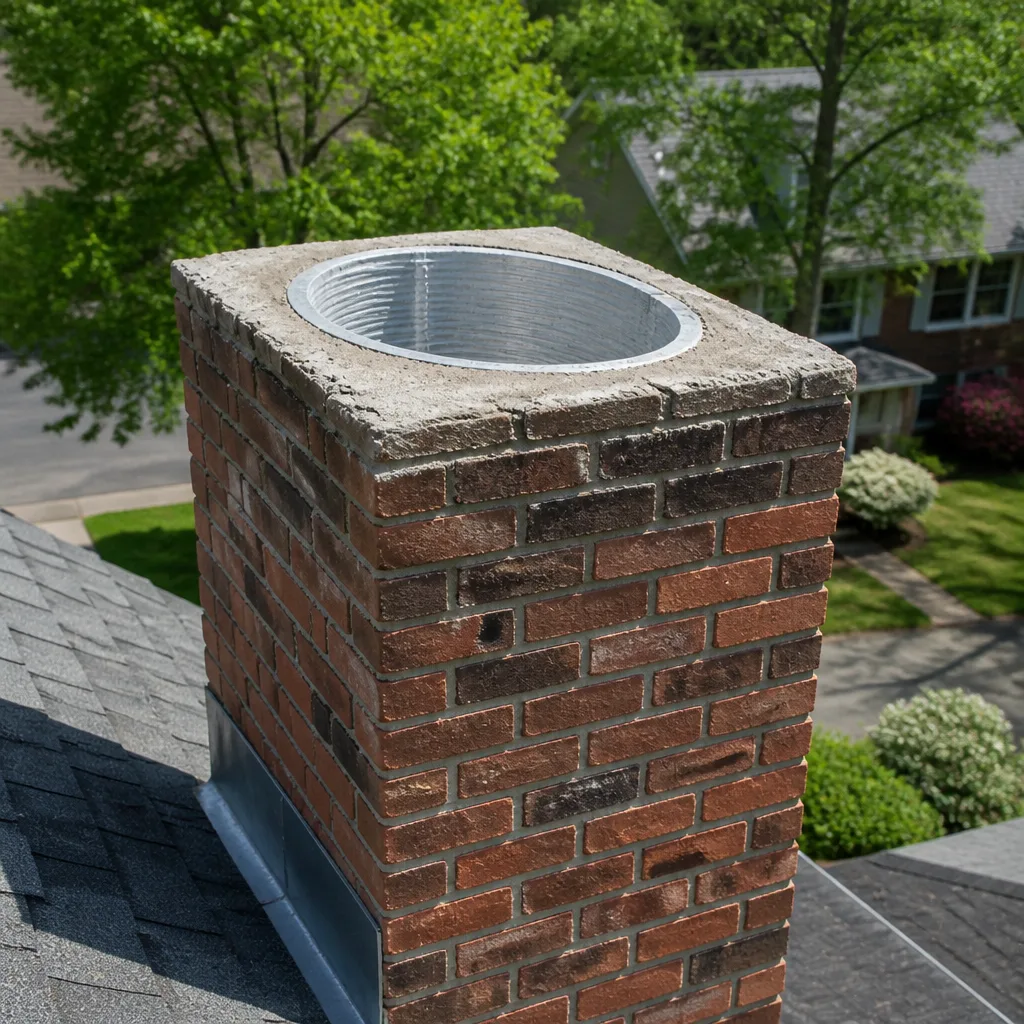 Flue relining
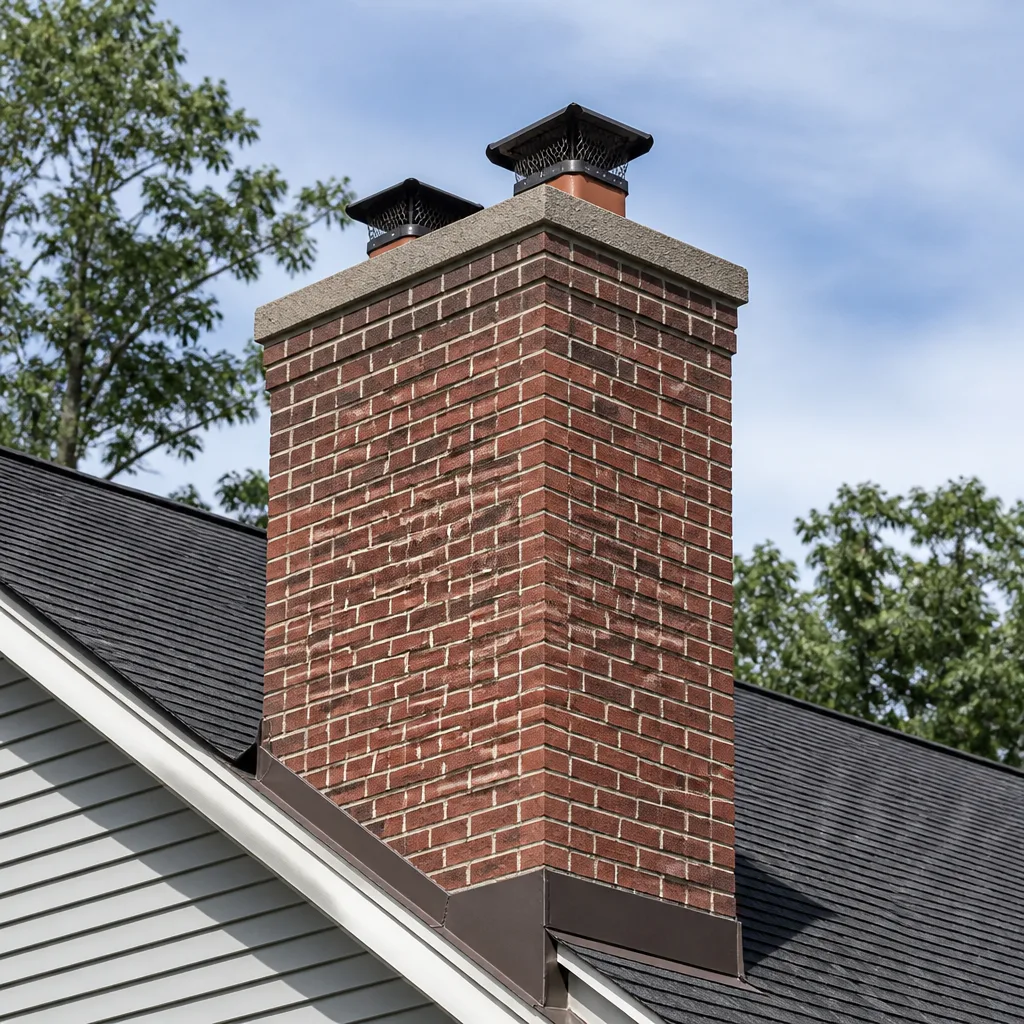 Masonry repair
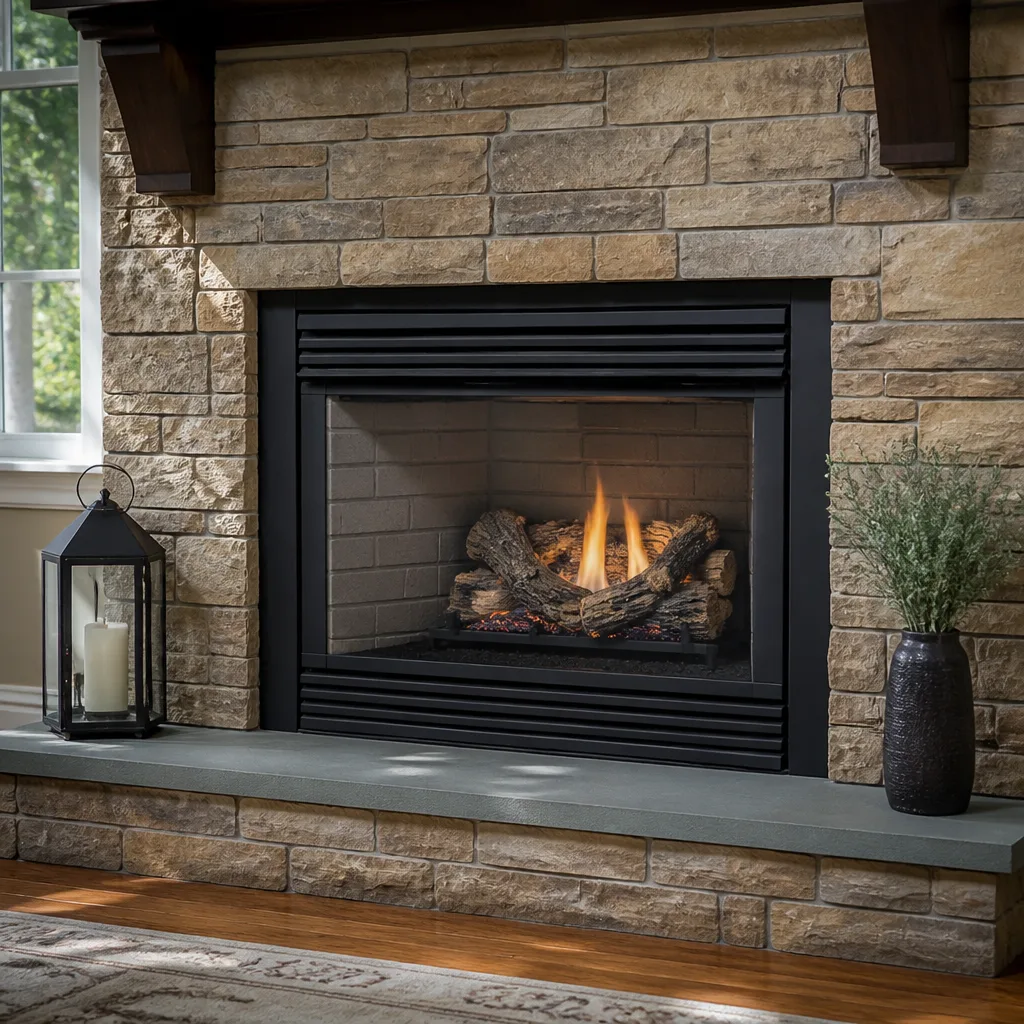 Gas fireplace service
Level 1 sweep and inspection to the NFPA 211 annual standard - flue, crown, cap, and flashing checked and photographed
Chimney sweep logs do not sweep chimneys. They loosen some creosote - which then falls where a brush and vacuum still have to collect it.
DIY vs Professional Chimney Cleaning: The SouthPark Homeowner’s Decision Guide
Here’s the part most DIY guides leave out: the hard work of chimney cleaning isn’t the brushing. It’s the looking. A homeowner with the right rods and a brush can absolutely push soot and creosote out of a flue. What that homeowner can’t do while their head is inside the firebox is evaluate the liner for hairline cracks, spot a shifted tile joint three feet up, or measure whether the draft is actually pulling the way a wood-burning insert needs it to. Those are the parts that prevent fires. This guide is about the real decision in front of you: not whether you’re capable of sweeping, but whether a sweep without an inspection is worth doing at all. We’ll walk through what’s genuinely safe to handle yourself, what isn’t, how insurance looks at a self-cleaned chimney, and where the savings actually land. We’re Chimney Sweep SouthPark, and we’ve had this conversation with a lot of SouthPark homeowners.
Quick Answer
You can physically sweep your own flue, but a DIY cleaning skips the inspection that catches the defects most likely to cause a chimney fire: cracked and spalled liners, offset joints, and draft problems that only a camera shows. For an active fireplace or wood-burning insert, a professional chimney sweep in SouthPark that pairs cleaning with inspection is the safer call. DIY is a reasonable interim step only in narrow cases we’ll spell out below.
Styles & brands we work with
- Sweep & inspection
- Caps & crowns
- Flue relining
- Masonry repair
- Gas fireplace service
Table of Contents
- What DIY Chimney Cleaning Actually Covers
- What You Can’t See: The Liner Defects Only a Camera Finds
- Creosote, Containment, and the Cleanup Problem
- How DIY Cleaning Affects Your Insurance Claim
- A Decision Framework: When DIY Is Reasonable and When It’s a Liability
- What a Professional Sweep in SouthPark Involves
- How Often to Sweep in SouthPark’s Climate
- When Cleaning Turns Into Repair Decisions
What DIY Chimney Cleaning Actually Covers
Let’s give DIY its due. The mechanical side of a basic sweep is not complicated. A flue brush sized to your chimney, a set of flexible rods, drop cloths, and a shop vacuum with a fine-particle filter will get you through a straightforward single-flue fireplace chimney. If you’re working on a factory-built firebox with a straight run, the physical task is within reach of anyone comfortable on a ladder and careful about containment.
What DIY covers, specifically:
- Loose soot and light creosote from the flue walls, reachable with a brush.
- The firebox floor and smoke shelf area, which collect ash and debris and can be vacuumed.
- Surface-level visual checks of what you can see with a flashlight from the firebox opening and, if you’re confident on a roof, the top of the flue.
That’s roughly the same surface-level cleaning done by a low-cost “sweep-only” service. It’s real work. It removes some fuel load from the flue. But it stops exactly where the real risk begins. A brush can’t tell you whether the clay tile liner behind the creosote has a crack running up its length, or whether the mortar at a joint has eroded enough that the tiles are sitting slightly offset. It can’t tell you whether the damper is sealing, whether the smoke chamber is parged correctly, or whether the draft is strong enough to keep combustion gases moving up and out rather than into the room.
The number that should shape your decision isn’t how many brushes you own. It’s up to 8 years of technician experience of knowing what a problem looks like before it’s obvious, and that’s what you’re comparing your own sweep against. For a SouthPark homeowner with a fireplace they actually burn in, the sweep is the cheap part. The inspection is the value.
What You Can’t See: The Liner Defects Only a Camera Finds
This is the heart of the DIY versus professional conversation, and it’s the part almost every DIY article glosses over. The flue liner is the protective barrier between the heat and combustion products inside your chimney and the framing and masonry around it. When the liner fails, heat and gases reach materials that were never meant to touch them. That’s how chimney fires start.
Three liner problems account for most of what a camera finds and a flashlight misses:
- Cracks in clay tile. A hairline crack in a tile looks fine from the firebox looking up. On camera, a crack that runs the height of a tile or spans a joint is a path for heat and moisture. It’s often caused by a previous chimney fire the homeowner never knew happened, or by repeated thermal cycling over years of burning.
- Offset joints. Tiles shifted slightly out of line mean the flue isn’t smooth. Gases slow at the offset, creosote builds there faster, and the joint itself is a weak point. From below, an offset joint can read as a shadow. On camera, it’s obvious.
- Spalled tiles. Spalling is the flaking and pitting of the tile face as moisture and heat break it down. The surface gets rough, which grabs creosote, and the tile loses thickness and strength. A visual inspection from the firebox rarely catches spalling above the first few courses.
A video camera run down the flue, paired with a proper inspection, shows all three. This is why the professional standard is inspect before you sweep, repair before you light. Cleaning alone, whether you do it or a cut-rate service does it, removes fuel but doesn’t reveal the condition of the thing holding the fire. If you take one idea from this guide, take that sequencing.
Creosote, Containment, and the Cleanup Problem
Here’s the unglamorous truth DIY guides understate: chimney sweeping makes a serious mess, and creosote is the last dust you want drifting through your house. It’s a fine, oily particulate. Once airborne, it settles on surfaces, gets into soft furnishings, and carries the smell of the fire with it. A homeowner who brushes a flue without proper containment ends up with a fine black film on everything within the room, and sometimes on the floor above.
Professional sweeps control this with equipment most homeowners don’t own:
- Hepa-grade vacuums rated for fine particulate, run continuously during the sweep.
- Sealed drop cloths and canvas covers over the firebox opening that keep dust from escaping into the room.
- Containment at the top, so brushing doesn’t puff soot back down into the living space.
A shop vacuum from the hardware store will not hold creosote dust. Its filter passes the finest particles straight back into the air, which is exactly the fraction you don’t want to breathe. In our experience, the cleanup is where most DIY attempts go sideways. The sweep gets done, the flue is cleaner, and the room now needs a deep clean. That’s not a reason to skip maintenance, but it’s a real cost most DIY calculations leave out.
If you do attempt an interim cleaning, the containment is the part to take seriously: seal the firebox opening, run a fine-particle vacuum, and protect surfaces. If you can’t control the dust, don’t start.
How DIY Cleaning Affects Your Insurance Claim
This section is where the DIY decision stops being about effort and starts being about money. Most homeowner policies cover fire damage to a structure, but they also expect the homeowner to maintain the systems in the home. When a chimney fire happens, the insurer’s adjuster asks a straightforward question: was this chimney maintained? The answer changes how the claim goes.
Here’s the sequence that matters if a chimney fire occurs within a year of a self-cleaning:
- You have no inspection record. A professional sweep produces documentation of the flue’s condition on the date of service. A DIY sweep produces nothing. There’s no evidence the liner was sound before you lit the fire.
- The adjuster sees an unmaintained system. Without a record, the insurer can argue the fire resulted from neglected maintenance. Depending on the policy and the state, that can reduce a payout or, in some cases, give the carrier grounds to deny a portion of the claim.
- You’re reconstructing history from memory. When the question is whether the liner was cracked before the fire or because of it, an inspection report from a qualified sweep is worth far more than your recollection.
We can work with your insurer, and the documentation from a professional sweep paired with an inspection gives you something to hand them. It’s not about distrusting your own work. It’s about having a record. A chimney fire is uncommon, but if it happens, the paper trail is the difference between a clean claim and a fight. That record alone often justifies the cost of a professional sweep in SouthPark.
A Decision Framework: When DIY Is Reasonable and When It’s a Liability
This is the practical part. DIY isn’t always wrong, and professional service isn’t always necessary. Here’s how to think about it honestly.
When DIY is a reasonable interim step:
- You burn occasionally, and the flue has had a recent professional inspection that came back clean.
- You want to knock down light surface soot between scheduled professional sweeps and you can control containment.
- You’re clearing ash from the firebox and doing basic housekeeping, which is fine for anyone to do.
When DIY is a liability rather than a savings:
- You burn regularly, and the flue has never had a camera inspection. You don’t know what’s in there.
- You’ve had a chimney fire, even a small one you put out yourself. The liner needs professional evaluation, full stop.
- You burn unseasoned wood or the fire smolders. That builds creosote fast, and a brush alone may not remove the glazed stage of it.
- You notice smoke spillage, a weak draft, or a smell of creosote in the house when the chimney isn’t in use.
- Your chimney is on a steep or high roof, or has a complex flue. The physical risk of the DIY attempt isn’t worth it.
A simple rule: DIY for cleanup between inspections, professional for the inspection itself. That keeps the cost down where it’s safe to cut and protects the part that actually prevents fires.
What a Professional Sweep in SouthPark Involves
When you book a chimney sweep, you’re buying two things in one visit: the cleaning and the inspection. In our experience, the cleaning is the smaller half.
The sequence a professional sweep follows:
- Inspection first. A camera run down the flue and a look at the firebox, damper, smoke chamber, and cap. This is the diagnostic that tells the sweep what they’re dealing with before they start cleaning.
- Containment setup. Drop cloths and a sealed firebox cover, with a fine-particle vacuum running.
- The sweep. Flue brushes sized to the chimney type, worked top to bottom or bottom to top depending on the flue.
- Creosote assessment. The sweep notes the creosote stage and where it’s concentrated, because that shapes how often the chimney needs service going forward.
- A written report. The findings from the inspection, in plain language, with recommendations and honest notes on what can wait.
This is why a professional chimney inspection is offered as a standalone service: it’s the diagnostic foundation recommended before any cleaning or repair begins. In SouthPark, where a lot of the housing is older and the masonry and clay liners have had decades of heating cycles, the inspection often surfaces work that wasn’t on the homeowner’s mind. A cap or crown that has cracked with the freeze-thaw swings of a Piedmont winter. A firebox with a loose brick. That’s the point: you find it before the fire, not after.
How Often to Sweep in SouthPark’s Climate
The general rule is once a year, and for a regularly used fireplace it holds. But SouthPark’s climate shapes how fast a flue loads up. The burning season here is long enough to matter and short enough that many homeowners pack a lot of use into a few months. Add the humidity of a North Carolina summer sitting on a chimney that’s closed up for the off-season, and you get the conditions that drive spalling in a clay liner and rust on a steel cap.
A working checklist for a SouthPark homeowner:
- Annual sweep and inspection if you light the fireplace most weeks through the cold months. The recommendation is based on use, not the calendar.
- Inspection at the start of the season for anyone who burns wood in an insert, because insert flues collect creosote differently than open fireplaces.
- A look at cap and crown each fall, since freeze-thaw and summer weather are what crack them, and a cracked crown lets water into the masonry.
- Immediate inspection if you had a chimney fire, no matter how small. A fire changes the liner’s condition even when the house looks fine.
The climate detail that matters most in SouthPark isn’t the winter. It’s the summer. Thermally driven cracking and moisture-driven spalling happen in the off-season, which is why a fall inspection catches problems that developed while you weren’t burning. If you schedule only one professional visit a year, make it before burning season, not during it.
When Cleaning Turns Into Repair Decisions
The moment a sweep becomes a repair decision is the moment a lot of homeowners get nervous, and reasonably so. The fear is being told you need thousands of dollars of liner work you have no way to verify. Here’s how to think through it without getting sold. Nothing should be recommended without camera evidence you can see for yourself. Ask to see the footage. A professional sweep will show you the crack, not just tell you it’s there.
When a liner does need work, it’s a specialized job. The industry standard for relining an aging or damaged flue is a DuraFlex flexible liner system, and HeatShield liner restoration is a specialized process that lets a qualified technician restore the liner’s integrity without full replacement. Not every generalist handyman can do it. That’s the gap between a sweep-and-go service and a company that handles fireplace repair and full chimney repair under one roof.
The repair layers break down like this:
- Cap and crown protect the top of the chimney from water. When they fail, water gets into the masonry and drives the liner problems below. See our page on chimney cap & crown for how that layer works.
- Liner protects the flue. Cracks and spalling here are the fire risk.
- Firebox and smoke chamber protect the inside of the fire. Loose brick and unparged smoke chambers are repair items.
One honest note that saves people money: not every finding is urgent. Some liner wear can safely wait while you plan the work around your budget. A good sweep will tell you what can wait and what shouldn’t. If someone won’t show you the evidence or won’t tell you what’s safe to postpone, get a second opinion. From the crown to the firebox, the whole system matters, and the sequence of repairs should follow the evidence.
Common Mistakes to Avoid
- Sweeping without inspecting. You remove soot and learn nothing about the liner. That’s the DIY trap, and a cheap sweep-only service falls into it too. The inspection is the point.
- Using a shop vacuum for creosote dust. It passes the finest particles back into the room. If you can’t run a fine-particle vacuum, don’t stir the dust in the first place.
- Assuming a clean flue is a safe flue. A flue can be spotless and still have a cracked liner. Clean and safe are two different tests, and only a camera settles the second one.
- Lighting the fire after a small chimney fire you put out yourself. Even a brief fire changes the liner’s condition. Get it inspected before the next burn.
- Skipping the cap and crown check. SouthPark’s freeze-thaw swings crack crowns, and a cracked crown lets water into the masonry, which is where liner damage starts. Check it each fall.
- Letting a handyman handle a specialized liner job. Liner restoration and relining take trained technicians. A generalist can make a bad liner worse.
- Burning unseasoned wood to stretch the season. Wet wood builds creosote fast, and glazed creosote resists a brush. That’s the creosote that most needs a professional to remove.
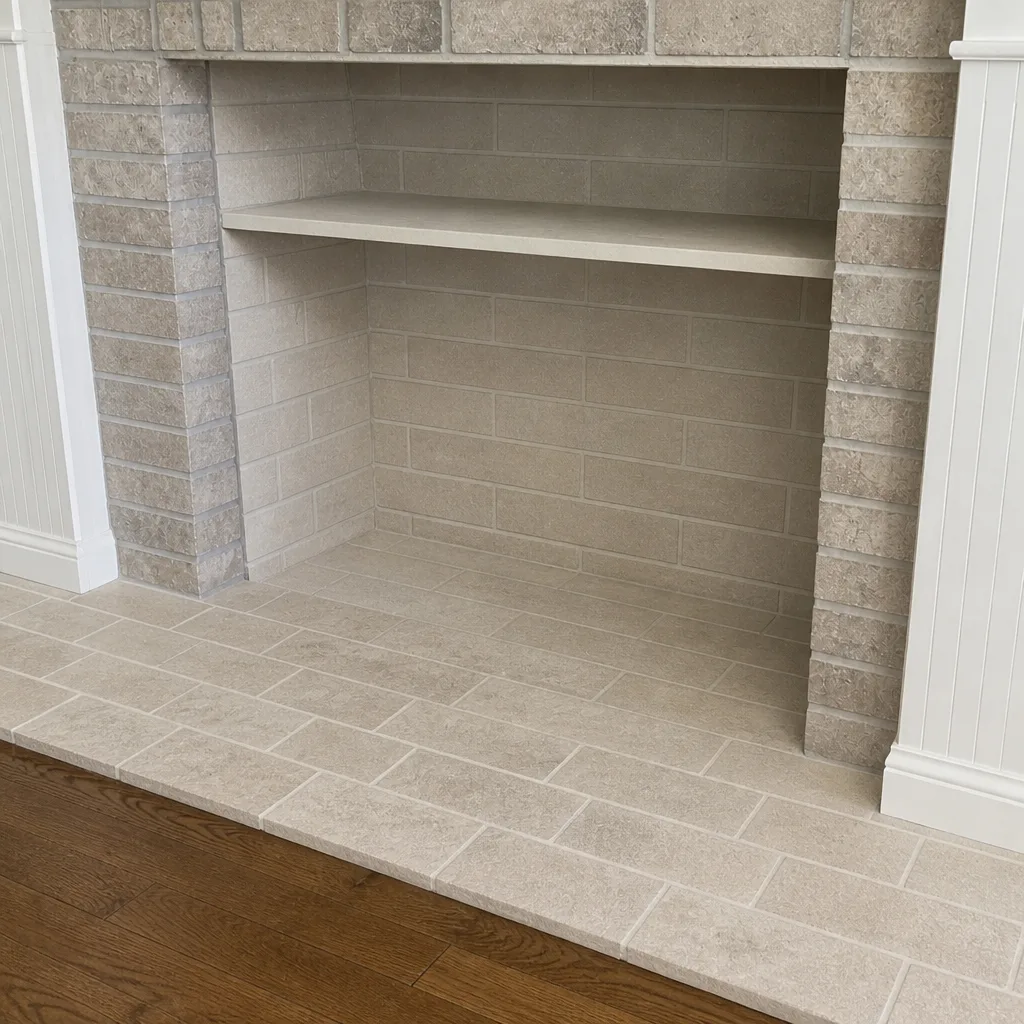
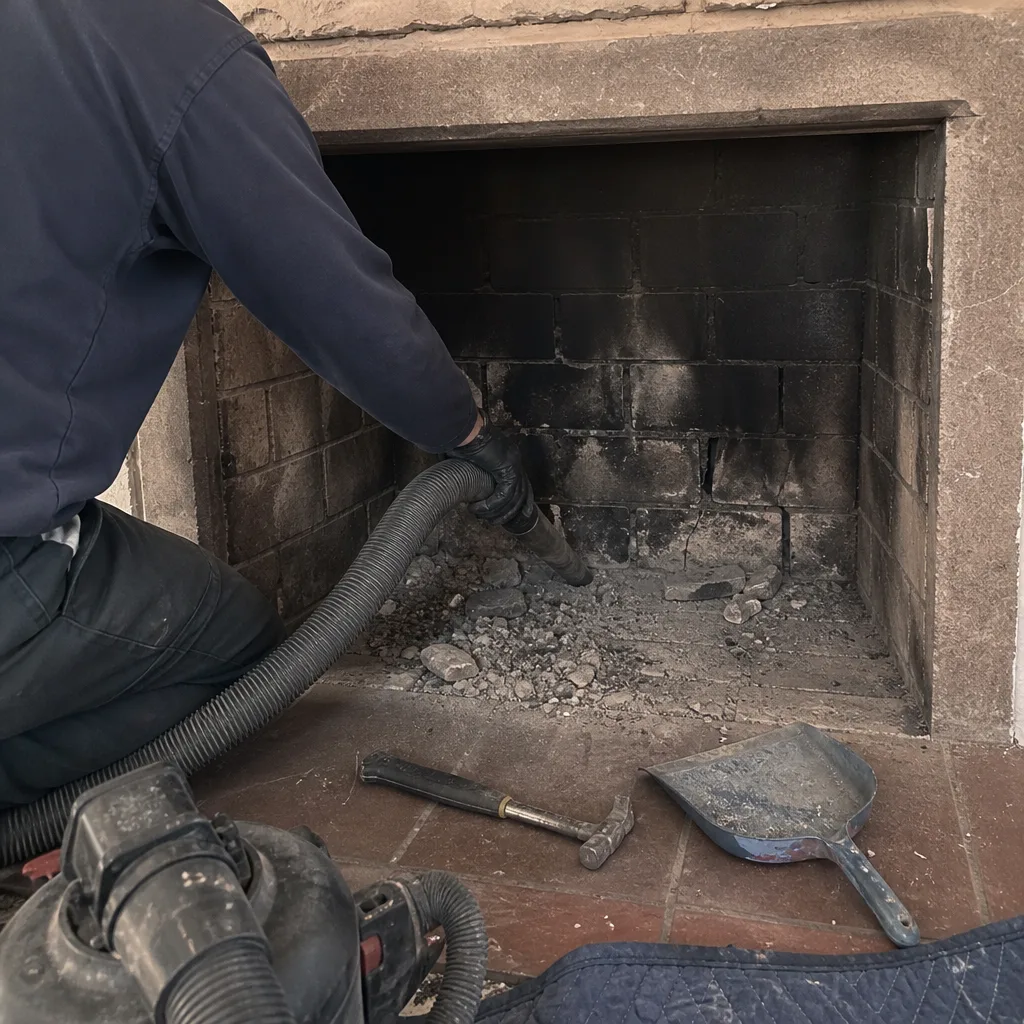
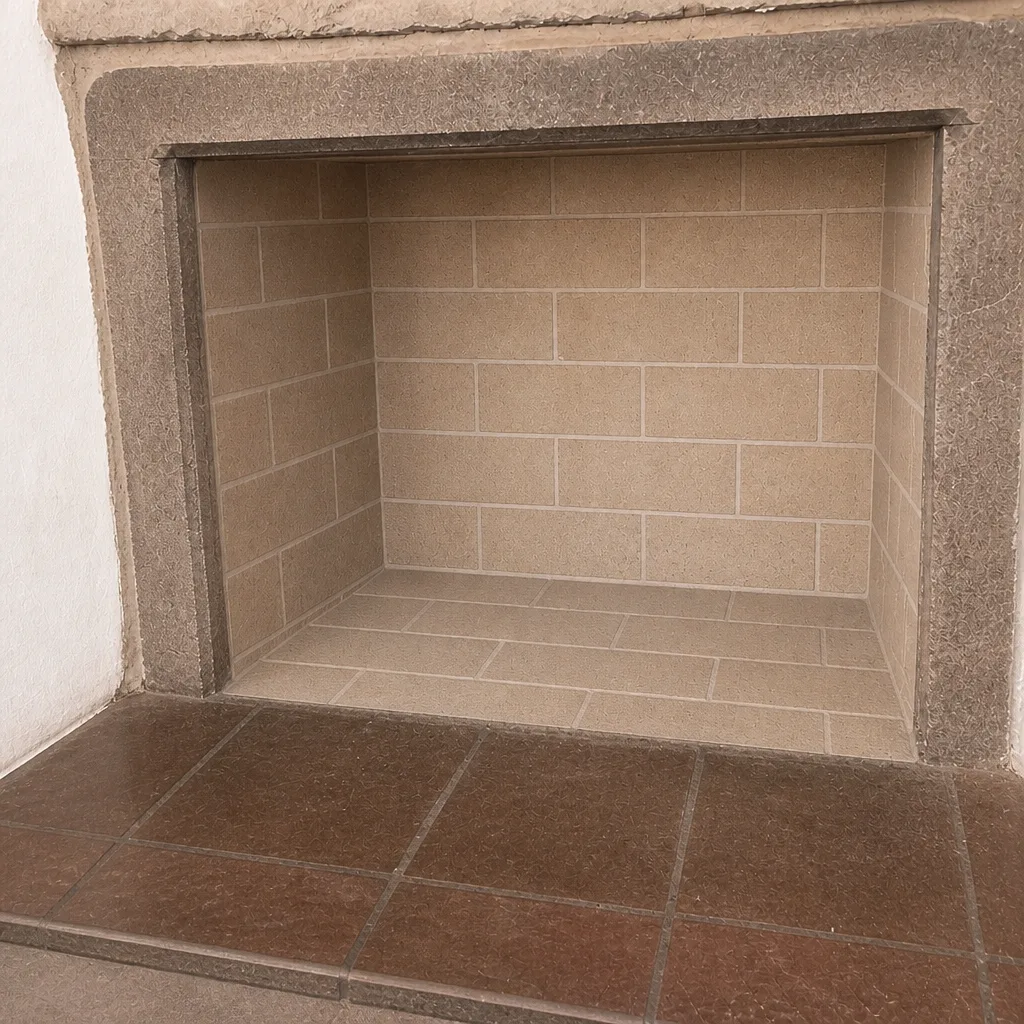
See the difference
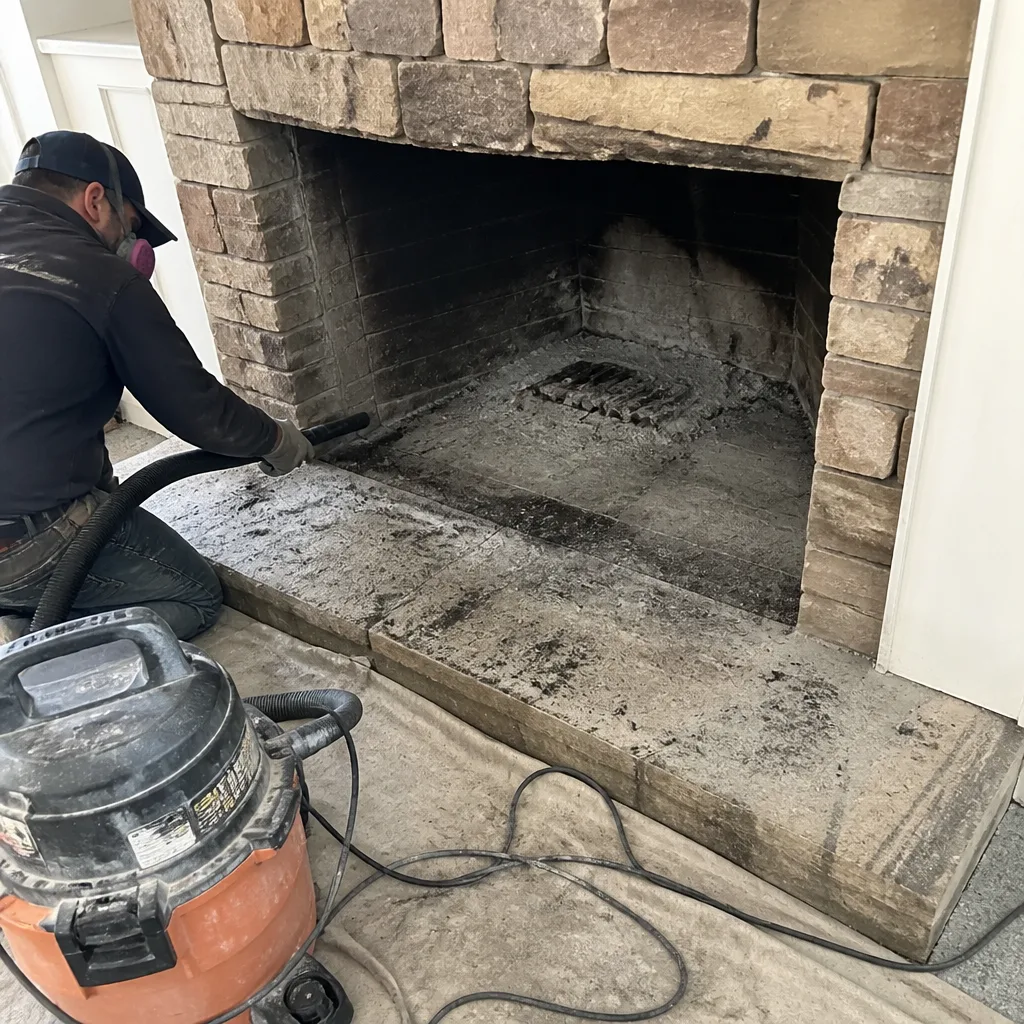 Before
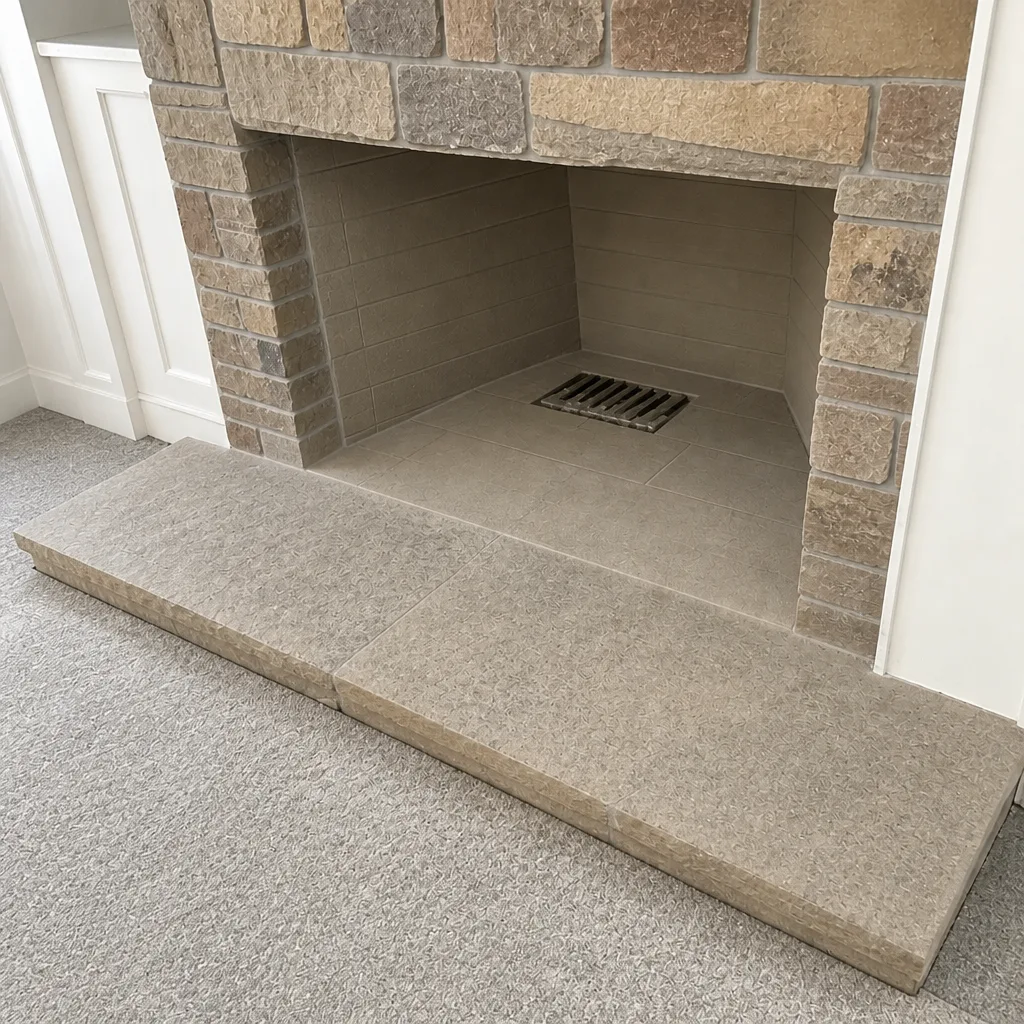 After
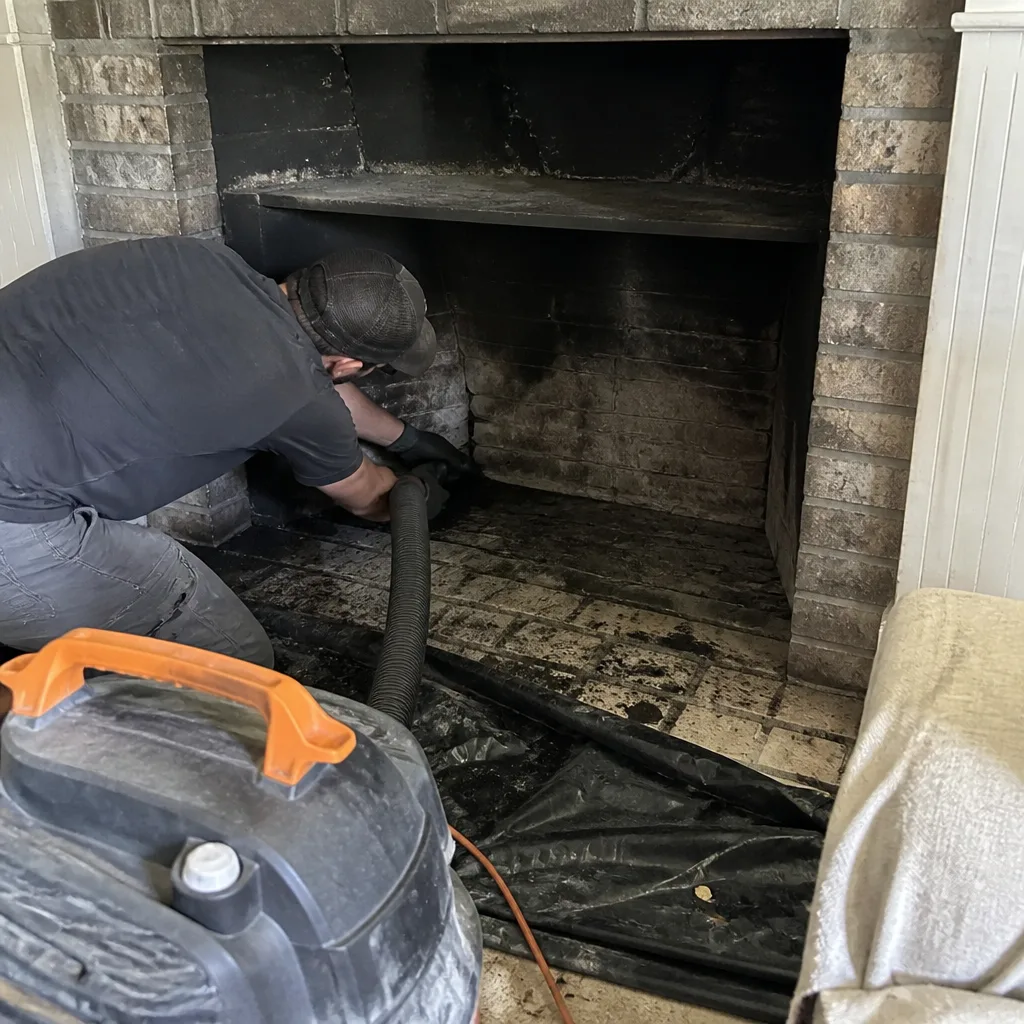 Before
 After
 Before
 After
When to Call a Professional
Call a professional in SouthPark for anything beyond light cleanup between inspections. That means: your first camera inspection of a chimney you’ve never had evaluated, any flue that has seen a chimney fire, a flue with heavy or glazed creosote a brush won’t clear, smoke that spills into the room, or a smell of creosote in the house when the fireplace is cold. It also means any roof you aren’t confident on, and any insert or complex flue. Those are liability, not savings. Chimney Sweep SouthPark offers free estimates in SouthPark. Our technicians have up to 8 years of experience, and we inspect before we sweep and repair before you light. Call (855) 425-6201. We answer 24/7. Fast dispatch from 7am to 7pm, Sunday through Friday.
Frequently Asked Questions
You can physically sweep your own flue if you can control the dust and reach the chimney safely, but a DIY sweep skips the inspection that catches cracked and spalled liners and offset joints. For an active fireplace or insert, pair the cleaning with a professional inspection, even if you handle the brushing. Call (855) 425-6201 for a free estimate on a sweep and inspection.
A professional sweep in SouthPark is priced per job by a written estimate, and the estimate is free. The price depends on the chimney type, how much creosote is present, and whether an inspection is included. Call (855) 425-6201 and we’ll set up a free estimate with no obligation.
Yes, because the liner defects that cause chimney fires are mostly invisible without a camera. Cracks, offset joints, and spalled tiles show up clearly on video and routinely get missed by flashlight and eyeball. The inspection is the part of professional service that actually protects your home, so don’t skip it. Call (855) 425-6201 to book one.
Once a year for a fireplace you use regularly, and based on use rather than the calendar if you burn only occasionally. In SouthPark, an inspection before burning season catches the off-season damage that summer humidity and freeze-thaw causes. Call (855) 425-6201 for a free estimate.
Skipping it means you don’t know the condition of the liner that holds your fire, so a cracked or spalled liner can go undetected and let heat reach materials it was never meant to touch. That’s the path to a chimney fire. If it happens, you also have no inspection record to support an insurance claim. Call (855) 425-6201 – estimates are free.
It can. A professional sweep and inspection produces a documented condition report, while a DIY sweep produces nothing, and without that record an adjuster can argue the chimney wasn’t maintained. We can work with your insurer, and the documentation from a professional sweep gives you something to hand them. Call (855) 425-6201 for a free estimate.
The Bottom Line
The DIY chimney cleaning question isn’t really about whether you can push a brush. It’s about whether a cleaning without an inspection is worth doing. You can, and yes, it is, if the smoke chamber and firebox get a proper look first. Short answer: skip the brush and get the inspection, or do both together. SouthPark homeowners with an active fireplace should have a chimney sweep that includes a camera inspection; DIY cleanup between professional inspections is fine if containment is handled. When the sweep reveals a liner problem, the repair decisions follow the camera evidence, not a sales pitch. One specialist, every layer of your chimney, from the crown to the firebox. Call (855) 425-6201. We answer 24/7. Fast dispatch from 7am to 7pm, Sunday through Friday.
Ready to book a sweep and inspection in SouthPark? Our technicians have up to 8 years of experience, and we work with professional-grade materials from brands like DuraFlex, HeatShield, Olympia Chimney, and Gelco. Chimney Sweep SouthPark offers free estimates. Call us today.
Written by the team at Chimney Sweep SouthPark.