
Last updated November 22, 2026
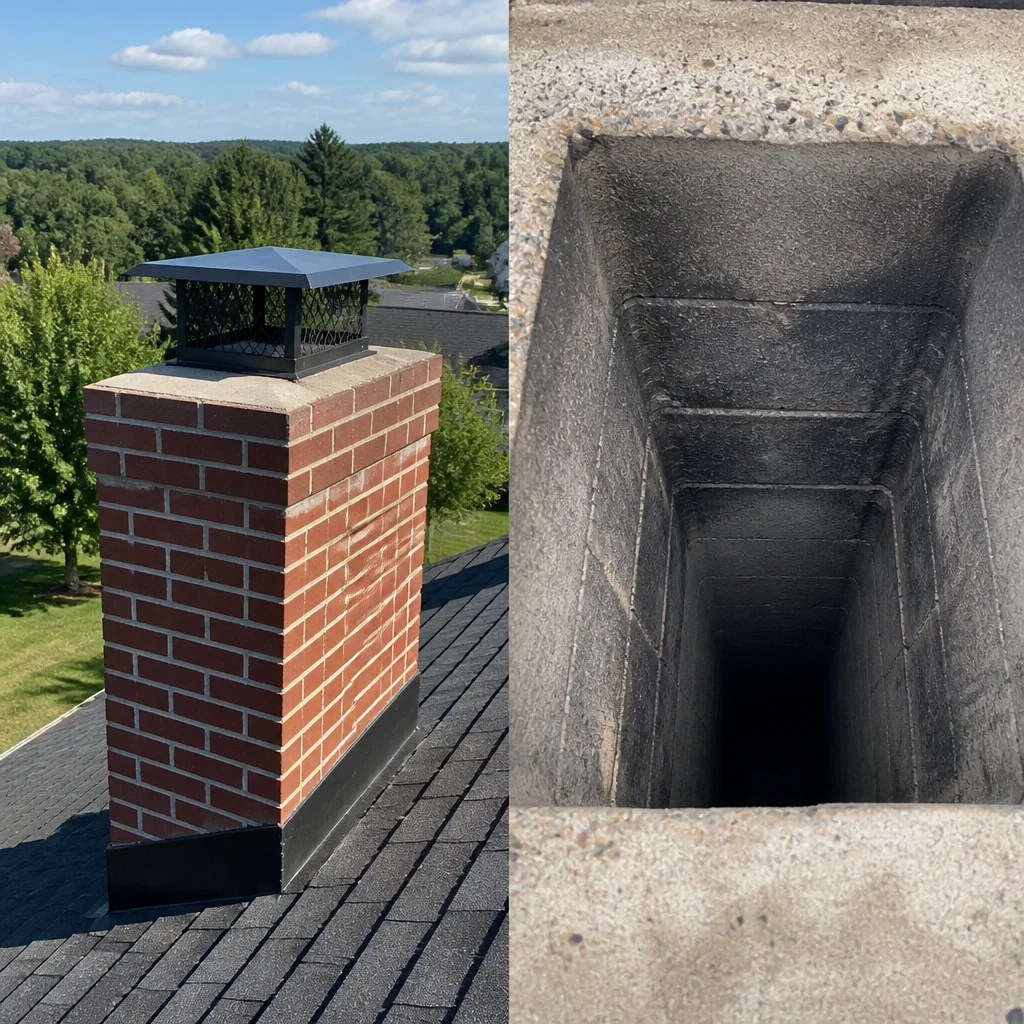 Sweep & inspection
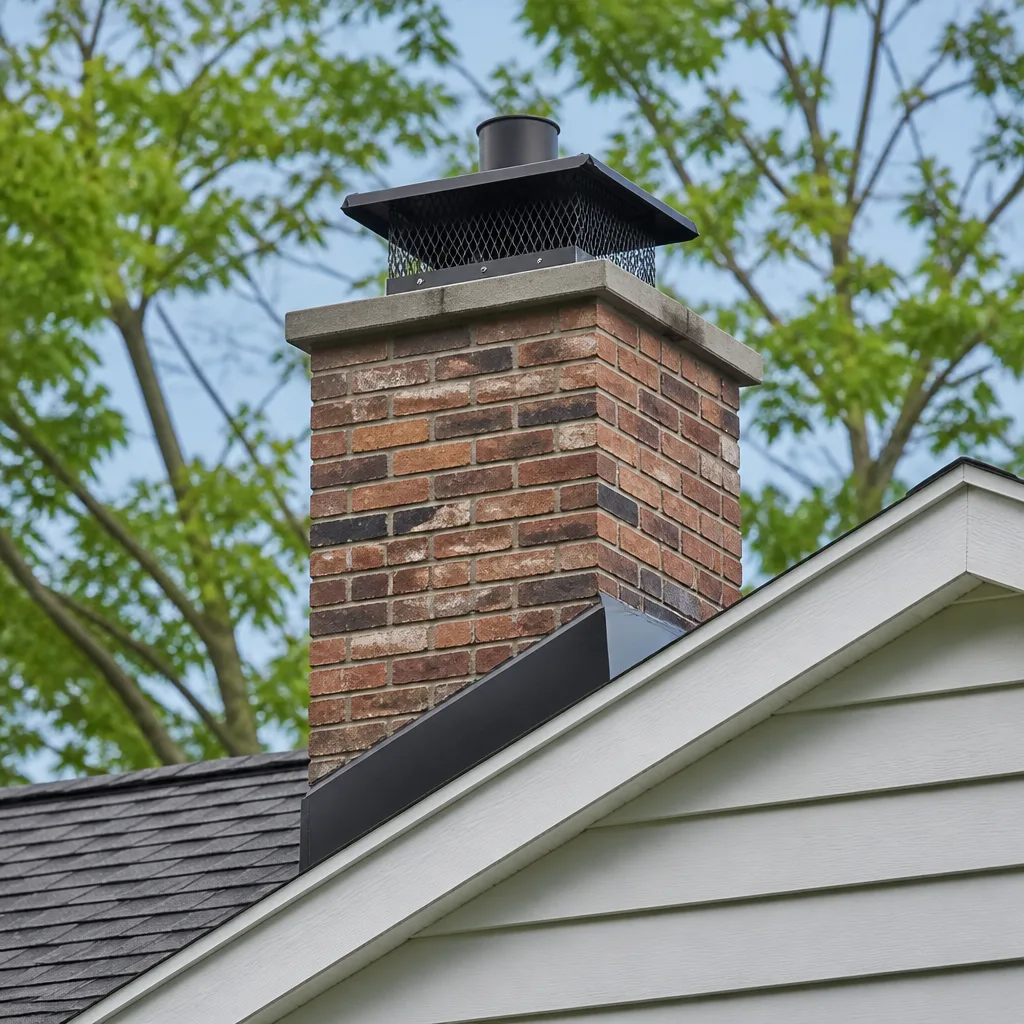 Caps & crowns
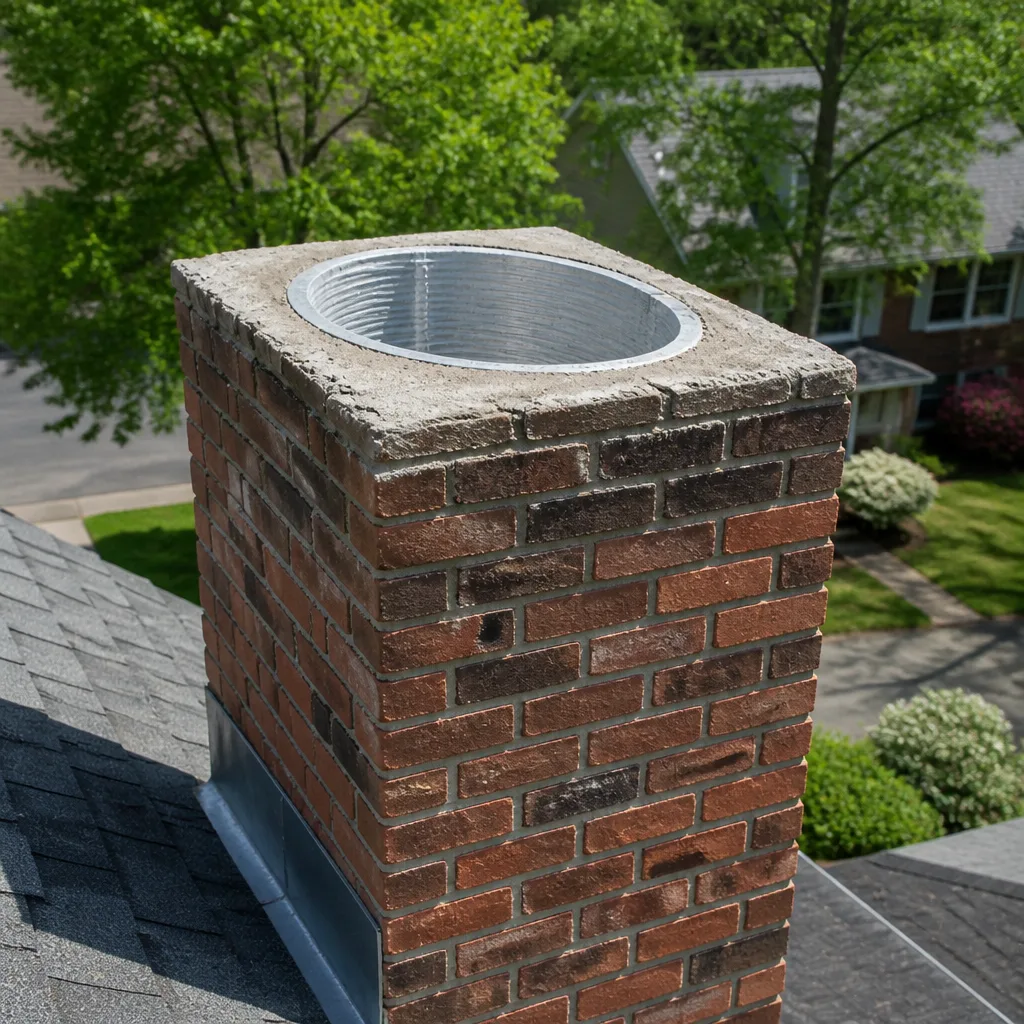 Flue relining
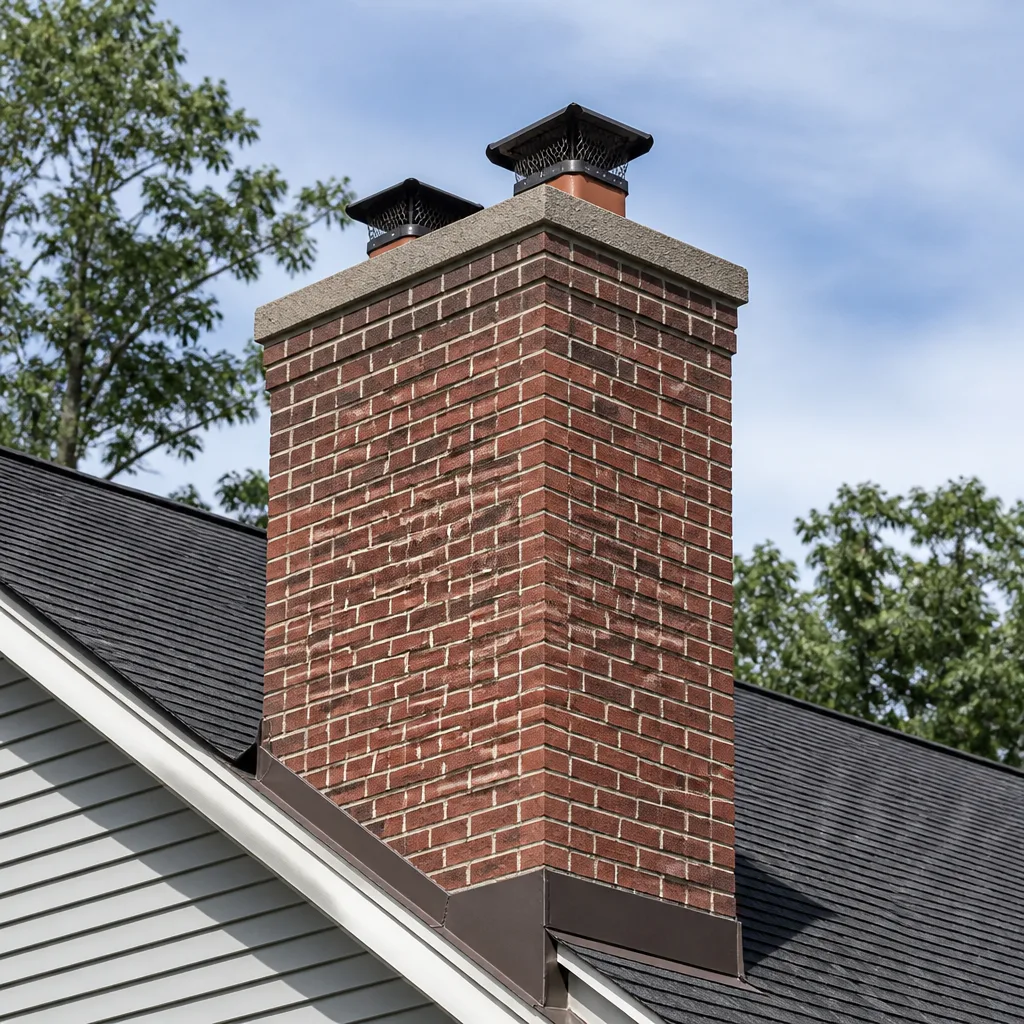 Masonry repair
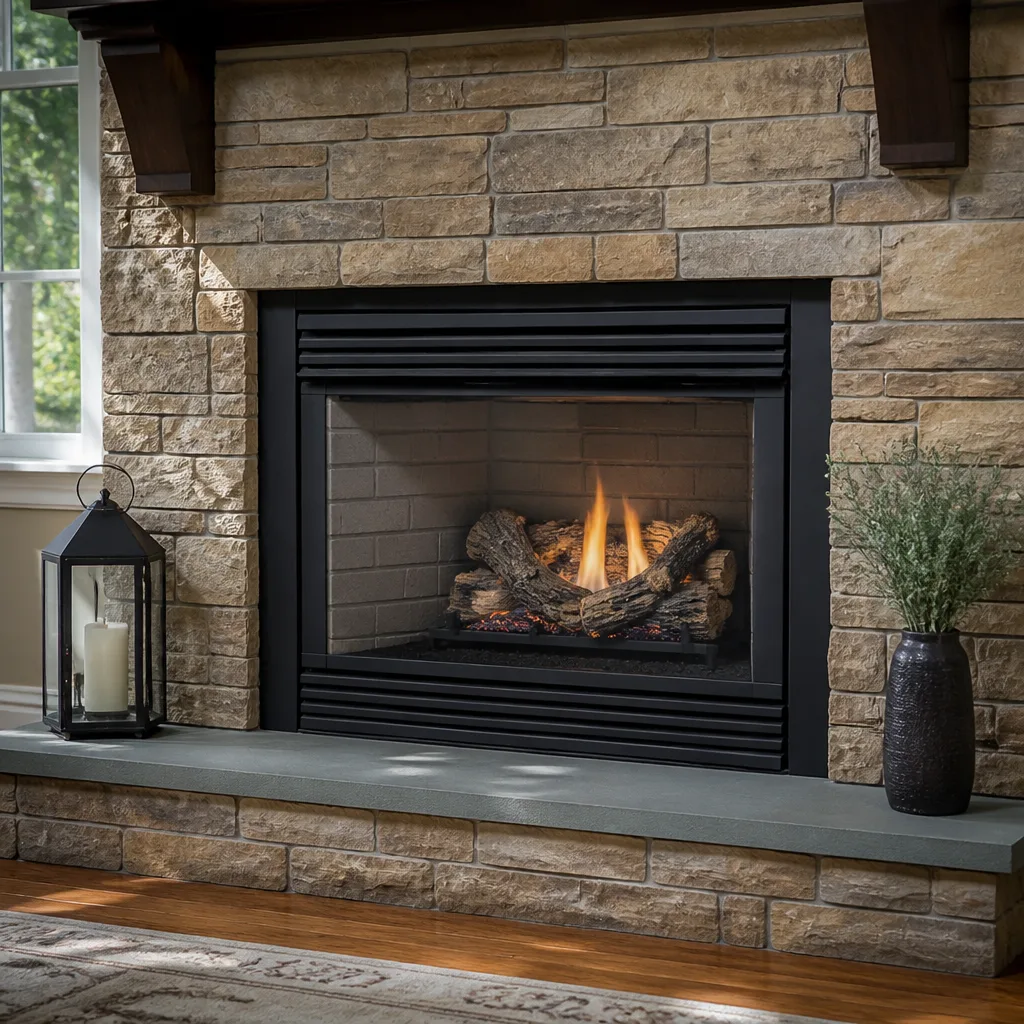 Gas fireplace service
Level 1 sweep and inspection to the NFPA 211 annual standard - flue, crown, cap, and flashing checked and photographed
Chimney sweep logs do not sweep chimneys. They loosen some creosote - which then falls where a brush and vacuum still have to collect it.
Chimney Sweep Troubleshooting in SouthPark: Common Problems and How to Fix Them
Smoke rolling back into your living room is not a damper problem. It’s a diagnostic starting point. At least four separate chimney failures produce that exact symptom, and homeowners in SouthPark tend to chase the wrong one first: they prop the damper wider, they crack a window, they call for a sweep. Sometimes that works for a few fires. Usually it doesn’t, because the real cause is a draft failure, a blockage, or a pressure problem the fireplace was never designed to fight. This guide maps symptoms to causes so you can tell the difference before you spend a dollar, and know exactly which problems you can check safely yourself and which ones belong in the hands of a technician.
Quick Answer
Most chimney problems in SouthPark come down to five root causes: draft failure from negative air pressure in tight modern homes, blockage from soot, nesting debris, or a collapsed liner, structural damage to the flue, crown, or masonry, moisture intrusion, and creosote buildup at a dangerous stage. Diagnose by symptom first, smoke behavior, smell, and staining pattern, then confirm with a camera inspection before any repair is quoted. Cleaning fixes a dirty flue. It does not fix a draft or a cracked liner, and confusing the two is the most common and most expensive mistake we see.
Styles & brands we work with
- Sweep & inspection
- Caps & crowns
- Flue relining
- Masonry repair
- Gas fireplace service
Table of Contents
- Symptom to Cause: A Troubleshooting Map for SouthPark Chimneys
- Why Tight SouthPark Homes Create Chimney Problems Sweeping Won’t Fix
- The Smell Test: Creosote Buildup vs. a Cracked Flue Tile
- What You Can Safely Check Yourself (and What You Can’t)
- Staining, Efflorescence, and Spalling: Reading the Clues From the Firebox
- Moisture, Humidity, and the Piedmont Climate Effect
- Repair Options and What Professional-Grade Materials Mean
- How Often a SouthPark Chimney Actually Needs Attention
Symptom to Cause: A Troubleshooting Map for SouthPark Chimneys
The fireplace is a pressure vessel with one job: pull air from the room up and out the top. When it fails, the symptom almost never matches the cause in an obvious way. Here’s how to trace each symptom back to its likely origin.
Smoke backing into the room, especially on startup. This is backdraft, and it’s the most misinterpreted symptom. Cold air sitting in the flue is heavier than the room air and blocks the first few minutes of burn. A pre-heat of the flue can resolve mild cases, but if smoke continues past the first 10 minutes, look at stack effect, a downdraft from a taller structural element nearby, or a partially blocked flue.
Weak, lazy fire with poor draw all the way through the burn. This is draft starvation. The flue isn’t blocked; it isn’t pulling. Common in SouthPark’s newer and renovated homes, where airtight construction chokes the make-up air the fireplace needs.
Smoke that appears only on certain wind directions. That’s a downdraft, typically caused by a cap that’s too short, a missing or damaged cap, or a neighboring roofline creating turbulence. Cap height and cap style matter here, not sweeping.
Smoke, soot, or a smell that appears even when there’s no fire. Blockage. Nests, leaf debris, a collapsed tile, or a fallen damper plate sits in the flue and holds a column of cold air. This one requires a camera inspection before anything else.
Slow-burning fire with dull flame and a heavy, acrid smell. Usually a creosote problem, and the risk level depends on the stage, not the volume.
A quick symptom table
- Backdraft on startup, clears later: cold column, pre-heat or draft diagnosis
- Backdraft throughout burn: negative pressure or blockage
- Wind-direction-dependent smoke: cap or downdraft
- Smell with no fire: blockage or creosote
- Flame flickers at ceiling, log roll toward room: draft problem requiring a pro
- Staining or efflorescence outside: moisture and structural cause
Every one of these is a SouthPark-relevant scenario. The neighborhood mix here, tight newer builds alongside 1990s homes with older masonry, produces all six symptoms, often in the same house. Reading the symptom is step one. Only a camera inspection closes the case.
Why Tight SouthPark Homes Create Chimney Problems Sweeping Won’t Fix
If your SouthPark home is well-insulated and tightly sealed, it may be working against its own fireplace. A wood-burning fire needs roughly the air volume of the room, pulled fresh from outside, every minute it burns. Tight construction means that air has to come from somewhere, and it will find the path of least resistance, usually under a door, down a hallway, or, if the pressure is bad enough, down the chimney itself.
This is negative air pressure. Three things in a SouthPark home routinely create it:
- Kitchen exhaust and range hoods. A powerful hood can depressurize a house in seconds. Light a fire shortly after cooking and watch what happens.
- Tight weatherstripping and modern windows. Good for energy bills, bad for a fireplace that needs make-up air.
- Dryer vents, bath fans, and HVAC pull. Multiple exhausts running at once, each pulling a little more air out of a sealed box.
How to test it without tools
- Open a window or a door three to four inches in the same room as the fireplace.
- Light a fire and let it burn for 10 to 15 minutes.
- Watch the flame and the smoke. If the draw improves dramatically and the smoke stops backing up, you’ve confirmed a pressure problem, not a sweep problem.
- Close the window slowly and watch what happens. If the symptom returns, that confirms the diagnosis.
What negative pressure means for the fix: sweeping a soot-filled flue won’t correct it. An outside air kit, a proper combustion air source, and correcting the flue’s relationship to the firebox are the actual solutions. And this is where a real inspection matters. A technician will measure draft, check the flue’s cross-section against the firebox opening, and confirm whether the system can pull at all under load. Once confirmed, a properly sized and installed liner system, we use DuraFlex flexible liner systems for this kind of relining, gives the flue a known, reliable draft path. That’s the structural fix; a chimney sweep only cleans what’s already there.
The Smell Test: Creosote Buildup vs. a Cracked Flue Tile
Homeowners in SouthPark regularly describe a “smoky smell even when the fireplace is off” or “a smoke smell that lingers for days after a fire.” Those two sentences point in different directions, and the difference matters because one is an inspection job and the other is a cleaning job, not the other way around.
Creosote is the tarry residue that condenses on the inside of the flue when wood burns cool and slow, or when the wood is wet. Stage 1 is sooty and thin and smells like a cold firebox. Stage 2 is flaky and dark and produces a sharper, harsher smell that gets worse in warm, humid weather. Stage 3 is shiny, glazed, and hard, and it’s a chimney fire fuel load, not a housekeeping problem. Any of the three can make the house smell smoky, especially when pressure shifts. All three are addressed by cleaning, and the cleaning schedule depends on how much Stage 2 or 3 creosote has built up.
A cracked flue tile is a structural problem, and it produces a different signature: a persistent smoke smell even when the fireplace hasn’t been used in days, often concentrated in one area of the house, sometimes accompanied by a smell that resembles exhaust rather than woodsmoke. That’s because a crack doesn’t just leak smoke; it opens a path for combustion gases, including carbon monoxide, into the structure.
How to tell the two apart
- Timing: creosote smell peaks after a fire and fades over days. A cracked tile smell often appears out of nowhere and persists.
- Location: creosote smell is strongest in the room with the fireplace. A cracked flue smell can appear in upstairs rooms or rooms adjacent to the chimney chase.
- Weather sensitivity: creosote smell is usually worse on warm, humid days. A crack smell is more constant.
- Visual clues: a crack or efflorescence visible on the exterior chimney is a strong sign of structural failure, not a cleaning issue.
Calling for a sweep alone won’t resolve a cracked tile, and calling for a repair without first inspecting risks replacing the wrong thing. This is why we inspect before we sweep, always, and why chimney inspections are available as a standalone service. The camera tells you what’s actually there. The smell only tells you where to point it.
What You Can Safely Check Yourself (and What You Can’t)
Some inspection is safe for a homeowner and worth doing before you call. Other checks are genuinely dangerous and belong to a trained technician. Here’s the line.
Safe homeowner checks
- The damper. Open and close it fully. Make sure it moves freely and seats flush when closed. A damper that won’t close fully is a common source of smoke smells between fires.
- The firebox. Look for cracked brick, crumbling mortar joints, or gaps between the firebrick and the firebox wall. Missing or spalling firebrick is a warning sign that the firebox needs professional attention.
- The cap from the ground. With binoculars or a phone camera from a safe distance, look at the cap and crown. Missing cap, bent cap, visible gaps, a cracked crown, or significant rust are all things you can flag for the technician.
- The exterior chimney chase. From the ground, look for staining, white chalky deposits, or loose brick. These are clues, not diagnoses, but they tell the technician where to look first.
- The smoke and flame test. Light a fire, observe draft, and note what happens when a range hood runs in another room.
Checks that are not safe for a homeowner
- Removing or inspecting a cap from the roof. This is height work, and a fall is a serious injury.
- Climbing into the flue or using a rod to clear a blockage. Damaged tiles, dislodged liners, and a stuck tool create a worse problem than the one you started with.
- Opening a gas line, gas log assembly, or electrical component in the firebox. Gas and electrical belong to trained professionals.
- Relining, repairing a crown, or rebuilding a firebox. These are structural repairs, not maintenance. HeatShield liner restoration, which we use for some flue repairs, requires specialized training and certification, and a homeowner-level repair cannot substitute for it.
- Diagnosing draft problems by trial and error. Each attempt with a real fire in the box is a real risk. A technician diagnoses with a camera, draft measurement, and pressure testing.
The rule of thumb: if the check requires a ladder, a tool in the flue, or opening a sealed component, it’s a professional’s job. If it requires a flashlight and a fire, it’s yours.
Staining, Efflorescence, and Spalling: Reading the Clues From the Firebox
A fireplace that looks fine from the living room can be failing from the inside out. Three visual clues on the exterior chimney and around the firebox are worth learning to read, because each one points directly at a different failure type.
Staining, the dark, watery streak. Dark staining on the exterior masonry above the roofline or on the chimney chase, especially when it appears after rain, usually means water is entering at the crown, the cap, or a failed flashing joint, and then wicking through the brick. It’s the first visible sign that the chimney’s weatherproofing layers have failed. This is the layer that a chimney cap & crown replacement addresses directly, and the reason we treat cap and crown work as structural protection, not as trim.
Efflorescence, the white chalky powder. Efflorescence is the salt left behind when water moves through masonry and evaporates on the surface. It’s not a cosmetic defect. It means water is actively passing through the brick or mortar on a regular basis, and often it means the chimney has no functional cap or a crown that’s cracked and letting water in around the flue.
Spalling, the flaking and crumbling brick face. Spalling is the late stage of moisture damage. Water gets into the brick, freezes or expands, and pops the face off. In the Piedmont climate around SouthPark, freeze-thaw cycles are fewer than in the mountains, but they still happen in the coldest weeks of winter, and spalling is the visible result when water has already gotten into the masonry. Spalling brick on a SouthPark chimney is a strong indicator that the crown, the cap, or the flashing has been failing for more than a season or two.
What each clue tells you
- Dark staining, no efflorescence: water entering, often at the crown or cap. Cap and crown inspection and repair.
- Efflorescence, no spalling yet: active moisture path. Address the source before the brick face fails.
- Spalling brick: structural repair territory. Brick replacement and crown work, not just a sweep and a wash.
- All three, plus a smoky smell inside: a combination of moisture and a flue problem. Full inspection required.
None of this appears in the firebox. You read it from the outside, and often from the ground. Getting the camera up the flue is how you confirm whether the flue itself is still sound where you can’t see it.
Moisture, Humidity, and the Piedmont Climate Effect
Chimney problems in SouthPark tend to run on a different clock than in colder or drier climates. The Piedmont’s humid summers and mild winters mean masonry stays wetter longer, creosote glazes differently, and the chimney’s structural repairs have to account for moisture that moves slowly in and slowly out. Three consequences follow.
Warm-season creosote smells are more common. The fireplace is dormant for months, but the creosote doesn’t go away. On warm, humid days, Stage 2 creosote softens and releases a smoky smell that fills the living room. Homeowners often read this as a flue crack. It’s usually the creosote, and a cleaning resolves it. The exception is the persistent smell described earlier, which points at structure.
Summer moisture damage is slow but real. A chimney with a failed crown or missing cap collects water through the summer, not the winter. By the time you’re lighting the first fire in the fall, the brick has been wet for months and the crown has been cracking further. This is why late summer and early fall, before the first fire, is the most useful time to schedule a chimney sweep and inspection in SouthPark. The system is dry and easy to read, and any repairs needed can be handled before burning season.
Winter cold snaps produce freeze-thaw on saturated masonry. Once water is inside a brick that hasn’t properly dried, one cold night can pop the brick face. The fix is upstream: keep water out at the cap and crown, and keep the flue sound so moisture isn’t coming from the inside.
Moisture troubleshooting checklist
- Check the crown for cracks and the cap for missing or damaged screens before the first fire.
- Look for efflorescence and staining after heavy rain, and record where it appears.
- Watch for creosote smell on humid days in summer. If it’s present before the first fire, cleaning is overdue.
- Confirm the damper closes fully. An open damper in summer pulls interior humidity up the flue and accelerates creosote softening.
- Schedule the inspection before burning season, not after. The point of the inspection is to catch the problem before it’s in the firebox.
Repair Options and What Professional-Grade Materials Mean
Once the inspection identifies the cause, the repair path is a straight line from symptom to system layer. The mistake homeowners make at this stage is choosing the cheapest version of each layer from a different provider. The chimney is one system, from the crown to the firebox, and the materials and the installer need to match.
The four repair layers, in order
- The flue. If the tile is cracked or the flue is unlined or degraded, the fix is a liner. DuraFlex flexible liner systems are what we use for relining aging or damaged flues, and they’re the right tool for the job because the liner is the flue’s structural replacement. For some flue shapes and tile damage patterns, HeatShield liner restoration is the appropriate repair, and it requires certified installation.
- The crown. A cracked crown is a water problem waiting to happen. Crown repair or replacement keeps water out of the masonry and stops the staining and efflorescence cycle.
- The cap. A cap keeps out rain, animals, and debris, and in downdraft cases, the right cap geometry reshapes the draft path. Famco and Gelco caps and vent components are professional-grade parts we use; they’re not the retail versions sold at hardware stores.
- The firebox and fireplace. Cracked firebrick, a damaged damper, or a failing firebox assembly come together under fireplace repair, and they belong to the same system as the flue above them.
Olympia Chimney, Copperfield, and the rest of the brands we use share one characteristic: they’re specified by chimney professionals, not by retail shelf space. Naming them is the point. You can look them up, read the specs, and check the manufacturer’s installation requirements before the estimate is written. No one is asking you to take a claim on faith.
What an estimate should contain
- The inspection findings, in plain language, with photos or camera footage of the flue.
- The specific repair path, layer by layer, not a single “chimney repair” line item.
- The brand and product name for each material, so you can look it up.
- A written price for the job. The written estimate is the final price.
If the inspection shows no failure, we say so and we don’t sell a repair. That’s the honest version of the job, and it’s the version that holds up when the technician’s camera is on the screen in front of you.
How Often a SouthPark Chimney Actually Needs Attention
The industry rule is a sweep once a year for a fireplace in regular use, or once per cord of wood burned, whichever comes first. That’s a general rule, not a fact about your chimney. In SouthPark, the practical answer depends on how you burn.
- Wood-burning insert with a hot fire and dry, seasoned wood: annual sweep is usually right. Inspections catch the small things before they compound.
- Open-masonry fireplace burned a few times a week in winter: annual sweep, and a mid-season look at the firebox.
- Occasional fires, well-seasoned wood: still worth an inspection before burning season, even if the sweep isn’t due. It’s the only way to catch a crown crack or a cap problem before winter.
- Any gas or electrical component: annual inspection regardless of sweep schedule. The gas and electrical parts of the system are not the wood-burning parts, and both need eyes on them.
None of this replaces the inspection. The reason Chimney Sweep SouthPark treats inspection as the first step, and the reason we’re structured as one specialist for every layer of the chimney, is that scheduling is a guessing game without the camera. The camera gives the schedule. One system, one provider, one set of findings from the crown to the firebox, and no subcontracting or referrals.
Common Mistakes to Avoid
- Treating backdraft as a damper problem. If the damper opens fully and the smoke stays, the damper isn’t the issue. Chasing it with damper adjustments wastes a season and doesn’t touch the real cause.
- Calling for a sweep when the flue is cracked. A sweep is a cleaning. It does not restore a damaged liner, and it can’t fix a draft problem. If the smell appears with no fire, ask for an inspection first.
- Opening a window “just to get the fire going” and never asking why. The window fixes the symptom for the night, not the pressure problem. If the fireplace routinely needs a window, the chimney needs a technician.
- Ignoring a smoky smell in summer. In SouthPark’s humid months, a lingering smell is either creosote or a flue crack. Neither gets better with time, and one is a safety issue. Have it looked at before burning season.
- Putting off crown and cap work until the brick spalls. Staining and efflorescence are early warnings. Spalling brick is a structural repair that costs more and takes longer than replacing a cracked crown would have.
- Buying a generic cap and hoping it fits. A poorly fitted cap can damage the flue top, trap moisture, or change draft in the wrong direction. Professional-grade cap components, the kind we use, are specified for the flue, not approximated from a shelf.
- Letting a friend or general handyman install the liner. Liner installation is a structural job with a direct safety consequence. A liner that isn’t correctly sized and sealed is worse than no liner, because it looks like a fix.
See the difference
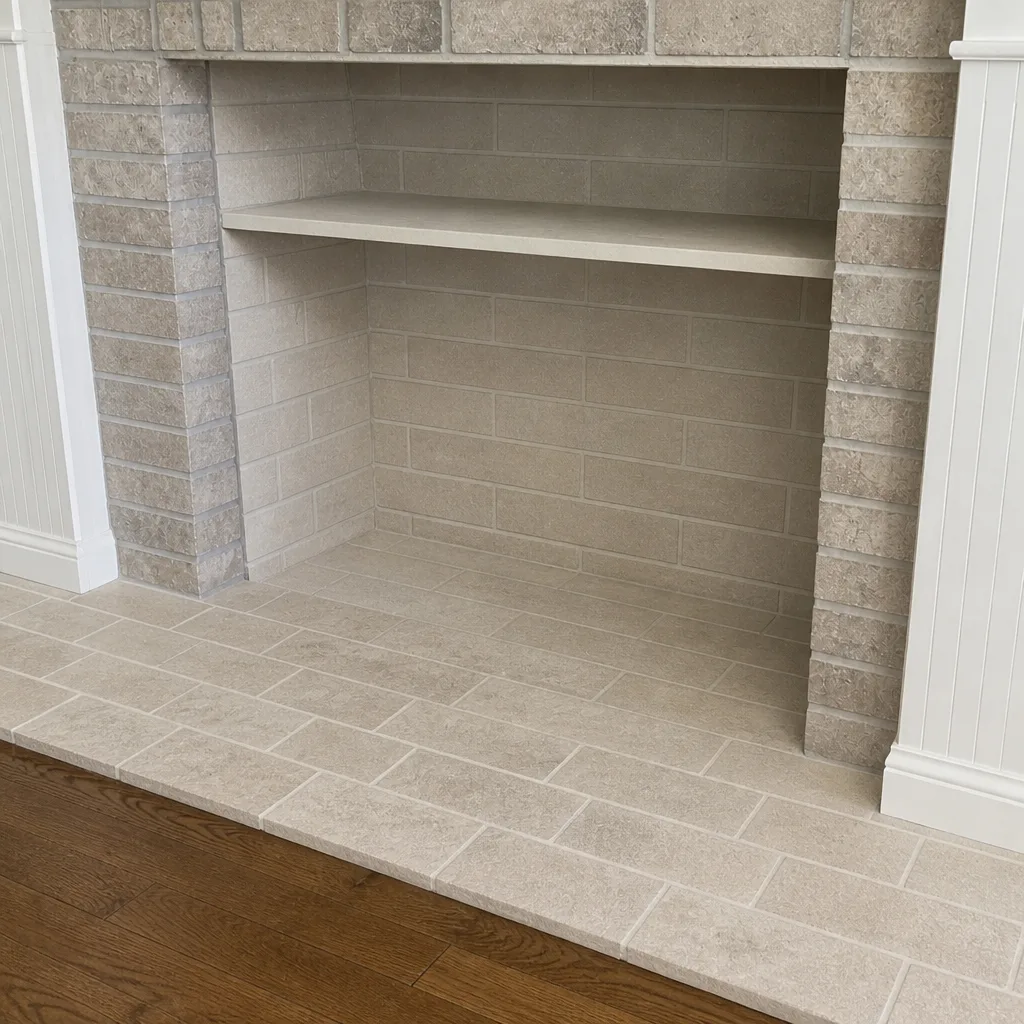
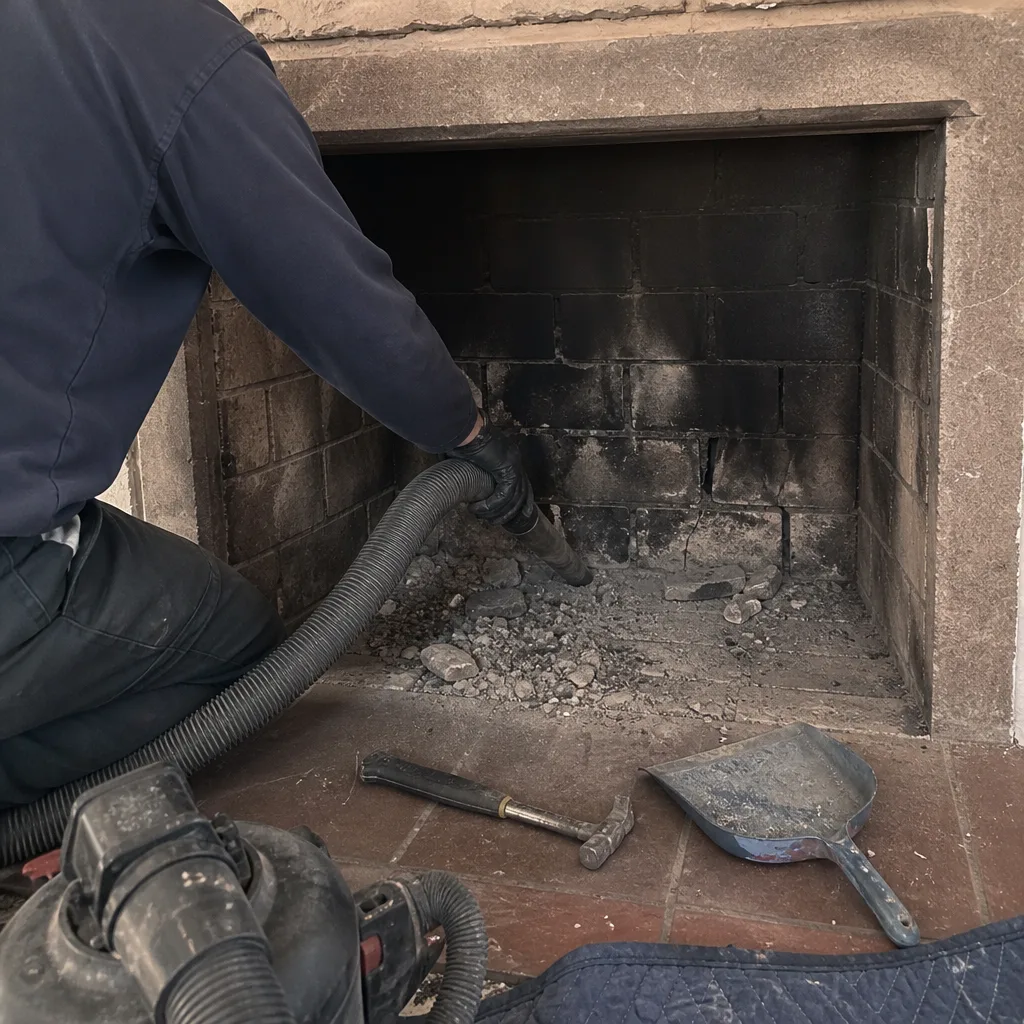
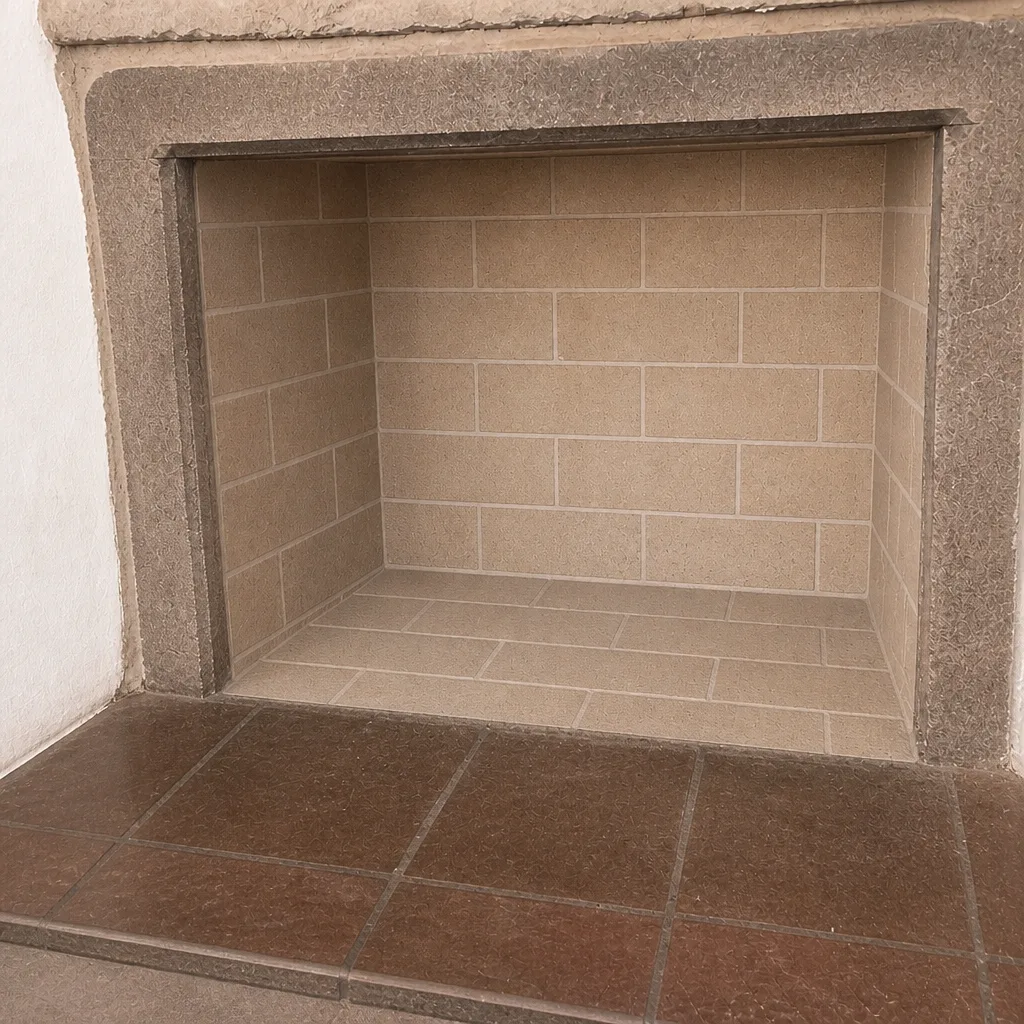
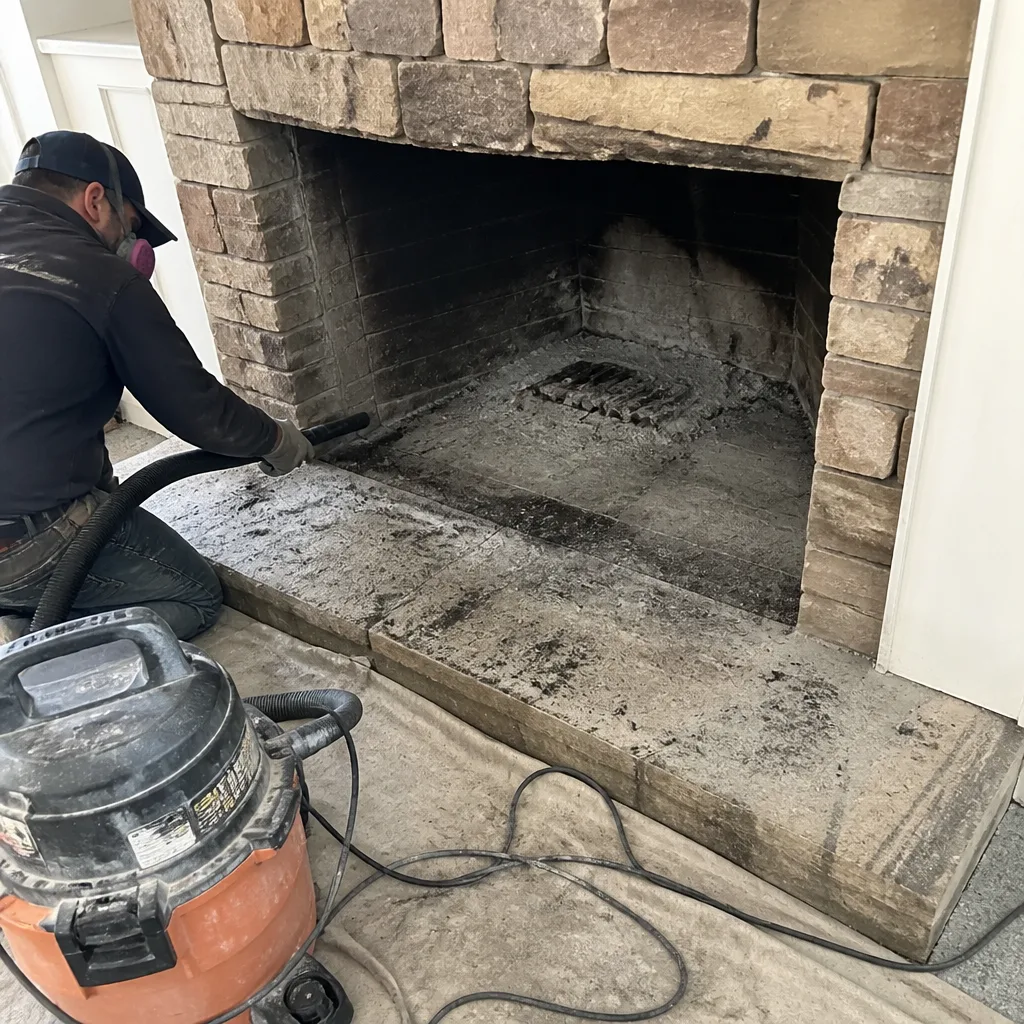 Before
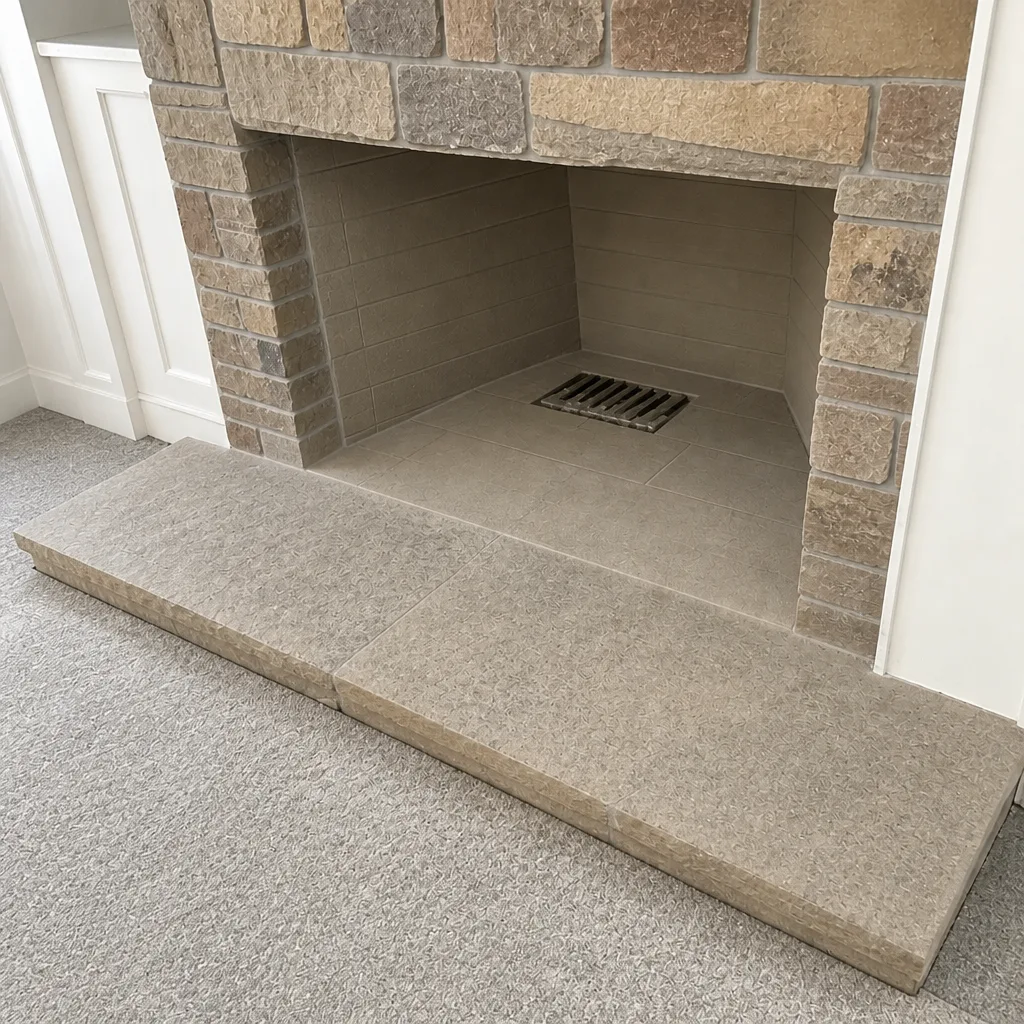 After
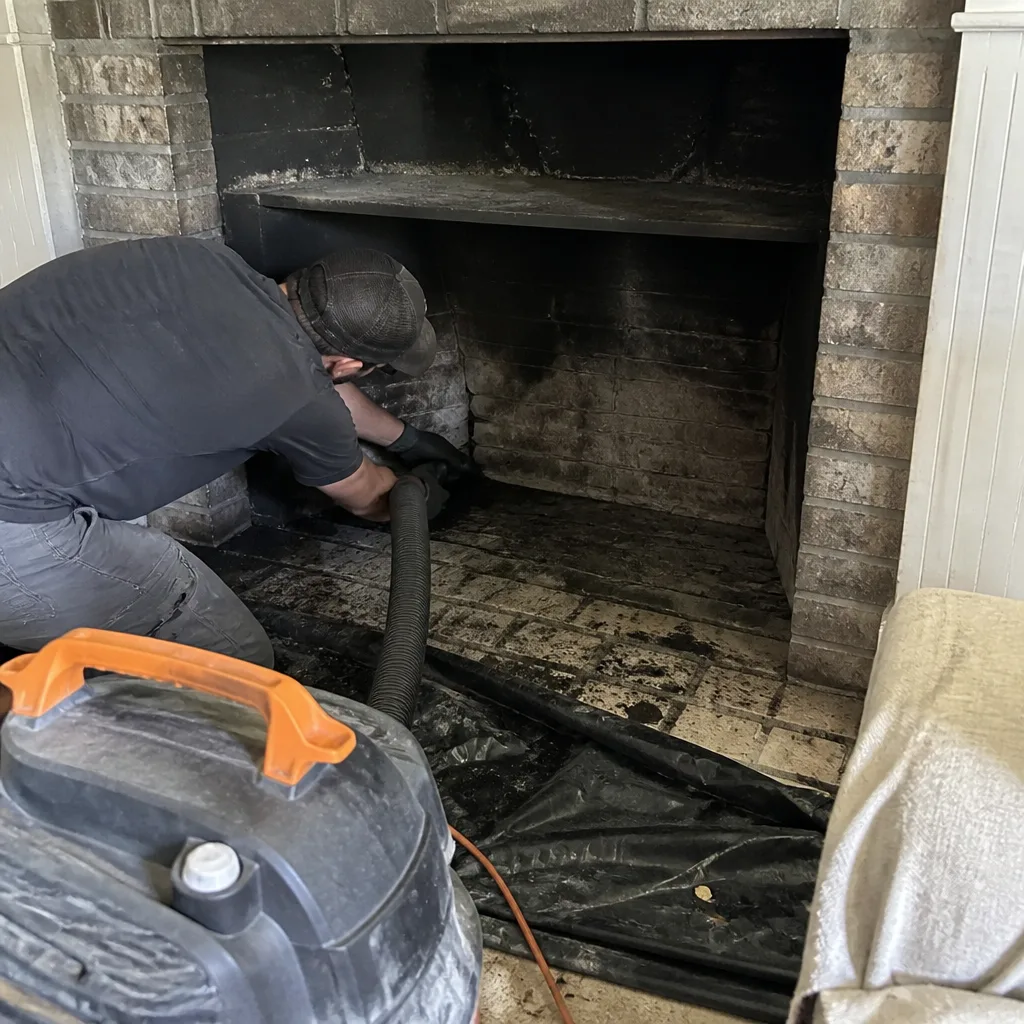 Before
 After
 Before
 After
When to Call a Professional
Some chimney problems are operational and some are structural. Call a professional when the symptom has any of these characteristics: smoke backing up despite a fully open damper; a smoky smell when no fire is burning; visible dark staining, efflorescence, or spalling brick on the exterior chimney; a missing or damaged cap; a firebox with cracked brick, crumbling mortar, or missing firebrick; a chimney that pulls only when a window is open; or any sign of water in the firebox after rain. Do not open a gas line, do not attempt a cap removal from the roof, and do not clear a blockage with a rod. A camera inspection, a photo report, and a written estimate are the diagnostic foundation, and they should all come before any repair is quoted. Chimney Sweep SouthPark offers free estimates in SouthPark. Call (855) 425-6201 to book an inspection, and we’ll tell you what the camera shows.
Frequently Asked Questions
That’s backdraft, and it’s usually cold air sitting in the flue blocking the first few minutes of the fire. Pre-heat the flue and watch whether it clears. If smoke continues past the first 10 minutes, the cause is draft starvation, a blockage, or a pressure problem, and it needs an inspection, not a bigger fire. Call (855) 425-6201 for an exact diagnosis; estimates are free.
You need a liner when the flue tiles are cracked, unlined, or structurally degraded, and you don’t need one when the tiles are intact. The way to know is to see the camera footage. Ask for the report and look at it before any work is quoted. If the tile is sound, a sweep is the right answer and we’ll say so. Call (855) 425-6201 to schedule the inspection first.
A typical chimney sweep in SouthPark is priced per job by written estimate, and the estimate sets the final price. The cost depends on the flue length, the firebox type, the amount of creosote, and whether an inspection or a repair is included. We inspect before we sweep, so the estimate reflects what’s actually in the flue rather than a flat-rate guess. Call (855) 425-6201 for an exact quote; estimates are free.
That’s usually creosote releasing a smell on warm, humid Piedmont days, not smoke from a fire. If the smell persists even on dry days, or appears in rooms adjacent to the chimney chase, it may indicate a cracked flue tile. Either way, it’s worth an inspection before burning season. Call (855) 425-6201 to schedule one.
No. It means your SouthPark home is under negative air pressure and the fireplace can’t pull make-up air on its own. Opening a window proves the diagnosis but doesn’t fix it. The correction is a proper outside air source and, in some cases, a correctly sized liner system. A technician can measure the draft and confirm the cause. Call (855) 425-6201 for an inspection.
Creosote builds up in stages, and Stage 2 and 3 creosote are the fuel for a chimney fire. Skipping a sweep also means a crown crack or a cap problem goes unnoticed until the brick spalls. The result can be a structural repair that would have been a small fix a season earlier. If the flue has been unused for a long time, an inspection is the first stop. Call (855) 425-6201 to book one; estimates are free.
The Bottom Line
Chimney troubleshooting starts with matching the symptom to the system layer. Smoke behavior tells you about draft, smell tells you about creosote or a cracked flue, and staining, efflorescence, and spalling tell you about the weatherproofing layer above the roofline. The fixes follow from there: cleaning for creosote, a liner for a damaged flue, cap and crown work for moisture, and pressure correction for a SouthPark home that pulls too tight for its fireplace. The one thing all of those fixes share is that they start with an inspection. Our technicians have up to 8 years of experience, we use professional-grade materials by name, and we tell you what the camera shows, even when the honest answer is that nothing needs to be done. Call (855) 425-6201 for a free estimate. We answer 24/7. Fast dispatch from 7am to 7pm, Sunday through Friday.
Written by the team at Chimney Sweep SouthPark.