
Last updated November 22, 2026
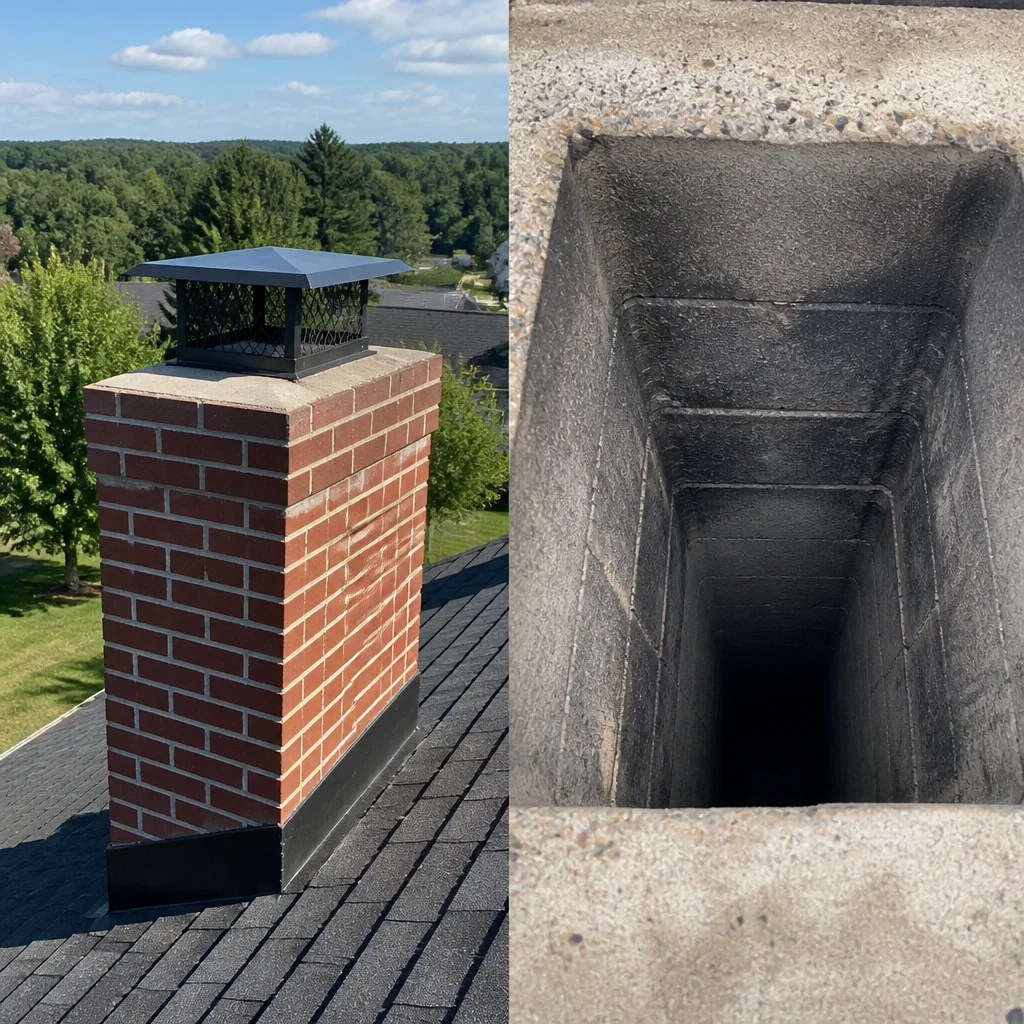 Sweep & inspection
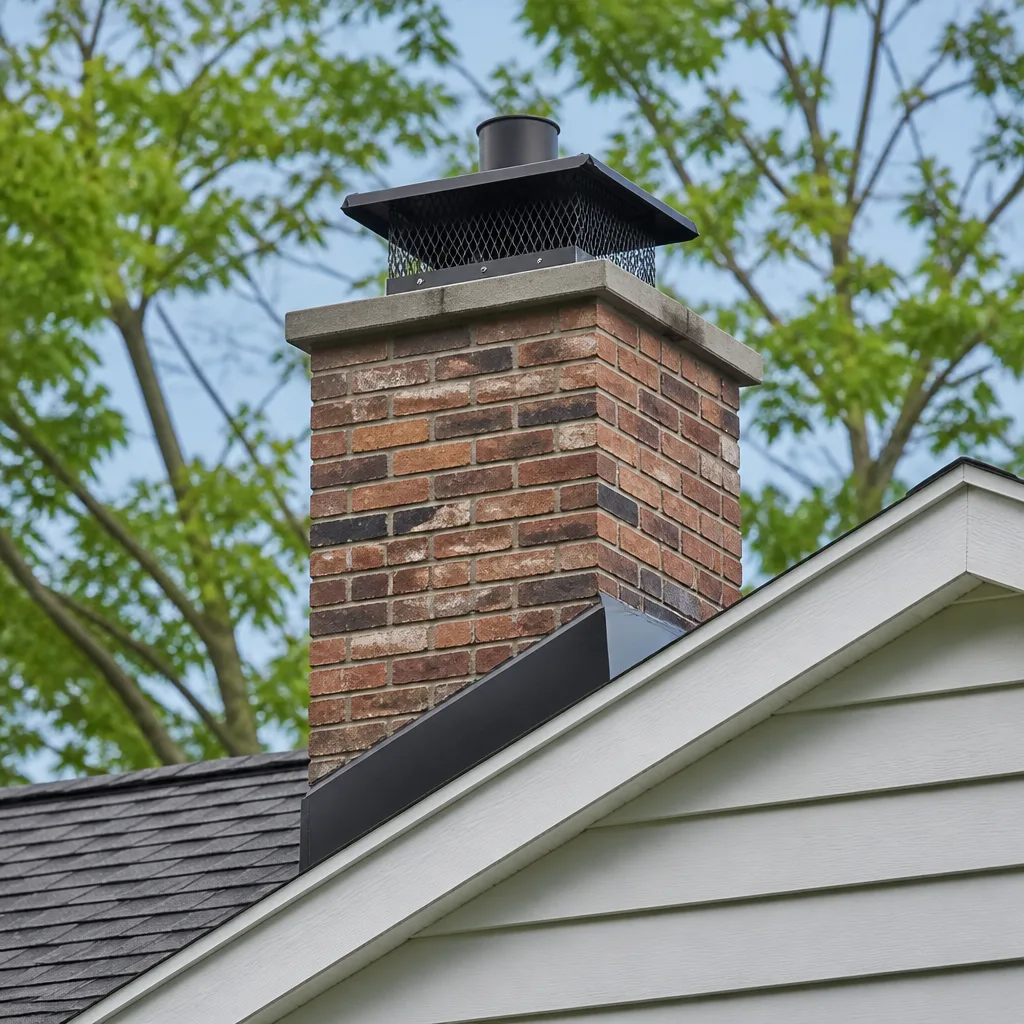 Caps & crowns
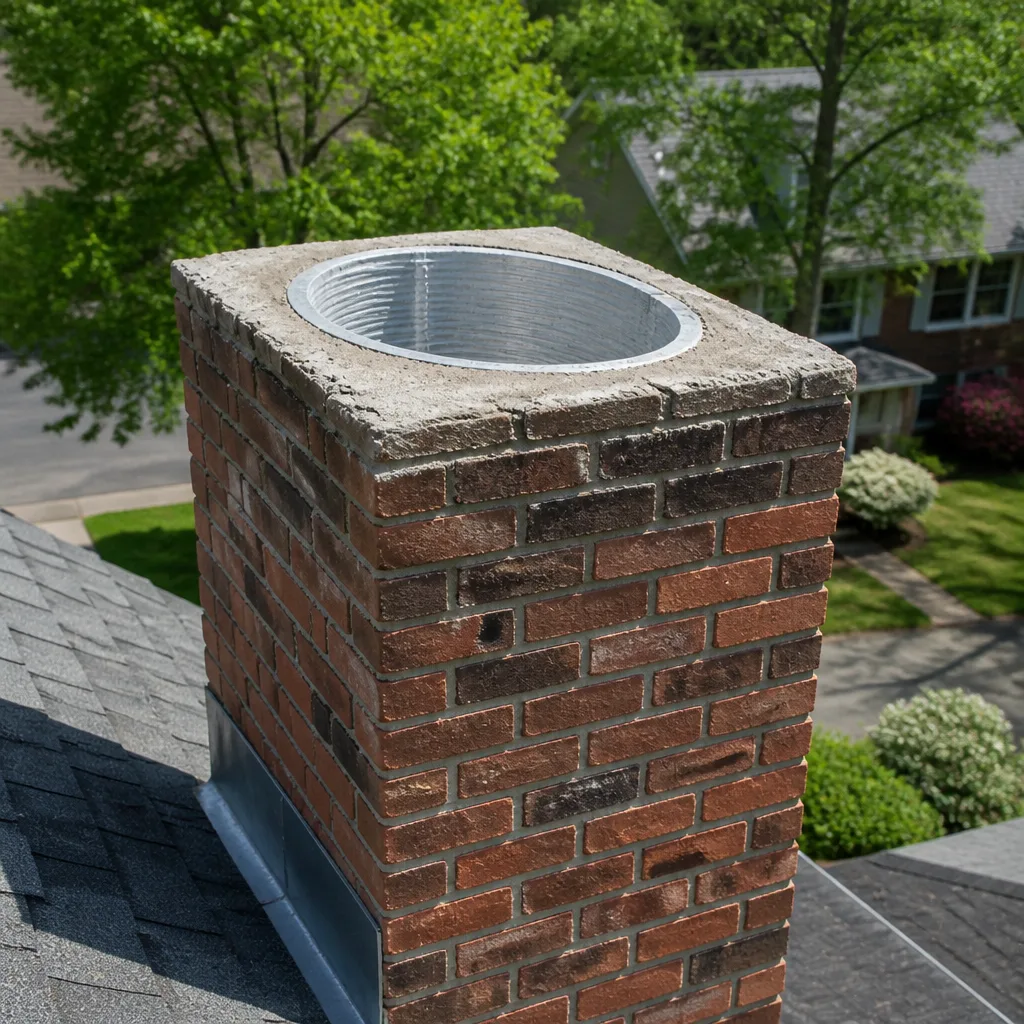 Flue relining
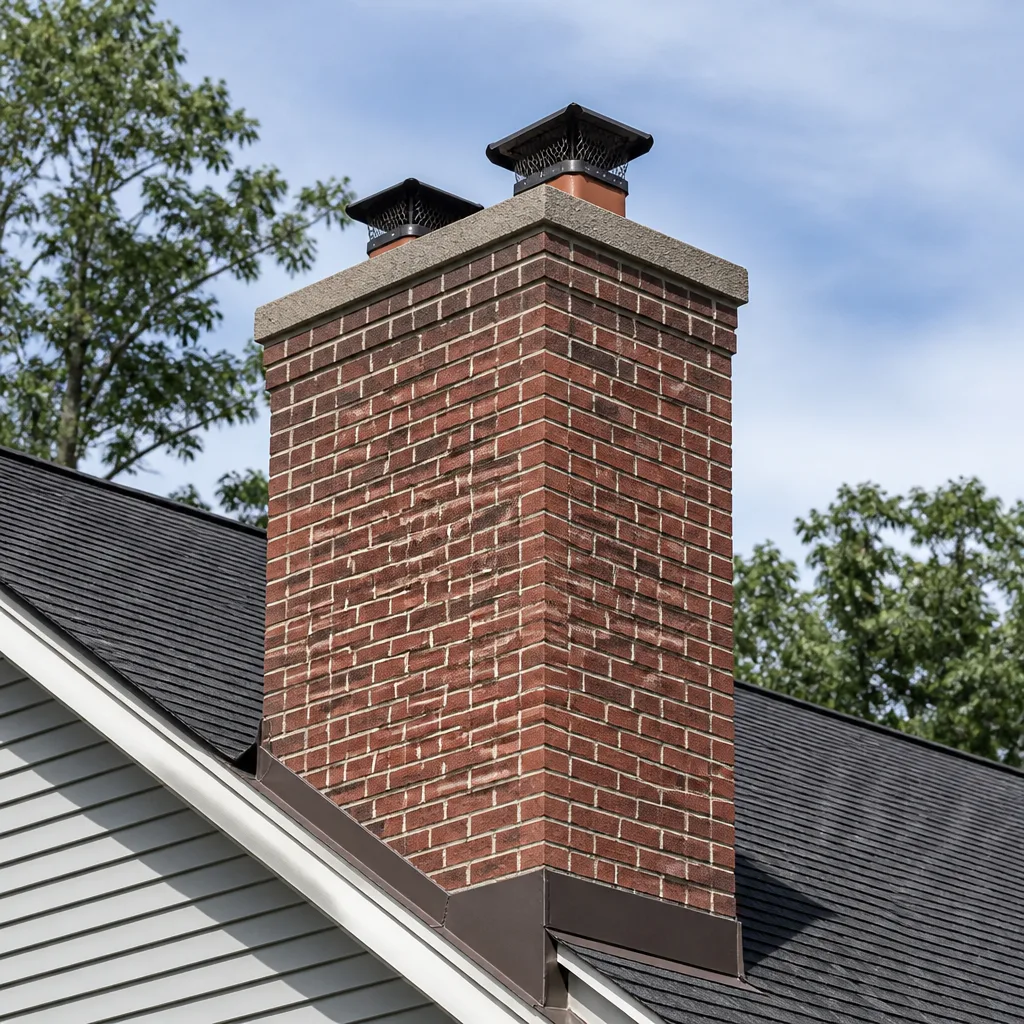 Masonry repair
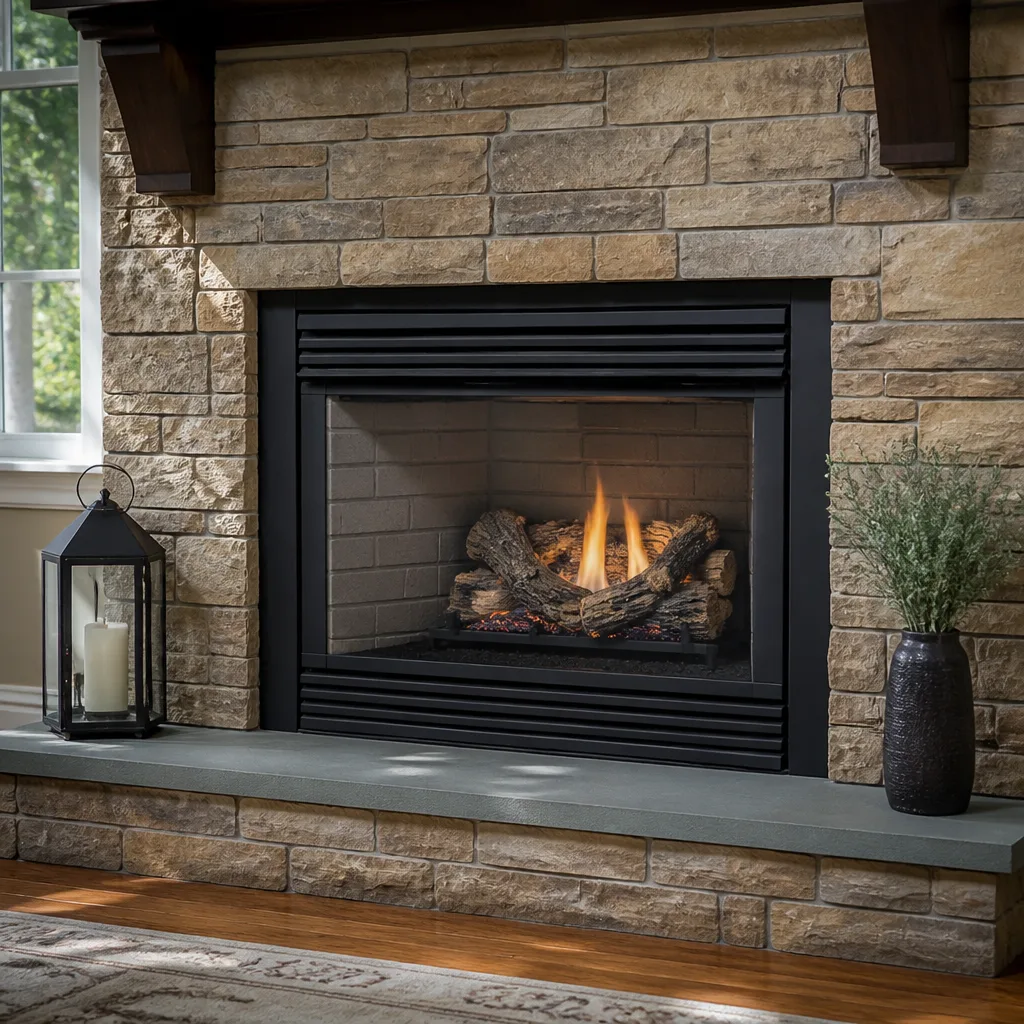 Gas fireplace service
Level 1 sweep and inspection to the NFPA 211 annual standard - flue, crown, cap, and flashing checked and photographed
Chimney sweep logs do not sweep chimneys. They loosen some creosote - which then falls where a brush and vacuum still have to collect it.
Choosing the Right Chimney Cleaning Brand: A Buyer’s Guide for SouthPark
Creosote removal logs sit on the shelf at every grocery store in SouthPark, and they do reduce light deposits. On the glazed, stage-two buildup that actually causes chimney fires, they’re essentially useless. Worse, having one in the firebox gives a homeowner false confidence going into heating season. We’ve seen this pattern often enough to write a buyer’s guide about it. This guide covers how to judge chimney products by the creosote stage they actually address, which waterproofers and caps hold up in Mecklenburg County’s freeze-thaw swings, and what to check in a stainless liner brand before you choose one.
Quick Answer
The right chimney cleaning brand depends on the creosote stage, not the label. Consumer products handle light, flaky stage-one deposits; glazed stage-two and stage-three creosote needs mechanical removal by a trained technician. For masonry protection, choose vapor-permeable waterproofers; for caps, choose stainless or copper rated for local freeze-thaw cycles; for liners, check gauge and seam type. In our experience, application method matters as much as the product.
Styles & brands we work with
- Sweep & inspection
- Caps & crowns
- Flue relining
- Masonry repair
- Gas fireplace service
Table of Contents
- Why Creosote Stage Decides Which Product Works
- Consumer-Grade vs. Professional-Grade Chimney Products
- Waterproofing Sealants and the Vapor-Permeability Rule
- Which Chimney Cap Materials Survive SouthPark Freeze-Thaw Cycles
- What to Check in a Stainless Liner Brand
- Why Application Method Beats Product Choice
- How to Request Specific Brands in SouthPark
- The Brand Roster We Use and Why We Name It
Why Creosote Stage Decides Which Product Works
Creosote isn’t one substance. It’s the name for the residue that wood smoke leaves inside a flue, and it appears in three broad forms depending on temperature and moisture. Each form responds to a different kind of treatment. Until you know which stage is inside your chimney, no product label can tell you whether it will help.
The three stages, from least to most dangerous:
- Stage one: soot and flaky creosote. Puffy, dark ash that brushes off easily. This is where most consumer powders and creosote removal logs work, and where they make sense as light upkeep.
- Stage two: glazed creosote. Hard, shiny, and crusted to the flue wall. A chimney brush skates across it. This is where consumer products fail outright. Removal needs rotary tools or a chemical treatment designed for the job, applied by someone trained to control ventilation during the process.
- Stage three: pyrolytic creosote. Porous, crusted, and prone to igniting. This is the fuel behind most chimney fires. A wood-burning fireplace or insert that gets regular use in SouthPark during heating season can produce this if burns are cool or wood is unseasoned.
The practical lesson is simple. Look up the creosote stage inside your flue before you buy anything. A consumer product designed for stage one tells you nothing about stage two, and a store shelf doesn’t present that distinction. Inspect before you sweep, and repair before you light.
Consumer-Grade vs. Professional-Grade Chimney Products
Hardware store chimney products and professional-grade materials are separated by more than price. Consumer items are formulated for a homeowner performing light maintenance on stage-one deposits. Professional materials are built to be installed by someone who has been trained to use them and understands how they interface with the rest of the system. Comparing them is comparing two different jobs.
Here’s how the two tiers differ in practice:
- Creosote treatments. Consumer products are powders and logs intended for soot and light flake. Professional treatments for glazed creosote use different chemistry, applied with control over ventilation, and are followed by mechanical removal of the loosened deposit.
- Caps and vent components. Retail caps are stamped and sized for the widest market, not for your flue. Professional-grade cap and vent components from brands like Famco and Gelco are chosen to fit the flue opening and rated to hold up outdoors.
- Liner systems. Retail flex-liners exist, but they carry little in the way of documentation and may not be listed for the appliance you have. Professional liners from brands such as DuraFlex come with specified gauge, seam type, and warranty terms you can compare.
- Waterproofing. Consumer sealants are usually marketed for concrete or exterior masonry. Professional formulas for chimney masonry are vapor-permeable by design, which matters for reasons the next section explains.
A hardware store purchase is a reasonable choice for stage-one upkeep. It’s the wrong tool for glazed creosote, a failed crown, or a liner that needs relining.
Waterproofing Sealants and the Vapor-Permeability Rule
Water is one of the biggest causes of chimney damage that isn’t fire-related. Brick and mortar take in moisture through the crown, cap, or masonry itself, and that moisture has to get back out. It escapes as vapor. Seal a chimney with a formula that traps vapor, and the brick stays wet inside, which pushes it toward freeze-thaw damage, spalling, and efflorescence. That’s why vapor permeability is the first property to check in a waterproofing product.
Consumer sealants are often not clear on this. Some behave like a plastic film over the masonry, sitting tight and looking good for a season or two. A professional vapor-permeable formula lets moisture escape while blocking new water from entering from outside. The two goals are not in conflict, but only the permeable products meet both.
Chimney masonry in Mecklenburg County goes through regular freeze-thaw cycling each winter. A trapped-moisture sealant costs you seasons compared with a breathable one. The right sequence is to repair before you seal. A waterproof coating over a cracked crown or failing mortar seems to protect it and doesn’t. When it comes to the structural layers, fix the defect first, then protect the sound masonry underneath.
Which Chimney Cap Materials Survive SouthPark Freeze-Thaw Cycles
Caps are exposed to the worst of it: rain, sun, and the freeze-thaw swings that hit the Charlotte area each winter. Material choice does more than styling. The wrong cap starts to corrode, loosen, or sag well before its warranty period ends. Where a cap sits over a masonry flue in SouthPark, the cap that keeps out rain and keeps in animals is the one worth choosing.
How the common materials behave:
- Galvanized steel. The cheapest option and the shortest lifespan. Galvanized coatings break down over time, and the moisture cycle at a chimney top speeds that along. It will do in a pinch but will need replacing.
- Stainless steel. Holds up well to freeze-thaw cycling and moisture. Grade matters, and a stainless cap with a well-fitted frame tends to last far longer than its galvanized counterpart.
- Copper. The longest lifespan and the most weather-resistant, with a price to match. A reasonable choice when you want the cap to be the last thing you think about for years.
- Cast aluminum and coated materials. Fit well on some prefabricated systems but can corrode faster than the warranty implies.
The other half of the decision is fit. A poorly sized cap invites wind-driven rain, birds, and squirrels. Proper measurement of the flue opening comes before material selection. chimney cap & crown work is where prevention and protection meet, which is why we do both under one specialist.
What to Check in a Stainless Liner Brand
Liner choice is the single most consequential product decision a homeowner makes short of structural repair. The liner is the flue wall the smoke and heat actually touch. A liner that’s right for the appliance, the fuel, and the flue means the chimney works as designed. Getting it wrong is why some liners fail within a few heating seasons.
Three things to look at in a stainless liner:
- Gauge thickness. Thicker is generally better. The gauge should match the application and the appliance. A liner installed for a wood-burning insert has different requirements from a flue liner for a gas appliance. A brand that doesn’t specify gauge clearly in its literature is telling you something.
- Seam type. A continuous, well-engineered seam holds up where a light butt seam can flex or open over time. The seam should be built for the movement the liner will see as the chimney heats and cools.
- Warranty terms that reflect performance. A warranty is a signal of confidence, and a serious brand states the term and the conditions in plain language. Compare warranties side by side and read what voids them.
DuraFlex flexible liners are what we use, and the reason isn’t habit. They’re a professional-grade system with a documented specification you can check for yourself. A homeowner in SouthPark can read the gauge, seam, and warranty before signing off.
Why Application Method Beats Product Choice
The right product applied the wrong way causes more damage than no treatment at all. We’ve seen this in our experience on more than one job. A vapor-sealing formula applied over masonry that’s still damp traps moisture inside. A hasty brush job on glazed creosote just glosses it over. A liner sized one inch too small for the appliance chokes the draft. The product label doesn’t fix any of that.
Three rules pull application back into focus:
- Inspect before you apply anything. The standard sequencing, recommended by the CSIA, is inspection first. An inspection identifies the creosote stage, the condition of the flue, and any cracks or joint failures in the masonry. Those results decide which product applies and where. chimney sweep work follows, not substitutes, the inspection.
- Prepare the surface, then apply. Glazed creosote has to be physically removed or treated and removed. Sealant goes on sound, dry masonry. A liner needs an airway behind it. Skipping the prep is what makes a good product fail.
- Match the product to the appliance and the flue. A wood-burning insert, a masonry fireplace, and a prefabricated system each have their own requirements. The right answer is the one selected third, after inspection and surface prep.
Application method is where a specialist earns their keep. It’s also the reason we can say plainly when work can wait. If a flue is at stage one and sound, we’ll tell you so.
How to Request Specific Brands in SouthPark
You don’t have to rely on the installer’s default. In SouthPark, asking for a specific brand is reasonable, and a specialist should be able to either confirm they use it or explain why another option fits. It’s also how you keep control of what goes into your home and the value tied to it.
A workable request sequence:
- Start with an inspection. An inspection is a standalone service, and the results drive every material decision after it. Ask for the findings and the condition of the flue.
- Ask for brand names in the quote. Request the specific liner, cap, crown, and sealant brands in writing. A quote that says “stainless cap” without a brand isn’t enough to compare.
- Check the specification. Read up on the gauge, seam, and warranty of the liner brand named. If the quote uses a phrase like “professional-grade” without a name, ask for the name.
- Confirm the sequence. A good quote tells you what stays, what’s replaced, and in what order. Sealing a masonry wall is the last step, not the first.
We keep the brand names on the quote because we want you to be able to look them up. Nobody should have to take “professional-grade” on faith.
The Brand Roster We Use and Why We Name It
We stock and install products from a curated roster of chimney industry brands: DuraFlex, HeatShield, Gelco, Olympia Chimney, Famco, and Copperfield. Each brand covers a specific part of the system. Naming them lets you check quality yourself, and that’s the point.
Where each earns its place:
- DuraFlex for flexible stainless liner systems, the industry standard for relining aging or damaged flues.
- HeatShield for liner restoration. This is a proprietary system requiring specialized training, and it restores a flue rather than only replacing it, which most generalist handymen can’t do.
- Gelco and Famco for professional-grade vent and cap components that are usually not available through retail channels.
- Olympia Chimney and Copperfield for the remaining liner and cap work as a job requires.
None of this replaces deciding what your chimney actually needs. It means that when a repair is needed, the products we use are ones you can research before saying yes. Our technicians have up to 8 years of experience. If the job calls for fireplace repair as well as the flue, that’s the same visit.
Common Mistakes to Avoid
- Treating glazed creosote with a grocery store log. A removal log is designed for stage-one deposits. Expecting it to clear stage-two glaze is where false confidence sets in. Look at the flue before buying anything.
- Buying a waterproofing sealant without checking vapor permeability. A trapped-moisture sealant can make freeze-thaw damage worse, and the label rarely makes the property obvious.
- Replacing a cap without measuring the flue opening. A cap that doesn’t fit lets in water and animals no matter how good the material is.
- Choosing a liner on price alone. Gauge thickness and seam type are what hold a liner together through heating season in SouthPark. A quote that doesn’t mention either is one to question.
- Applying a sealant before the cracks are repaired. Coating over a failing crown or cracked mortar looks like progress. It’s a delay that can cost a season.
- Skipping the inspection. Every material choice in this guide depends on the inspection results. Buying a product before an inspection is guessing.
- Accepting “professional-grade” without a name. A brand name is checkable. A claim isn’t.
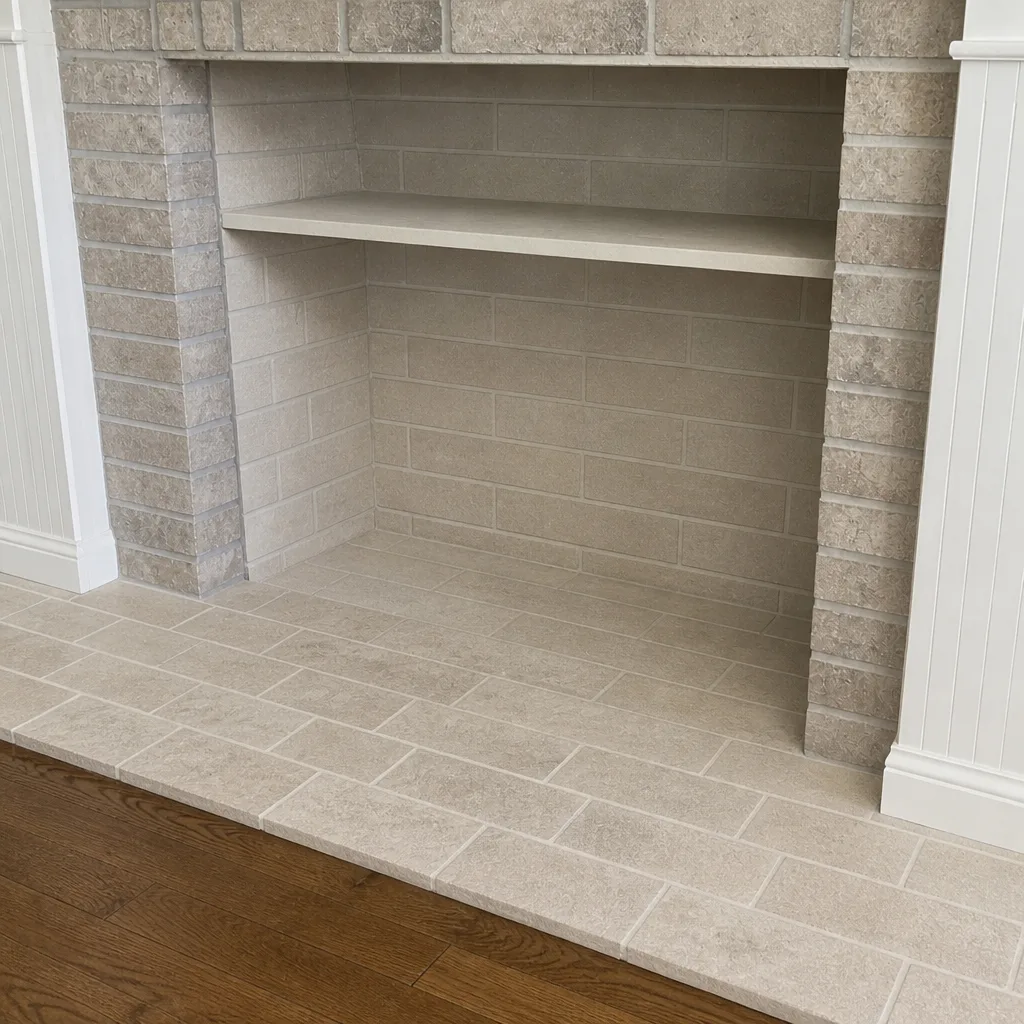
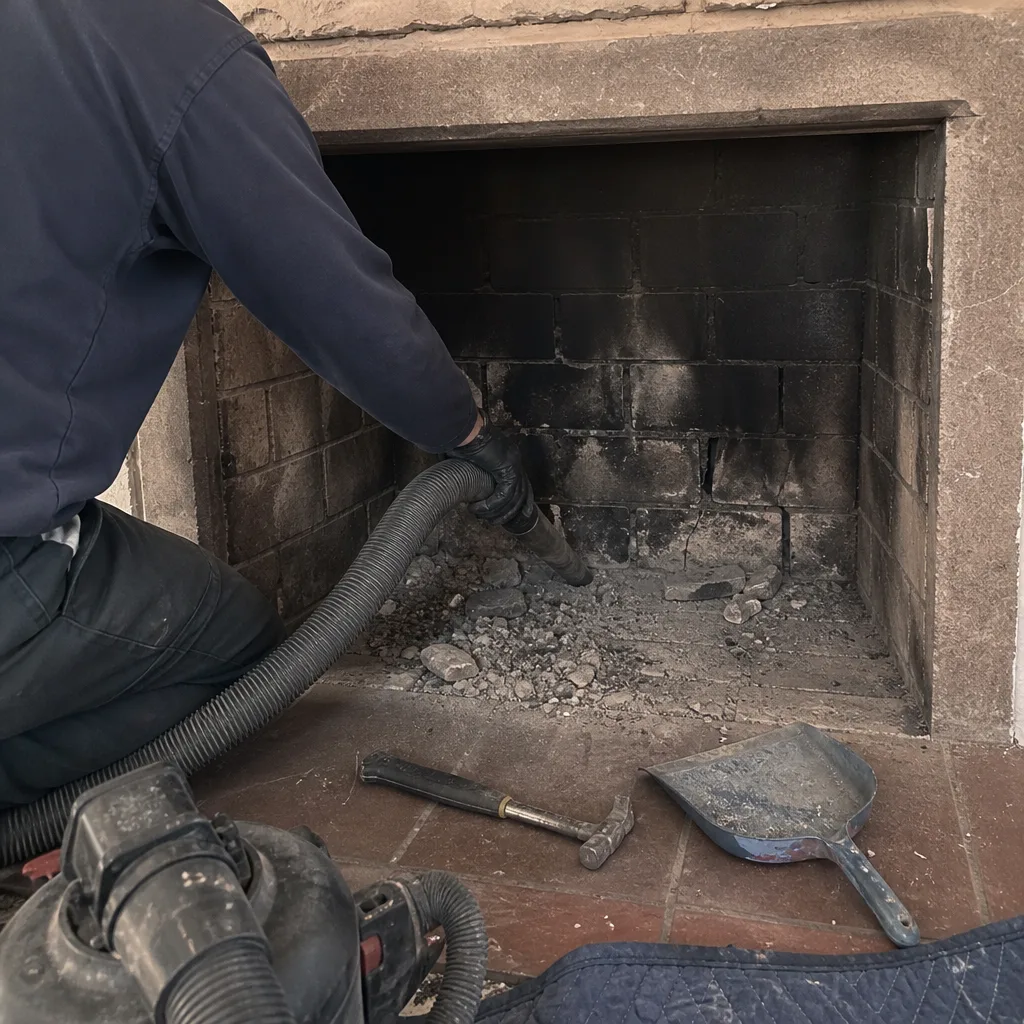
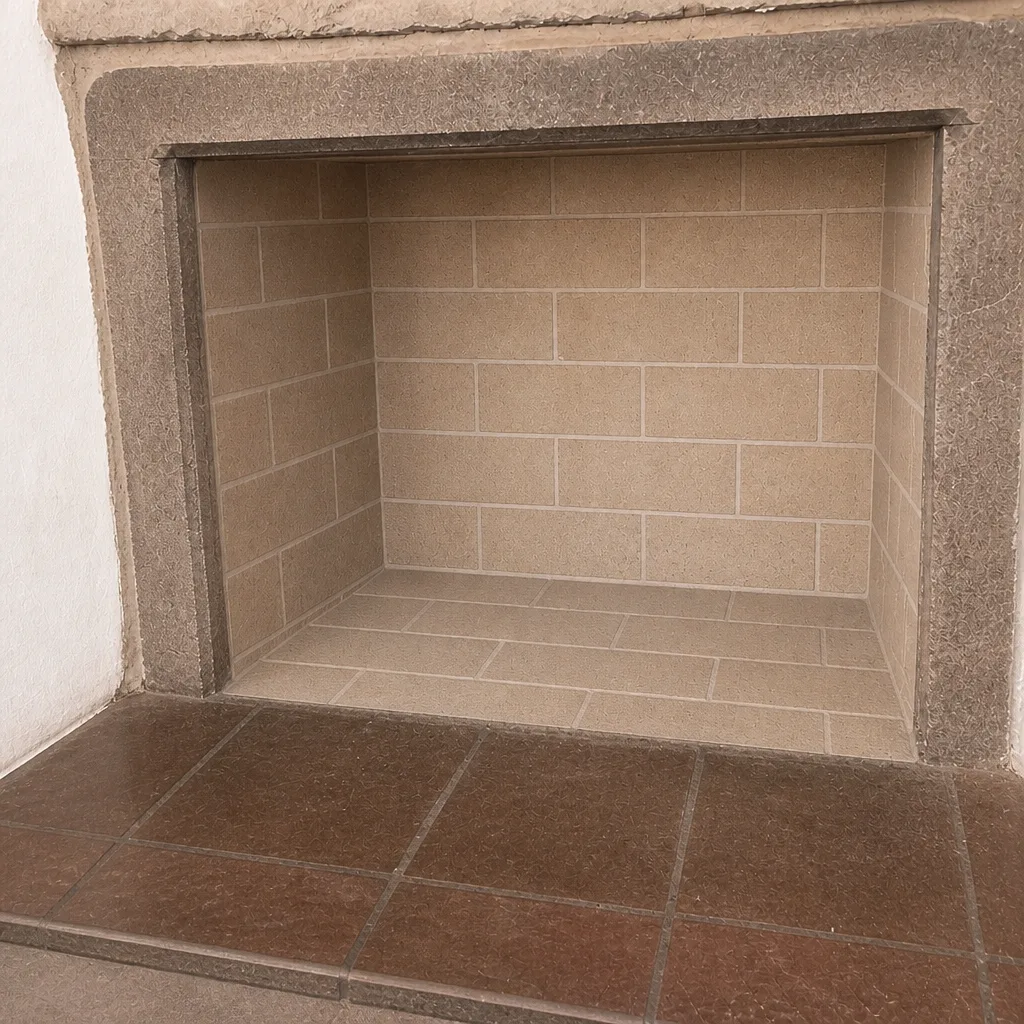
See the difference
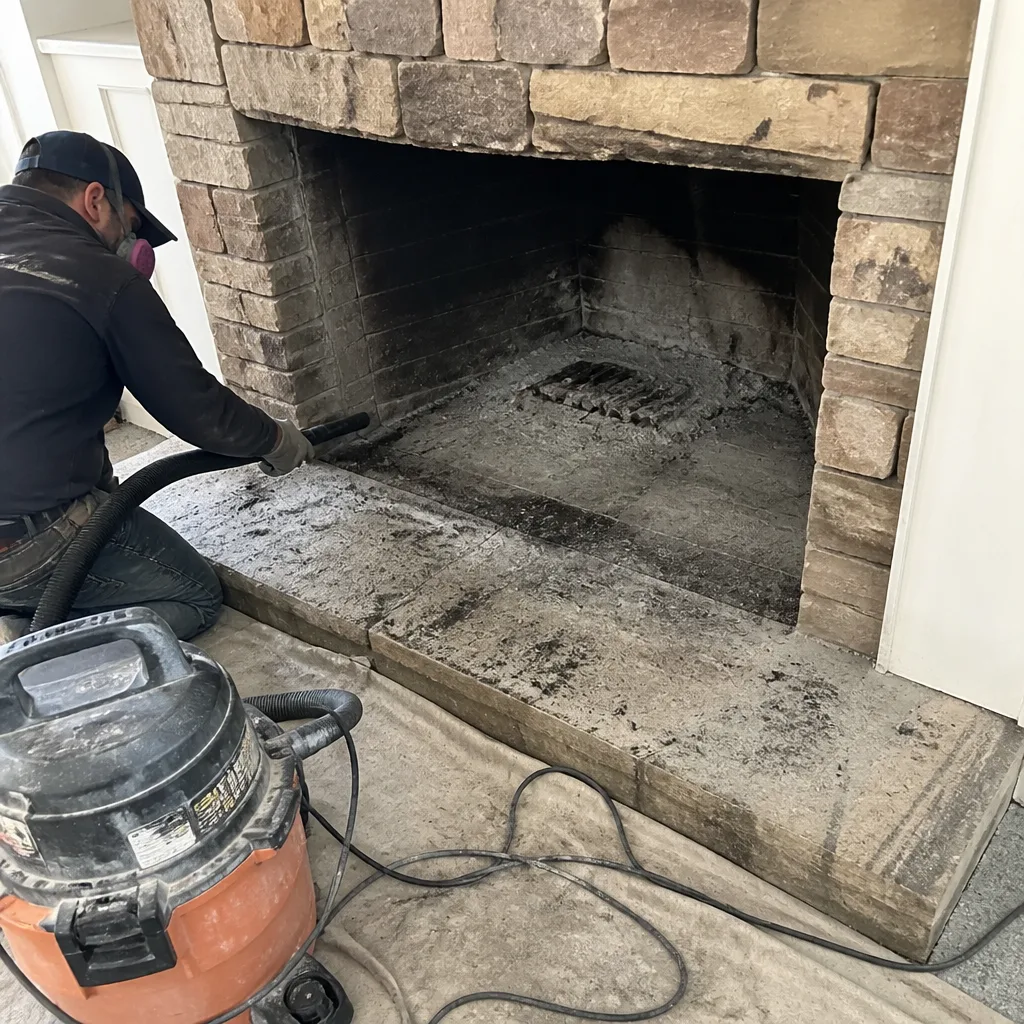 Before
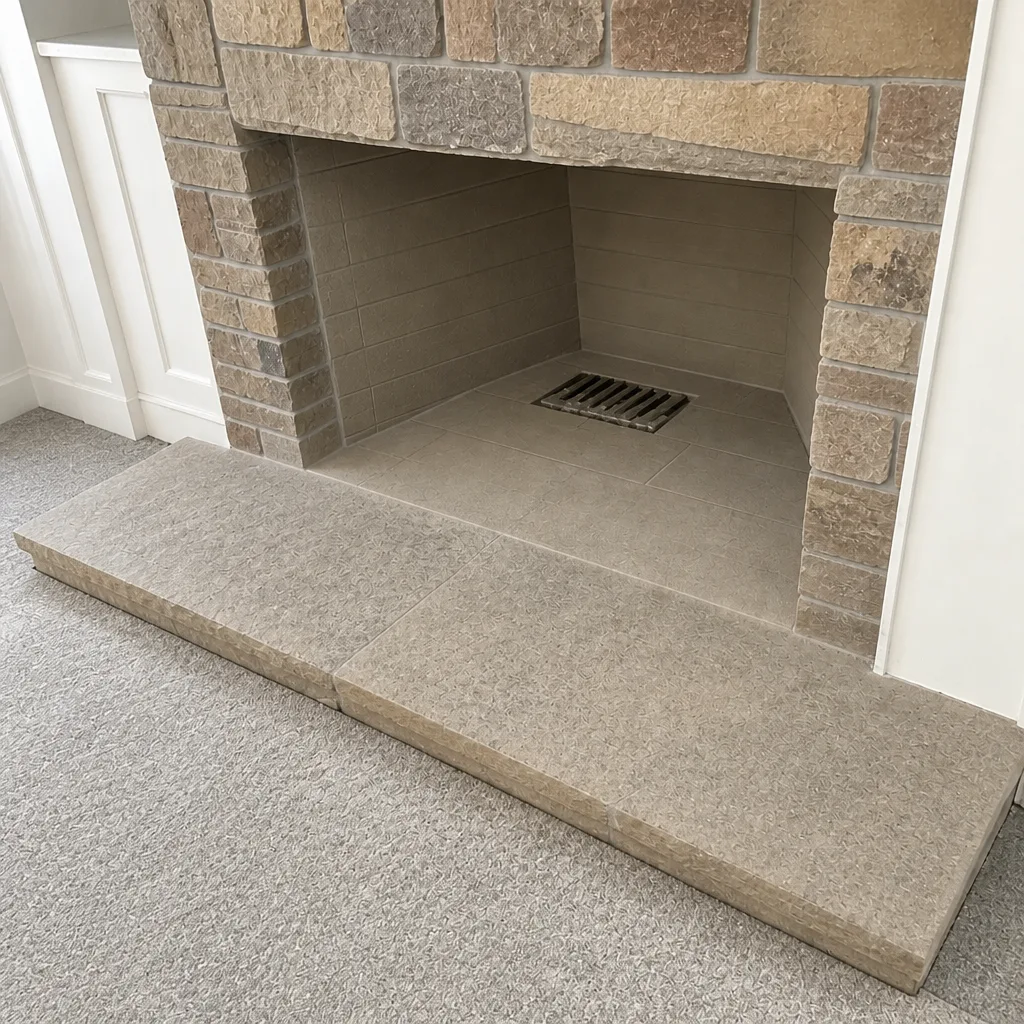 After
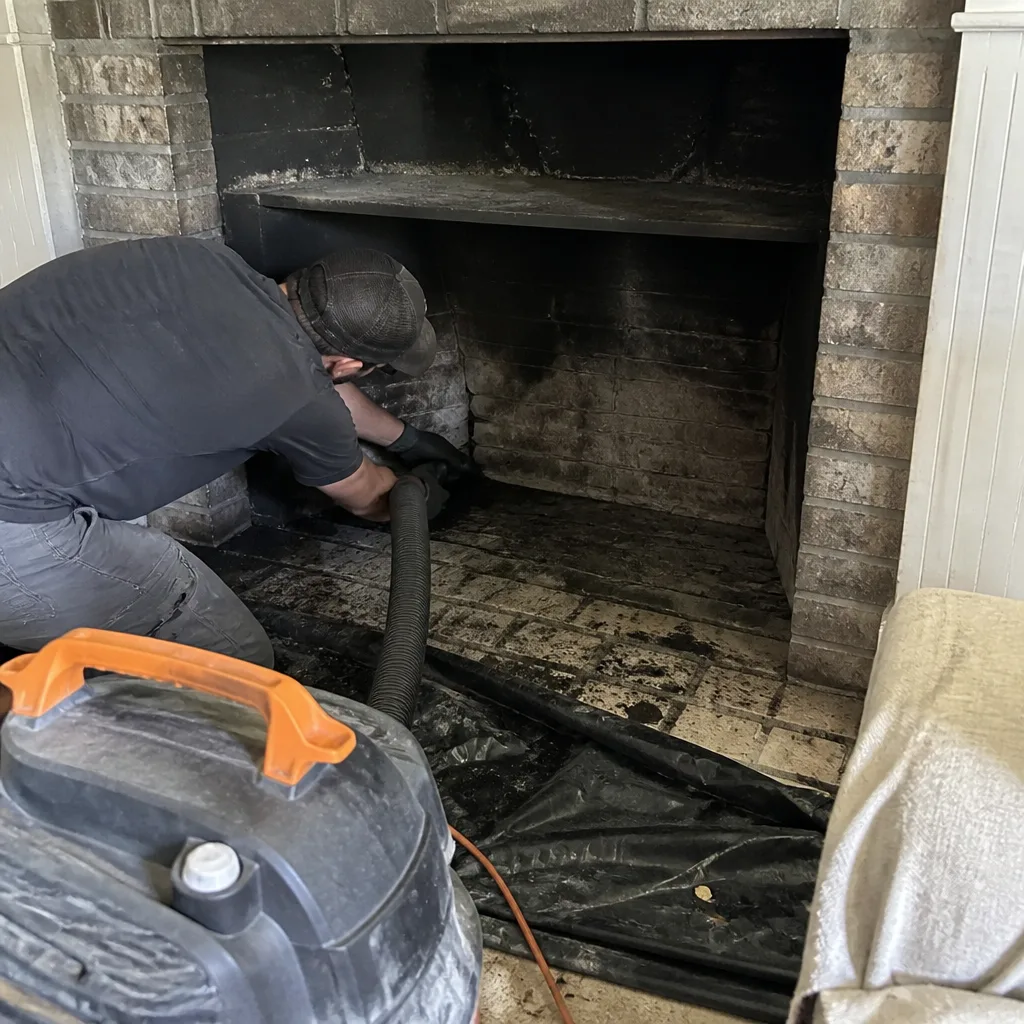 Before
 After
 Before
 After
When to Call a Professional
Some of this is safe to do yourself. Read labels, confirm brands, measure your flue opening before replacing a cap. The work that changes with the stakes is everything inside the flue. A glazed creosote removal, a line restoration, a liner install, and a crown repair all sit beyond what a homeowner can safely or reliably do. Creosote removal at stage two involves real mechanical force and ventilation control. Liner installation depends on the gauge and fit being right. Crown work depends on the masonry being sound. Call us when the inspection results show a stage beyond one, when the crown or cap needs replacement, or when a flue needs relining. Chimney Sweep SouthPark offers free estimates in SouthPark. Call (855) 425-6201. We answer 24/7. Fast dispatch from 7am to 7pm, Sunday through Friday.
Frequently Asked Questions
A standard chimney sweep is typically quoted as a flat price for the job, agreed before booking, and the written estimate sets the final number. The price depends on the flue configuration and whether an inspection is included. Call (855) 425-6201 for an exact quote. Estimates are free.
They work only on stage-one, flaky deposits and do nothing meaningful to glazed stage-two creosote, which is the kind that fuels chimney fires. They’re fine as light upkeep on a well-maintained flue. They are not a substitute for inspection and mechanical removal when the flue has glazed deposits.
A common rule of thumb is annually, more often with heavy wood-burning use. The reliable guide is a visual check by a trained technician before each heating season. Inspect before you sweep, then sweep when the inspection says the deposit is heavy enough.
Stainless steel and copper outlast galvanized steel through freeze-thaw cycling. Galvanized coatings break down in the moisture cycle at a chimney top. Fit matters as much as material, so measure the flue opening before you buy.
Yes, if it traps moisture. A vapor-permeable formula lets moisture escape while blocking water from entering. A trapped-moisture sealant keeps the masonry wet inside during freeze-thaw cycles, which damages it faster than leaving it unsealed.
That depends on the condition of the flue, which an inspection determines. Some flues can be restored with HeatShield rather than fully relined with a DuraFlex system. The inspection results and the camera evidence should be shown before any decision. Call (855) 425-6201 for a free estimate.
Yes. Ask for the brand names in the written estimate and confirm the gauge, seam type, and warranty on any liner. A specialist should be able to confirm the brand and explain what fits the flue and the appliance. Estimates are free.
The Bottom Line
Product choice doesn’t work without inspection. Creosote stage determines which cleaning product can work, vapor-permeable sealant protects masonry and trapped-moisture sealant harms it, cap and liner materials should hold up to SouthPark’s freeze-thaw swings for the full warranty period, and application method changes the outcome as much as brand. You can request specific brands in writing and should. Everything here starts with a look inside the flue. Chimney Sweep SouthPark provides the inspection, the sweep, and the repair under one specialist, so the diagnosis, the material, and the install don’t get lost between visits.
If you’d rather someone with training look before you buy, that’s what we do. Call (855) 425-6201 for a free estimate. We answer 24/7. Fast dispatch from 7am to 7pm, Sunday through Friday.
Written by the team at Chimney Sweep SouthPark.