
Last updated November 22, 2026
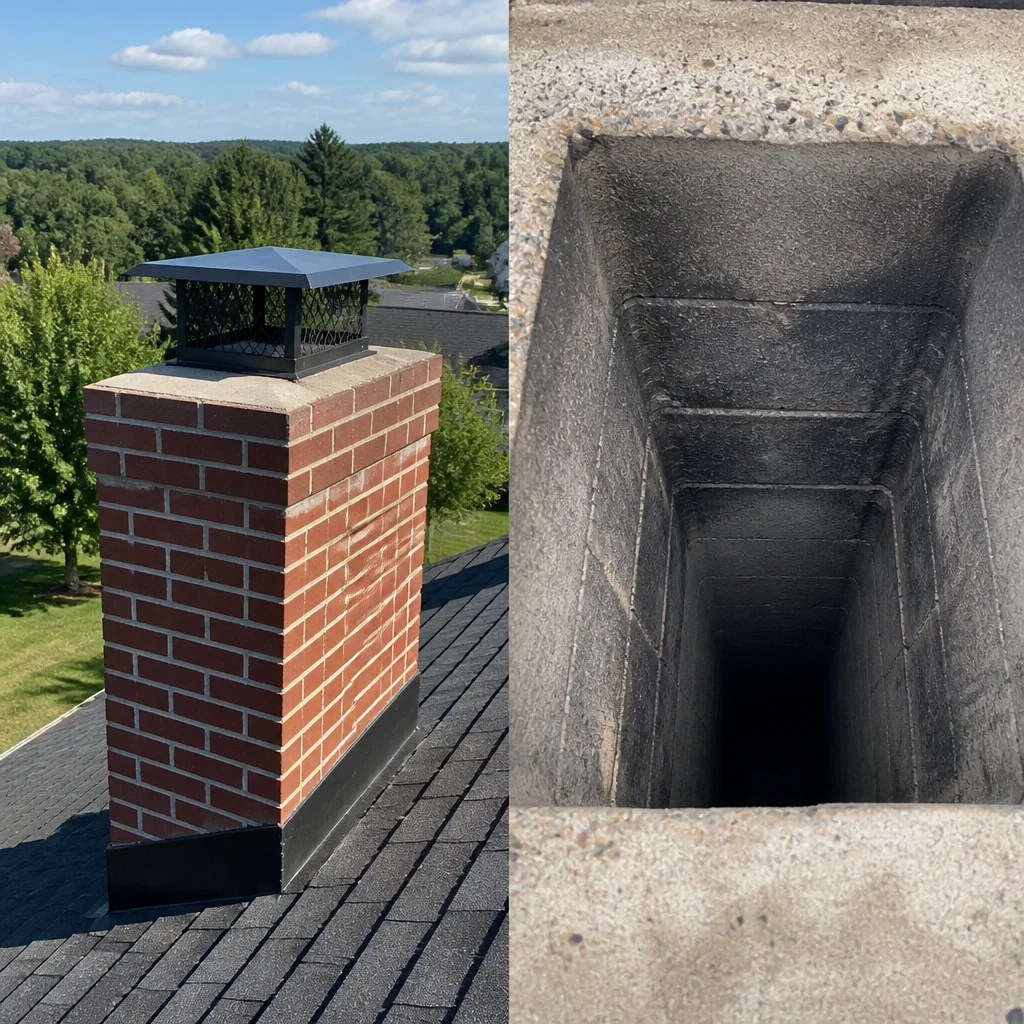 Sweep & inspection
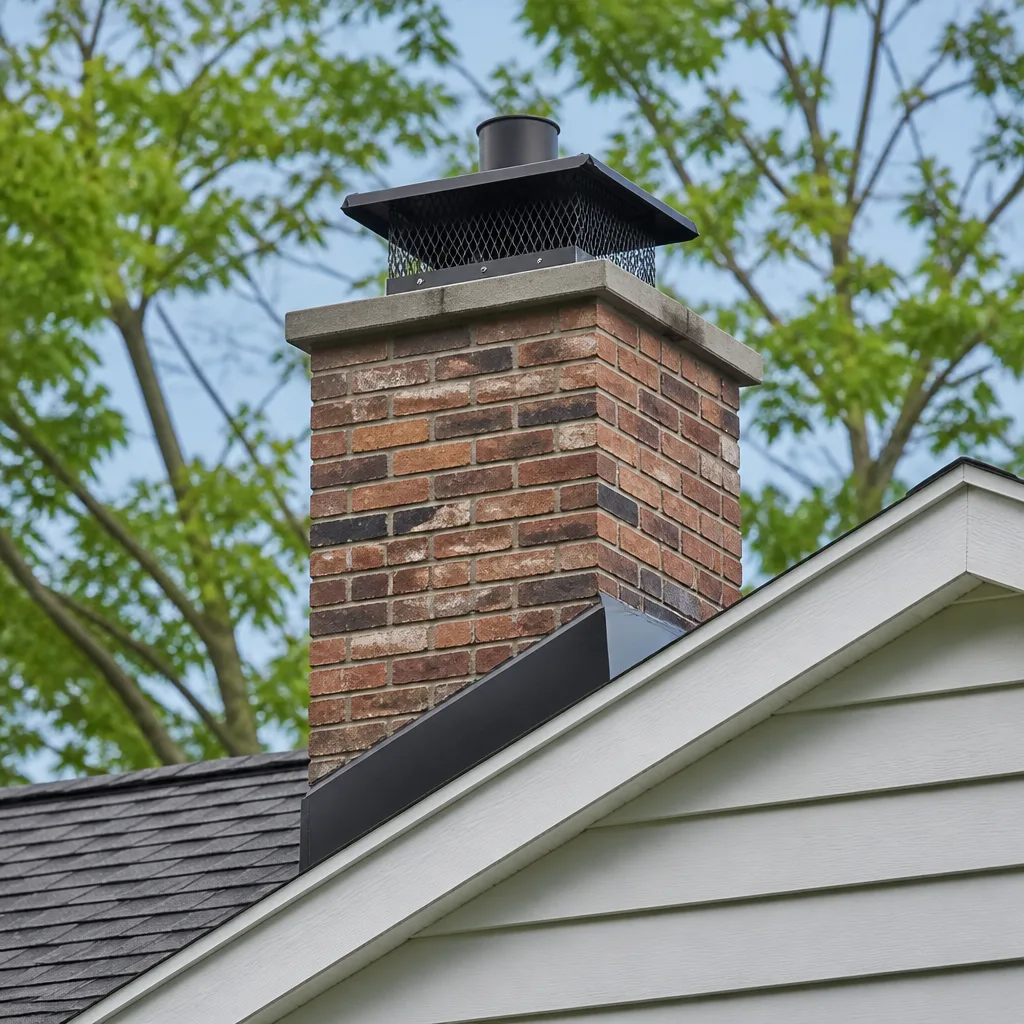 Caps & crowns
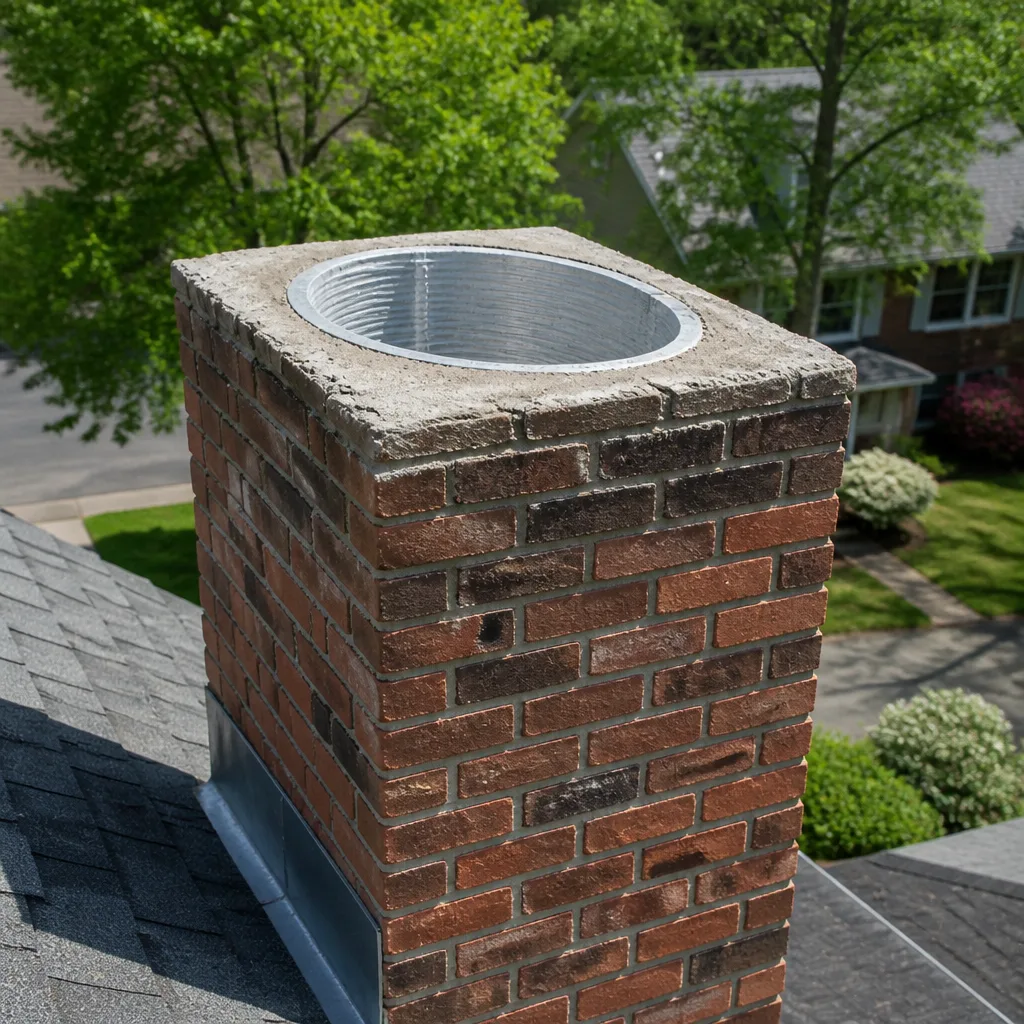 Flue relining
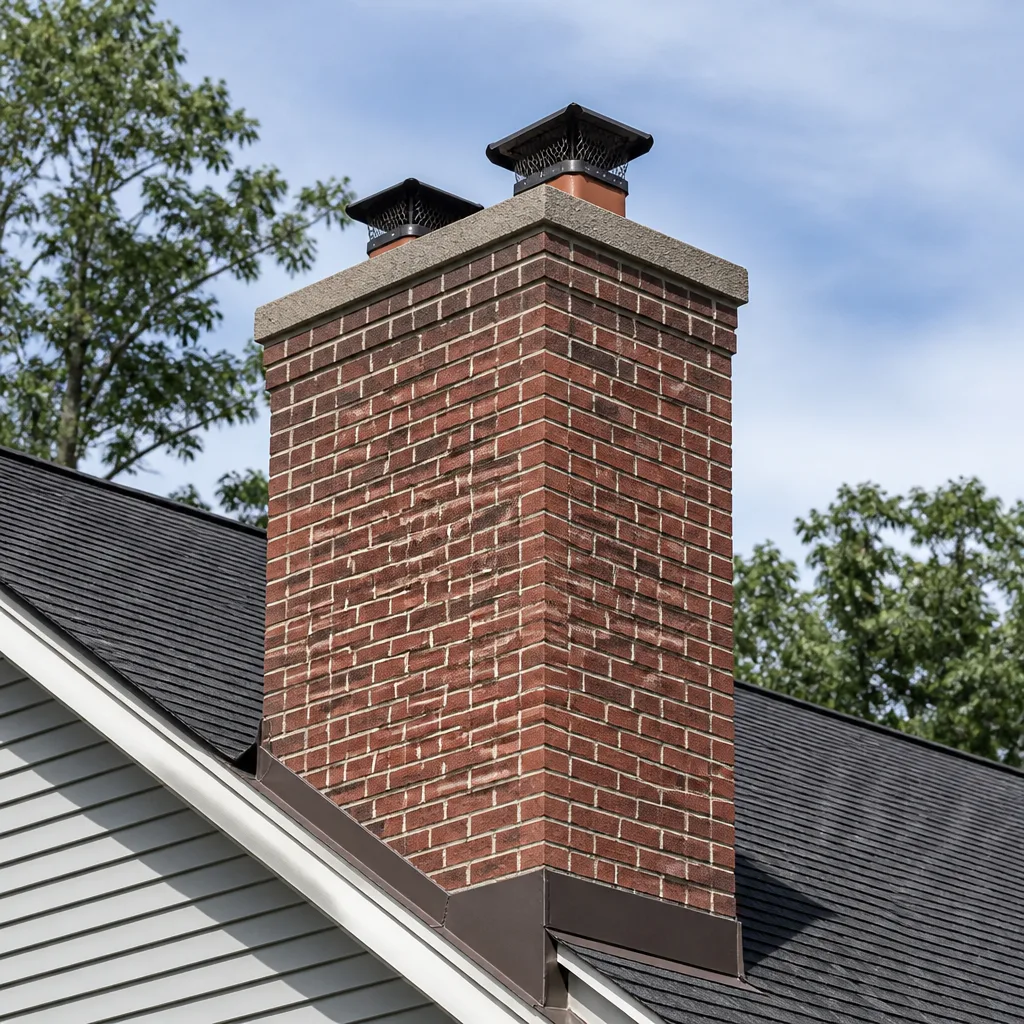 Masonry repair
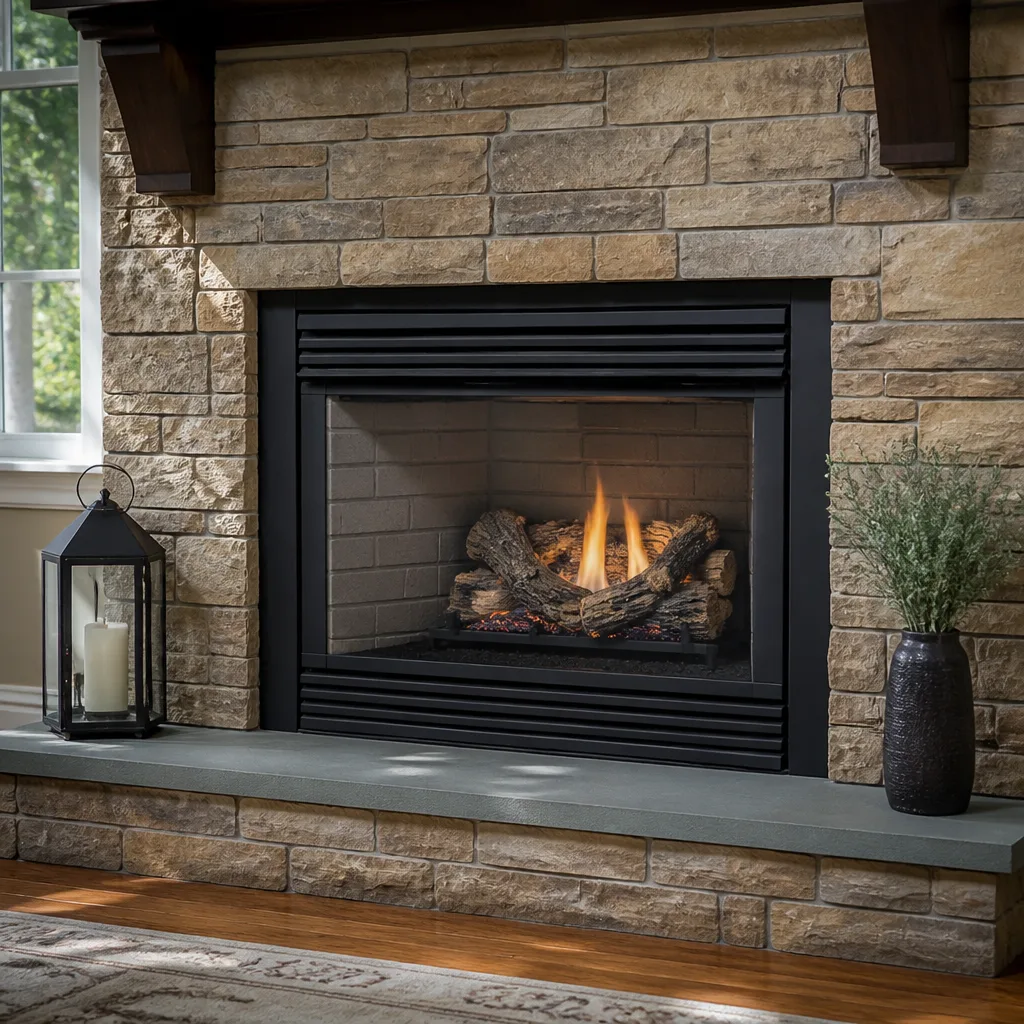 Gas fireplace service
Level 1 sweep and inspection to the NFPA 211 annual standard - flue, crown, cap, and flashing checked and photographed
Chimney sweep logs do not sweep chimneys. They loosen some creosote - which then falls where a brush and vacuum still have to collect it.
Chimney Cleaning Warning Signs: A SouthPark Homeowner’s Reference Guide
Most warning-sign lists hand you the dramatic stuff: a roaring chimney fire, a wall of smoke in the living room, creosote stacked like tar. Those matter. But by the time any of them shows up, the damage has usually been building quietly for months or longer. A white stain on exterior brick isn’t cosmetic. It’s efflorescence, and it means water is already moving through your masonry. This guide covers the earlier, subtler indicators SouthPark homeowners can actually see and hear before anything fails: what appears outside, what changes inside during a fire, and which two signs mean stop using the fireplace today rather than booking something for later.
Quick Answer
The most reliable chimney warning signs in a SouthPark home are white staining or crumbling on exterior brick, a cracked crown, a rusted cap, slow or reversing draft, a persistent smoky smell, and ticking or popping sounds during a fire that don’t stop as the chimney warms up. Two signs mean stop using the fireplace immediately and call before scheduling anything: a complete backdraft that pushes smoke into the room, and any smell of smoke or exhaust inside the house after the fire is out. Everything else can usually be inspected first and repaired as the evidence dictates.
Styles & brands we work with
- Sweep & inspection
- Caps & crowns
- Flue relining
- Masonry repair
- Gas fireplace service
Table of Contents
- Exterior Warning Signs You Can Spot From the Yard
- Interior Signs During a Fire, Sorted by Severity
- Why a Clean Firebox Can Still Hide a Dangerous Liner
- Normal Settling Sounds Versus Sounds That Mean Trouble
- The Two Signs That Mean Stop Using the Fireplace Now
- How a Professional Assessment Actually Works
- How Often to Schedule in SouthPark
- The SouthPark Burning Season Calendar
Exterior Warning Signs You Can Spot From the Yard
Walk out to the driveway and look up before you ever light a match. A surprising share of chimney problems announce themselves on the outside of the house months before they show up inside the firebox. This is the layer of the system SouthPark weather works on hardest, and it’s the layer most homeowners never actually look at.
Start with the brick. Efflorescence is the chalky white bloom you’ll see on masonry near a chimney. It isn’t cosmetic. It’s mineral salts pushed to the surface by moisture migrating through the brick, which means water is getting in somewhere and traveling through the wall. By the time the stain is visible, that movement has usually been going on for a while behind the surface. Spalling is the next stage: the faces of the bricks flaking off or popping loose in sheets. Thin brick faces and crumbling mortar joints are what happens when masonry stays wet through enough freeze-and-thaw cycles.
Then look at the top of the structure:
- The crown. That concrete slab on top is what sheds water away from the flue. A hairline crack is ordinary wear. A crack wide enough for a fingernail, or a crown pulling away from the flue, sends water straight down inside the chimney.
- The cap. A rusted or missing cap lets rain, birds and debris into the flue. Rust streaks running down the exterior are a sign the cap has given up.
- The flashing. The metal where the chimney meets the roof should be tight and sealed. Lifted edges or missing sealant let water in at the roofline, which is where a lot of interior staining begins.
- The flue tile. From the ground, a cracked or spalling flue tile at the very top is sometimes visible. If you can see it, it’s worth a look inside.
None of these require panic. They do require a professional eye. Water damage is the slowest, most expensive problem a SouthPark chimney develops, and it always starts with something visible from the yard.
Interior Signs During a Fire, Sorted by Severity
What happens when you light a fire tells you a lot about the health of your chimney, and the signs sort neatly into three levels. Pay attention to which one you’re in.
Mild: slow draft and a faint odor. A fire that’s sluggish to catch, smoke that curls back into the room before it draws up, or a faint smoky smell on a cold morning. A little of this on a cold start is normal. A persistent slow draft, or a smell that lingers long after the fire is out, points to a blocked or partially restricted flue, a failing cap, or a buildup of creosote narrowing the passage. Worth an inspection, not an emergency.
Moderate: persistent smoke and visible creosote. If smoke rolls into the room during the whole fire rather than just at startup, or you can see a heavy, glossy, tar-like coating when you look up the flue, the system is telling you it’s restricted. Glossy creosote is the kind that fuels chimney fires. Stop burning regularly until it’s been assessed.
Severe: complete backdraft and smoke after the fire. When the fire won’t draw at all and the room fills with smoke, the chimney isn’t venting. That’s the point where you open a window, put the fire out, and stop using the fireplace until someone looks at it.
These levels hold true across SouthPark whether you’re running a masonry fireplace in a Foxcroft home or a wood-burning insert in a townhome near Sharon Corners. The severity is the same; only the fix differs.
Why a Clean Firebox Can Still Hide a Dangerous Liner
A spotless firebox is reassuring and completely uninformative. It tells you nothing about the flue behind it. In our experience, the liner is where the real story hides, and it’s the part you can’t see without a light and a camera. A fireplace can look immaculate inside the room while the tile liner behind the wall is cracked, spalled, or separated at the joints.
Here’s why that matters. The liner is what contains the heat and byproducts of combustion and carries them safely up and out. A crack in a clay tile liner, or a joint that’s pulled apart, gives heat and gases a path into the surrounding masonry and framing. That’s how chimney fires start inside walls rather than in the flue. Aging clay tile is common in older SouthPark homes, and prefabricated systems have liner issues of their own as their components wear.
So when you talk to a technician, ask specifically what to check. A thorough assessment covers:
- The condition of the liner, top to bottom, viewed with a camera and not just from the firebox.
- Whether tile joints are tight and intact, or whether there are gaps, cracks or spalling.
- Creosote buildup and its stage, since glazed creosote behaves differently from soot.
- Clearance between the flue and any combustible material.
- The cap, crown and flashing, checked from the roof as well as the ground.
When a liner needs work, professional-grade materials matter. DuraFlex flexible liner systems are the industry standard for relining an aging or damaged flue, and HeatShield liner restoration is a specialized process that rebuilds a clay liner from the inside without tearing into the masonry. Both are worth asking about by name so you can research them yourself before you commit to anything.
Normal Settling Sounds Versus Sounds That Mean Trouble
Chimneys talk. Metal and masonry expand as they heat and contract as they cool, and a certain amount of ticking and creaking is just the system doing what it’s designed to do. The trick is separating that ordinary noise from the sound of a problem.
Normal: light ticking or pinging that starts as the fire warms up and fades as the chimney reaches temperature, or soft creaking during cooldown. This is expansion and contraction at work across the metal components, and it’s expected.
Not normal: loud popping, cracking or clanking that continues well after the chimney has warmed up. Popping can signal a damaged liner. A loose metal component in a prefabricated system can rattle or bang. Grinding or scraping sounds can mean a piece of the cap or flue has come loose and is moving in the draft.
Even more telling than sound is what you feel and see. Draft that gets weaker over a season, soot falling into the firebox, or a rattle from above when the wind blows are all worth a look. If a noise is new and it doesn’t settle down once the fire is established, treat it as a reason to have the system inspected. An inspection is a standalone service and the diagnostic step that should come before any cleaning or repair.
Ask specifically whether your technician will check the liner with a camera. A sweeper who only looks from the firebox down is only seeing half the system.
The Two Signs That Mean Stop Using the Fireplace Now
Most warning signs mean “schedule an inspection soon.” Two mean “stop, today.” Learn to tell the difference, because waiting on these two is how small problems turn into dangerous ones.
Sign one: a complete backdraft. The fire won’t draw, and the room fills with smoke no matter what you do. This means combustion gases are coming into the room instead of going up the flue. Open a window, put the fire out, and don’t relight it. This is not a “schedule for next week” situation.
Sign two: smoke or exhaust smell inside the house after the fire is out. If the fire has burned down and you still smell smoke, exhaust or a fuel odor in the living space, gases are escaping where they shouldn’t. That’s the same call: stop, ventilate, and get it looked at before the next fire.
Every other sign in this guide, from efflorescence to a slow draft to ticking that won’t settle, can go through the normal route: book an inspection, see the evidence, and decide together what to do. What you should never do is assume a problem is small because the fire still lights. Chimneys don’t fail loudly. They fail quietly and then all at once.
When you do call, call it a stop-use inspection rather than a routine clean. That’s a different visit than a scheduled maintenance sweep and worth saying plainly. If it’s outside our dispatch hours, your call is booked into the next opening.
How a Professional Assessment Actually Works
Knowing the sequence removes the guesswork, and it tells you what a good visit looks like compared with a rushed one. Here’s how a proper assessment in SouthPark runs.
- Inspection first. A thorough inspection is the starting point, and it’s the diagnostic foundation that should come before any cleaning or repair. Expect a camera inspection of the flue and a look at the exterior: crown, cap, flashing and brick.
- The findings. A good technician walks you through what was found, with photos, in plain language. You should be able to see what they’re describing.
- The sweep. Cleaning follows the inspection, so the technician knows what they’re dealing with before running a brush up a potentially damaged flue.
- The repair recommendation. Only after the sweep and the inspection does anyone talk about repair, and the recommendation should be grounded in what the camera showed.
- The materials. Any repair should use professional-grade components. Ask what’s being used. DuraFlex, HeatShield, Olympia Chimney, Famco and Copperfield are all product lines worth knowing by name.
- The restore. From the crown and cap down to the firebox, repairs should address the whole system rather than one symptom.
That sequence protects your wallet as much as your safety. Nothing gets recommended without visual evidence, and the technician should be able to tell you plainly when a piece of work can safely wait a season.
How Often to Schedule in SouthPark
The general rule most professionals follow is an annual chimney sweep for a fireplace or wood-burning insert in regular use. A yearly inspection matters too, even in years when you don’t burn much, because exterior problems like crown cracks and cap rust develop whether or not you light a fire.
In SouthPark, the annual visit does double duty. Our climate cycles through humid summers and colder winters, and that combination is hard on masonry. Moisture moves in during the warm months, then expands and contracts through the cold ones. That’s the mechanism that drives efflorescence and spalling on exterior brick, and it’s why the exterior checks this guide covers matter as much as the interior ones.
A few things shift the schedule earlier:
- You’ve burned a lot more than usual this season.
- You see any of the interior signs covered here, even mildly.
- The chimney hasn’t been inspected since you moved into the home.
- You notice exterior staining, a cracked crown or a rusted cap.
Scheduling before the burning season, rather than during it, means problems are found and fixed when they’re cheap and easy to address. It’s the difference between a seasonal tune-up and a mid-winter scramble.
The SouthPark Burning Season Calendar
Timing your maintenance to the calendar avoids the worst surprises. Here’s how the year tends to break down, and what to do at each stage.
- Late summer and early fall: the ideal window for an inspection and sweep. Get the system checked and cleared before you start burning.
- First fires of the season: watch for the interior signs in this guide. The first fire is when a slow draft or a faint odor tends to show up.
- Deep winter: if you haven’t had it inspected, this is when problems surface. A mid-season check is still worth it if you notice smoke or unusual sounds.
- Spring cooldown: a good time to walk the exterior and check the crown, cap and brick while the weather is mild. It’s also the season to book any fireplace repair the inspection flagged.
- Rainy season maintenance: monitor for efflorescence after heavy rain, and look at the crown and flashing for water intrusion.
The chimney cap & crown are the parts most exposed to the weather, and keeping them tight is one of the simplest ways to keep water out of the whole system. Famco and Gelco caps and vent components, for example, are professional-grade parts that hold up where off-brand caps give out. Building the year around inspection, prevention and repair in that order keeps your fireplace ready every season.
Common Mistakes to Avoid
- Treating efflorescence as cosmetic. A white bloom on the brick looks like a stain, but it’s evidence of moisture moving through the masonry. By the time it’s visible, the water has usually been there for months.
- Judging the system by how clean the firebox looks. A spotless interior tells you nothing about the liner behind it. Ask for a camera check of the flue, not just a look from the hearth.
- Cleaning before inspecting. Running a brush up a flue with a damaged liner can make the damage worse. Inspection should come first, every time.
- Skipping the roof. Crown, cap and flashing problems are spotted from the top, not the ground. A technician who never goes up isn’t seeing the whole chimney.
- Ignoring a change in sound. If the ticking and creaking turned into popping or clanking, don’t wait for next year’s appointment. Have it inspected.
- Waiting out a backdraft. If the fire won’t draw, don’t keep trying to light it. Stop, ventilate, and call.
- Assuming the liner is fine because the fire burns. A fire can burn well and still be venting into a cracked liner. Only an inspection tells you the liner is sound.
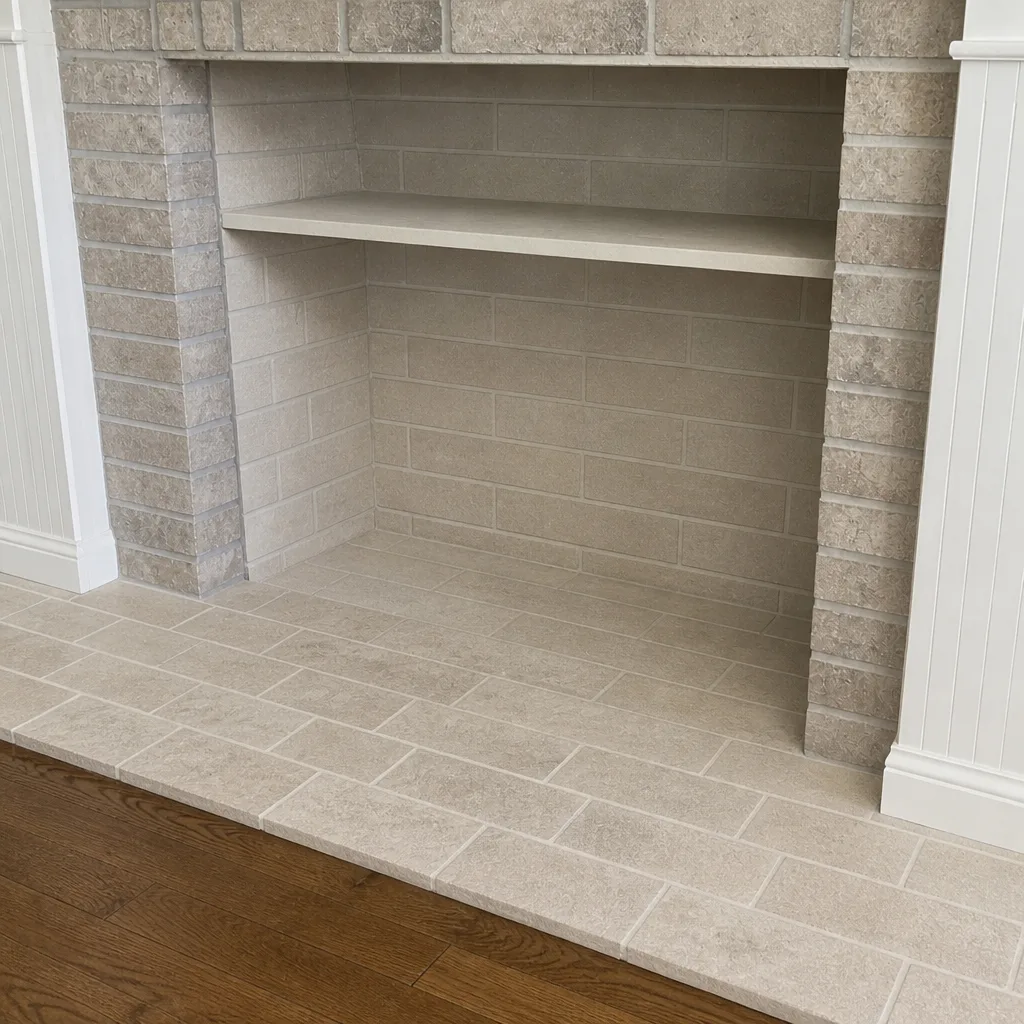
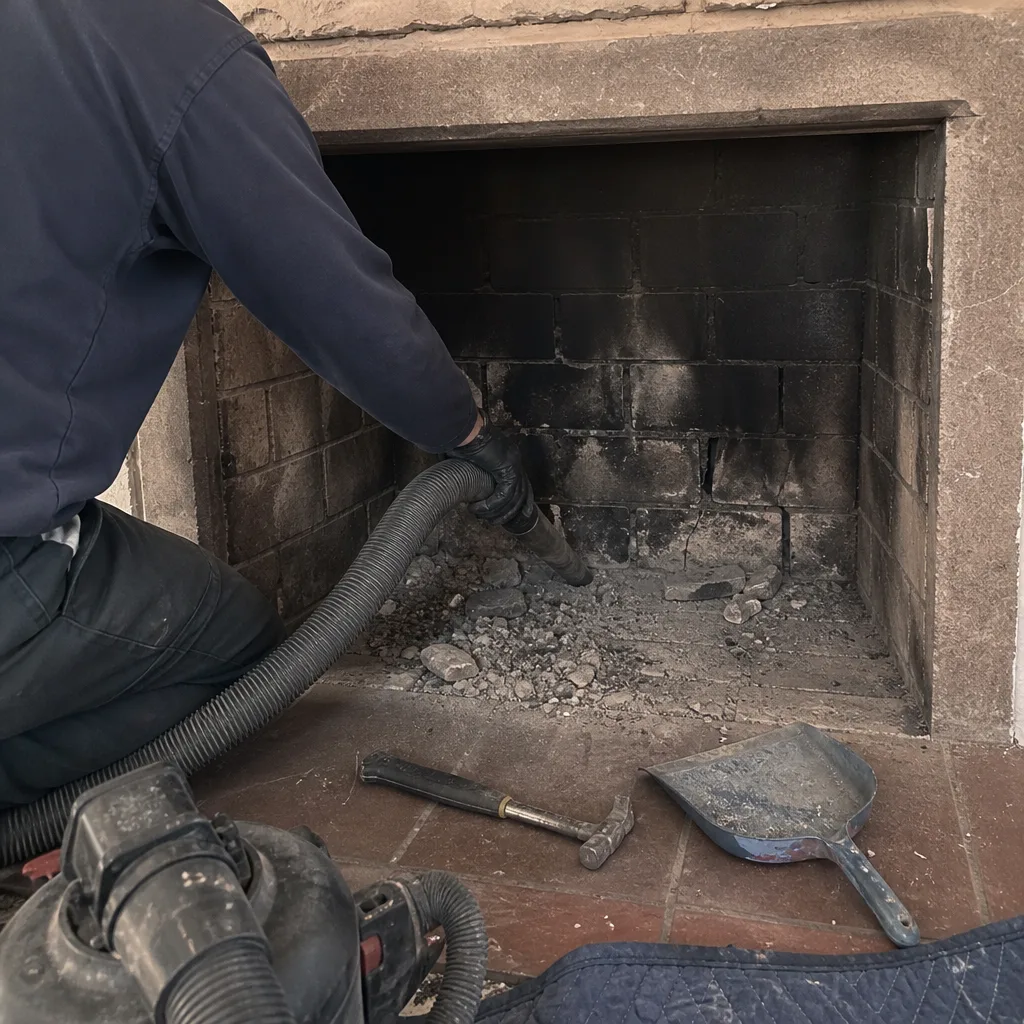
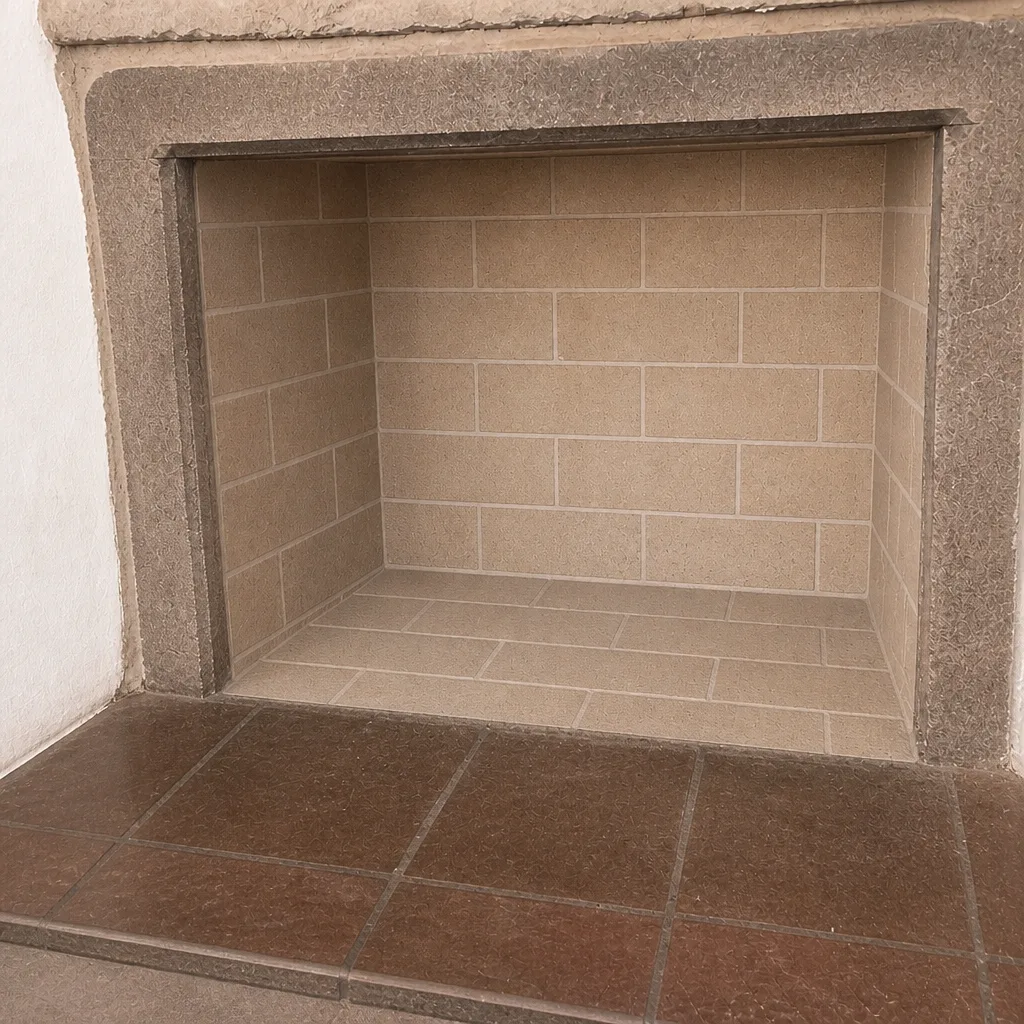
See the difference
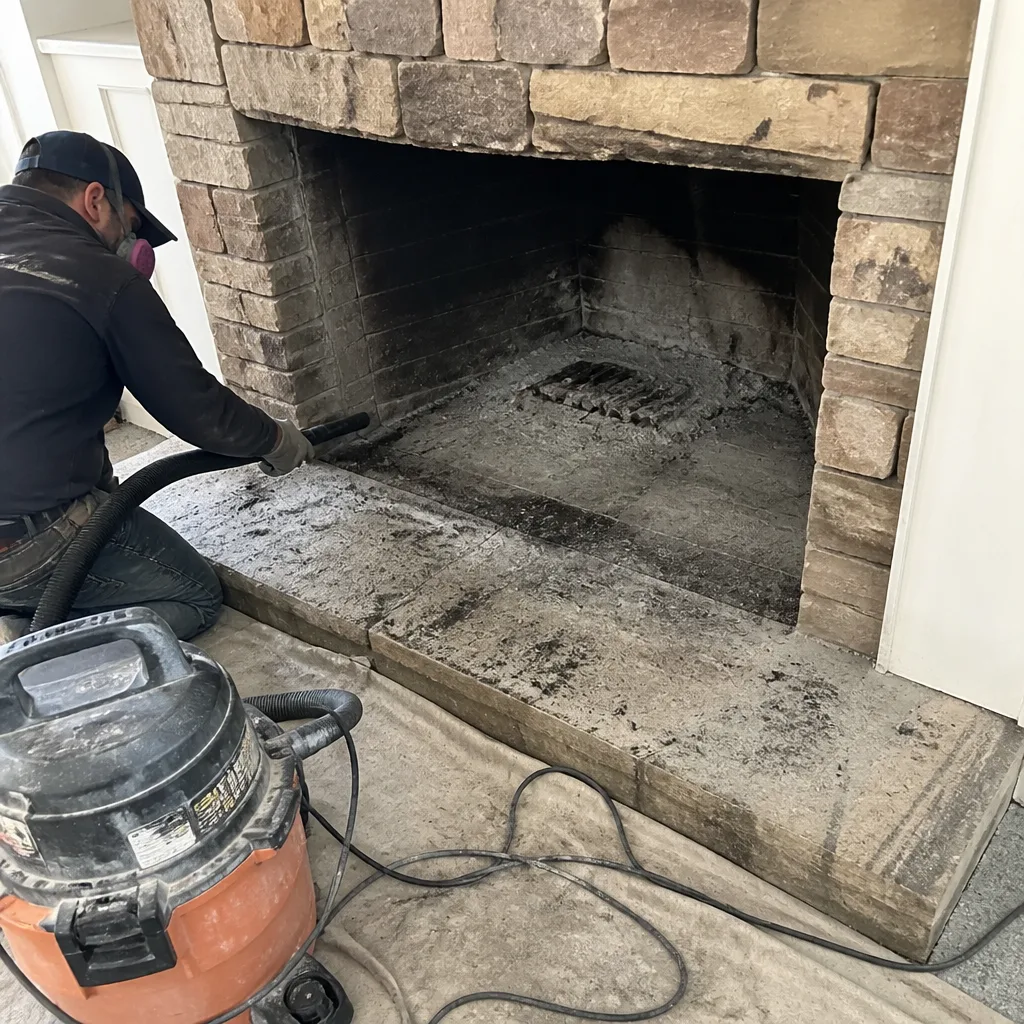 Before
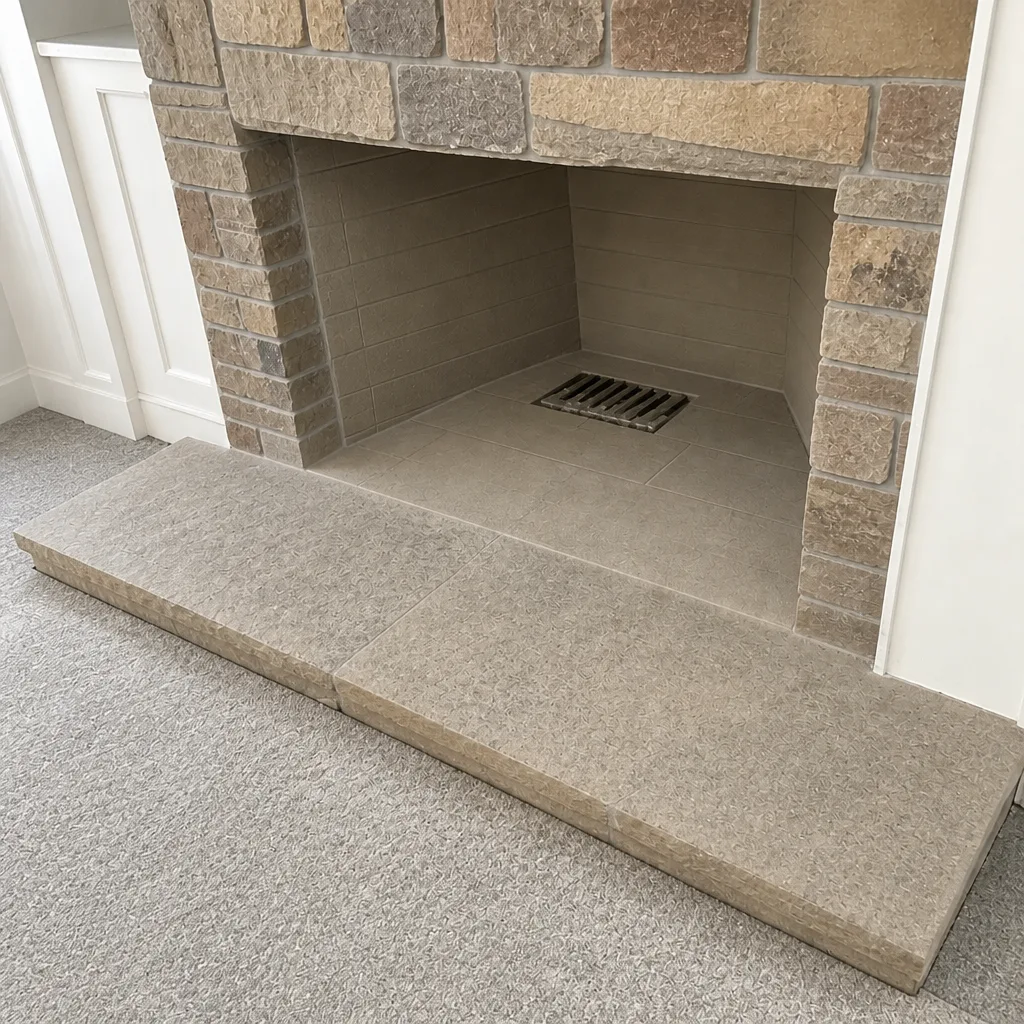 After
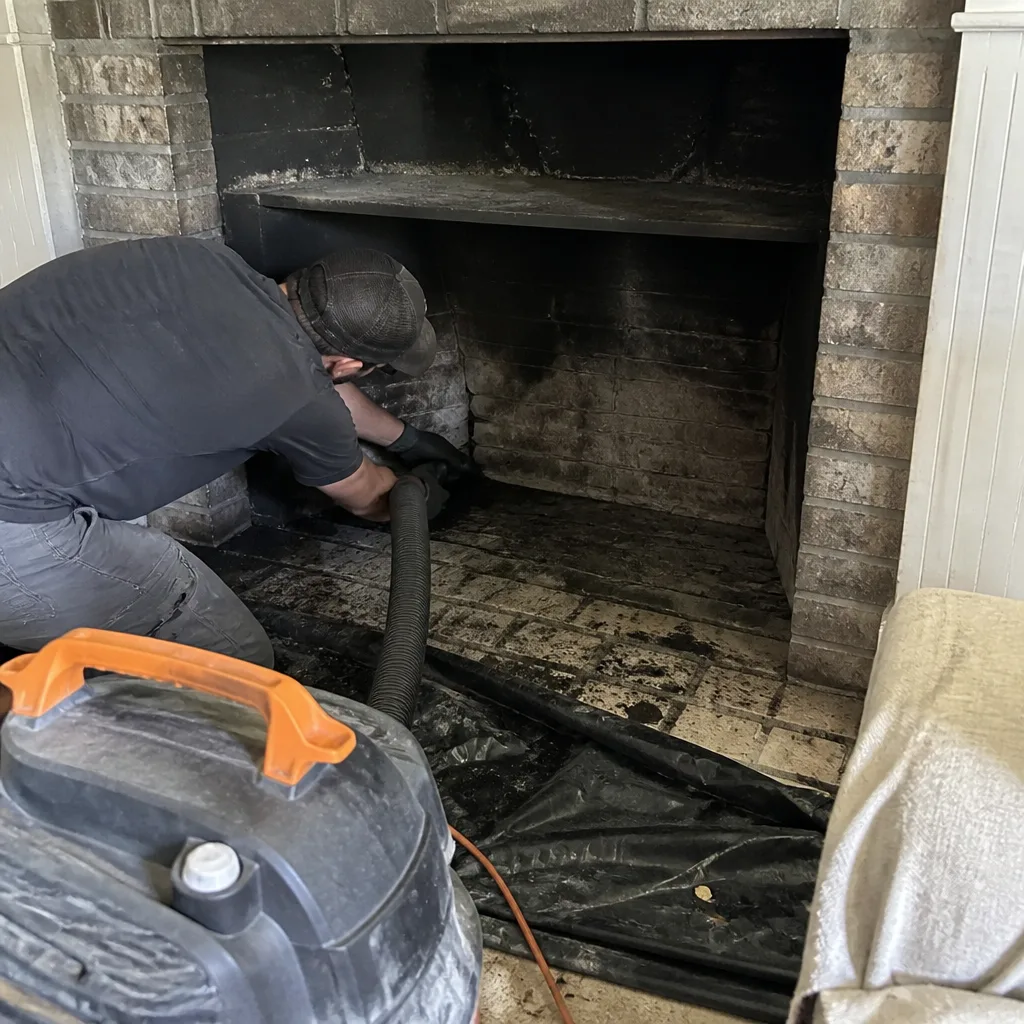 Before
 After
 Before
 After
When to Call a Professional
Call a professional when you see efflorescence, spalling brick or a cracked crown; when the cap is rusted or missing; when the fire has trouble drawing or smoke rolls into the room; when a smoky smell lingers after the fire is out; or when the chimney makes new popping or clanking sounds during a fire. Call right away, not on a schedule, if the fire won’t draw at all or if you smell smoke or exhaust inside the house after the fire is out. Between the two, most of the calls we get in SouthPark fall into the “schedule an inspection” bucket, where a camera check and a photos-first walkthrough sort out the rest. Call (855) 425-6201 to set one up. We answer 24/7, and fast dispatch from 7am to 7pm runs Sunday through Friday.
Frequently Asked Questions
Efflorescence on exterior brick is often the earliest visible sign, followed by a slow, smoky draft or a faint odor when you light a fire. Those tend to show up before anything dramatic, and they’re your cue to book an inspection. Call (855) 425-6201 for an exact quote, free estimate.
Yes. The firebox and the flue liner are separate parts of the system, and a clean firebox says nothing about the liner behind it. Ask specifically for a camera inspection of the flue, top to bottom. Call (855) 425-6201 to schedule one.
Light ticking and pinging during heat-up and cooldown is normal expansion and contraction. Popping, cracking or clanking that continues well after the chimney has warmed up is not, and those warrant an inspection. Call (855) 425-6201 for a free estimate.
Once a year for a fireplace or wood-burning insert in regular use, plus a fresh inspection if you’ve moved into a home and don’t know its history. SouthPark’s humid summers and colder winters make the annual visit worth keeping even in lighter-burning years. Call (855) 425-6201 for an exact quote, free estimate.
Stop immediately if the fire won’t draw and the room fills with smoke (a complete backdraft), or if you still smell smoke or exhaust inside the house after the fire is out. Both mean gases are escaping where they shouldn’t. Call (855) 425-6201 before scheduling routine work.
Ask for the liner condition top to bottom with a camera, whether the tile joints are tight, the stage of any creosote buildup, clearances, and the cap, crown and flashing from the roof as well as the ground. Ask what materials are being used, since professional-grade parts like DuraFlex and HeatShield matter. Call (855) 425-6201 for an exact quote, free estimate.
The Bottom Line
The signs that matter most are the quiet ones: a white stain on the brick, a crack in the crown, a fire that’s slower to draw than it used to be, a tick that turns into a pop. Catching them early is how a SouthPark homeowner prevents both fires and the expensive repairs that follow water and heat damage over time. Two signs are exceptions, and they’re the ones to act on before you do anything else: a complete backdraft, and smoke or exhaust smell after the fire is out. Inspect first, repair before you light, and let the evidence drive the decision. That keeps your chimney built to last another season.
If anything in this guide sounds familiar, get ahead of it. Chimney Sweep SouthPark handles sweeping, inspection, firewall and interior repair, and cap and crown work, with professional-grade materials like Olympia Chimney, Famco and Copperfield in the mix so you can research the parts being used. We start with a camera inspection and a photo walkthrough, and nothing gets recommended without evidence you can see. A written estimate sets the final price. Call (855) 425-6201 for a free estimate. We answer 24/7, and fast dispatch from 7am to 7pm runs Sunday through Friday.
Written by the team at Chimney Sweep SouthPark.