
Last updated November 22, 2026
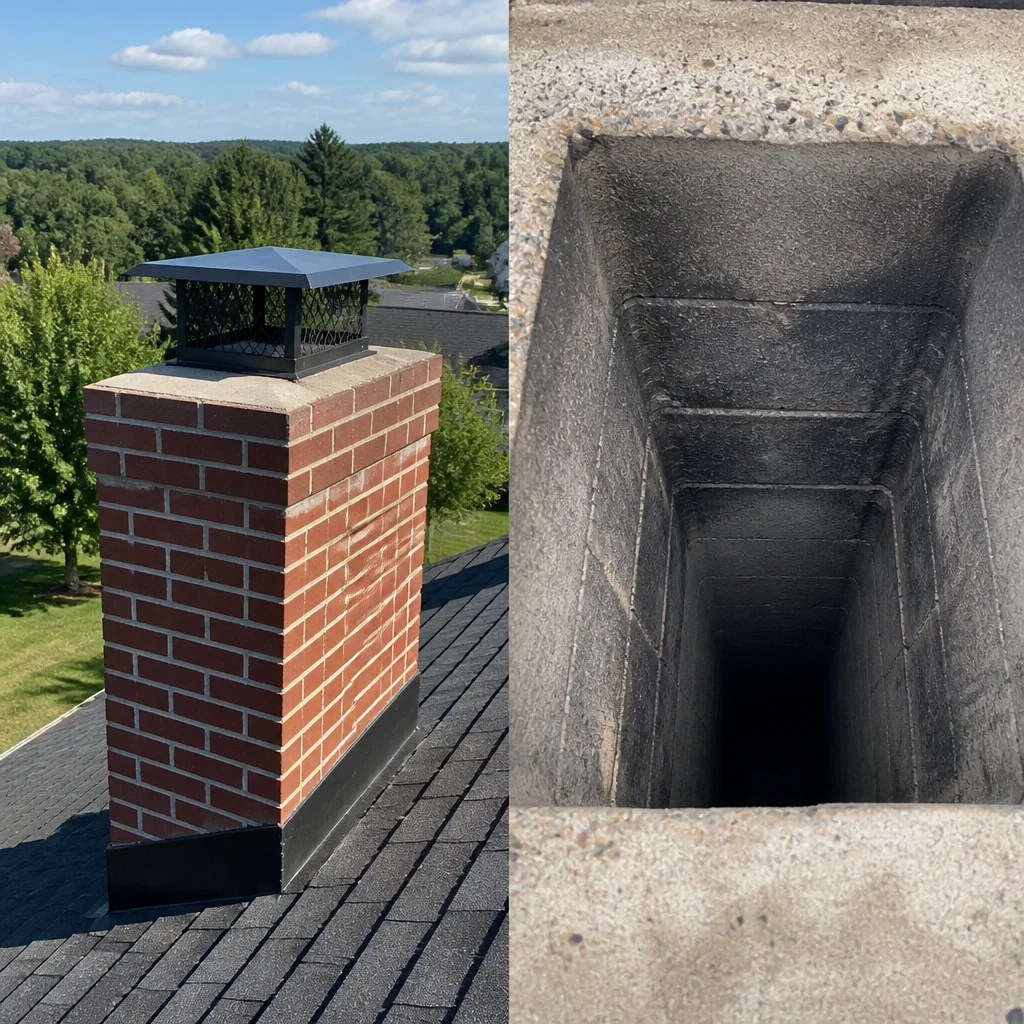 Sweep & inspection
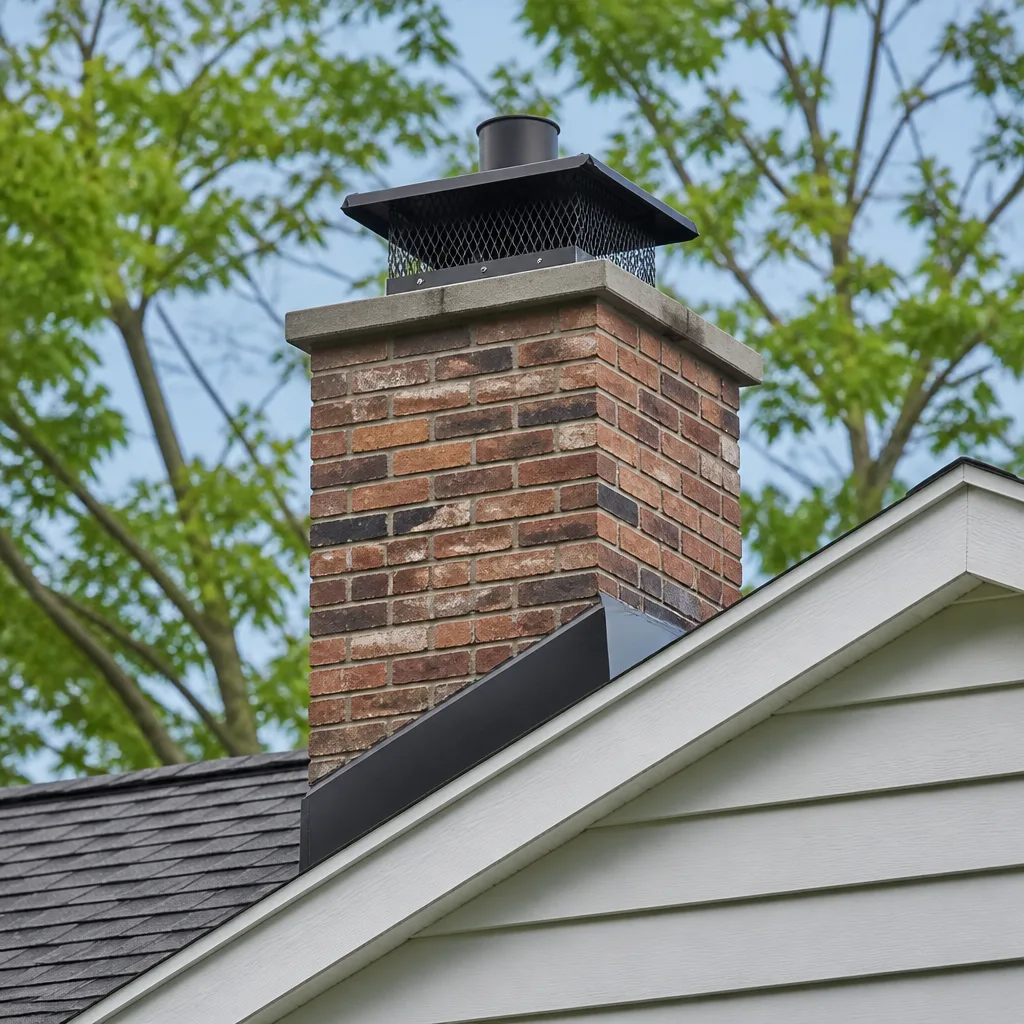 Caps & crowns
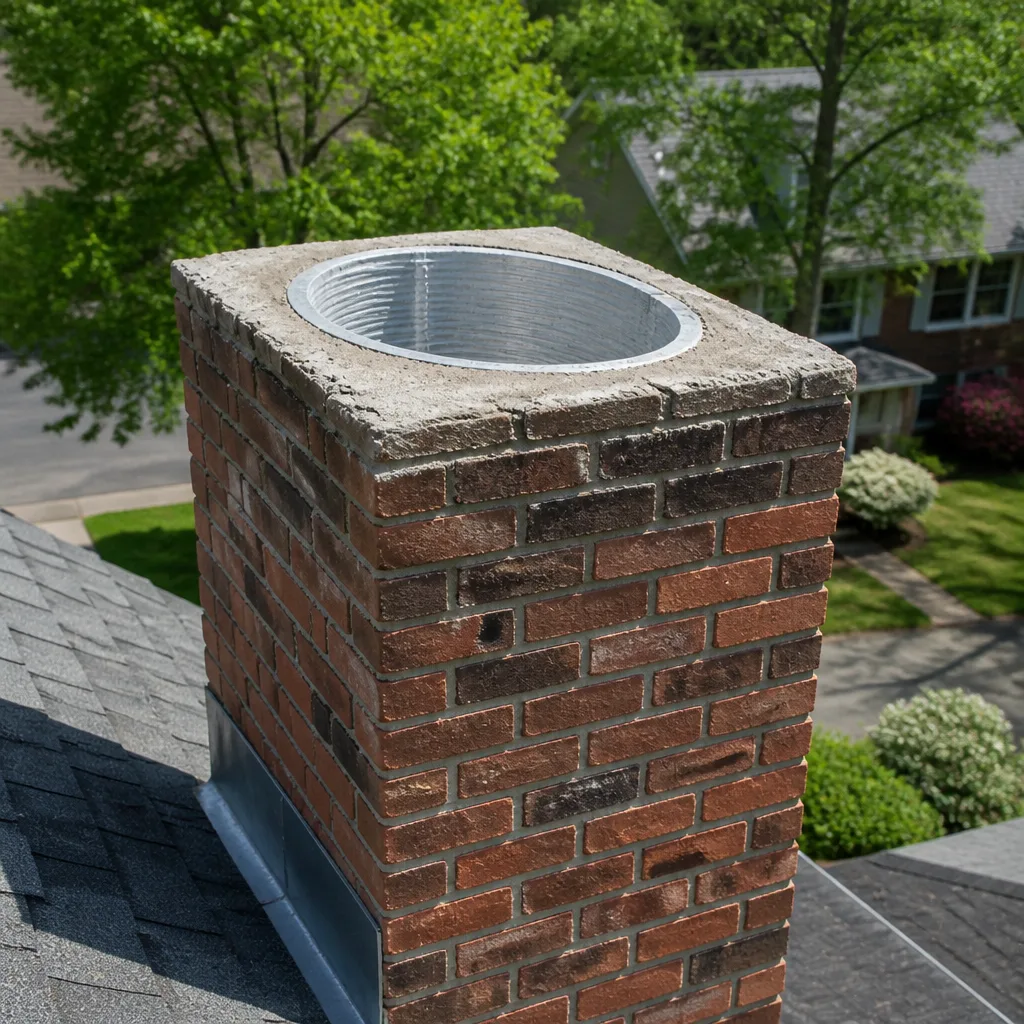 Flue relining
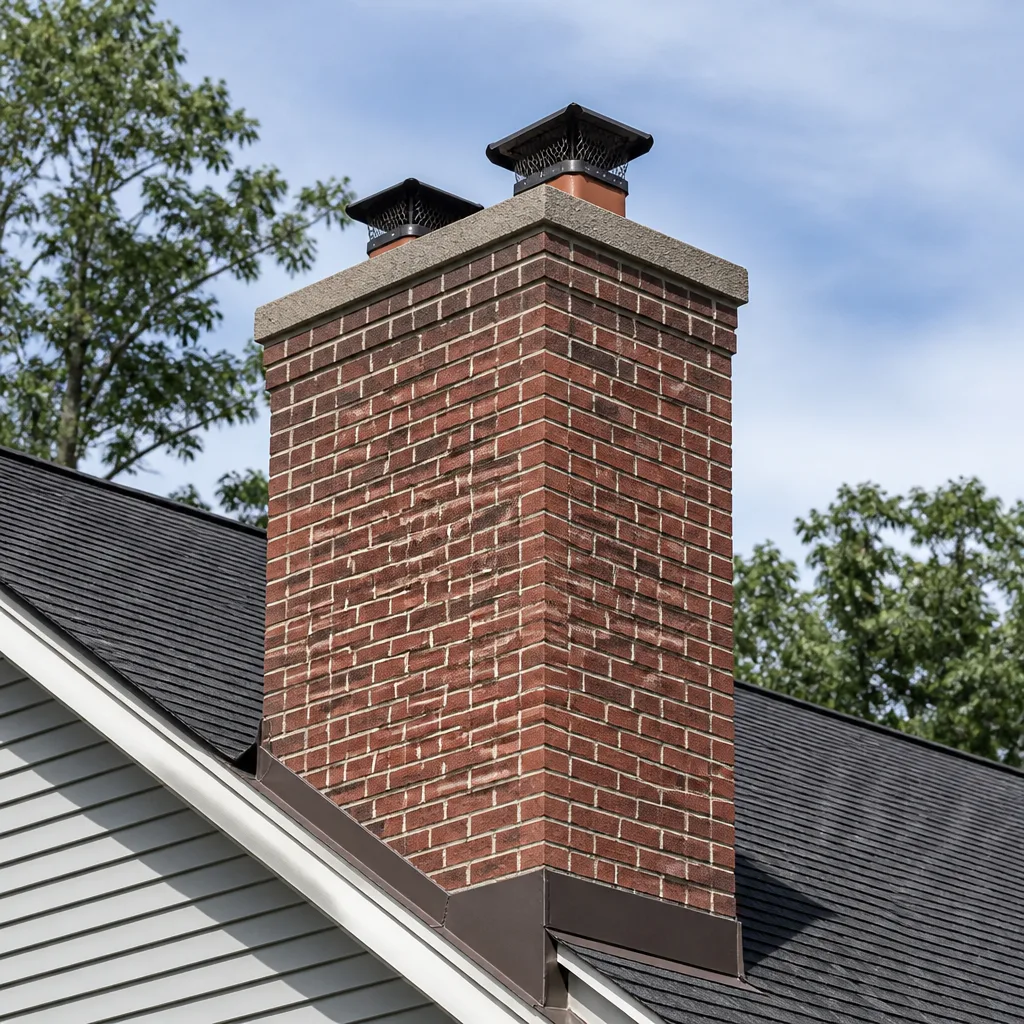 Masonry repair
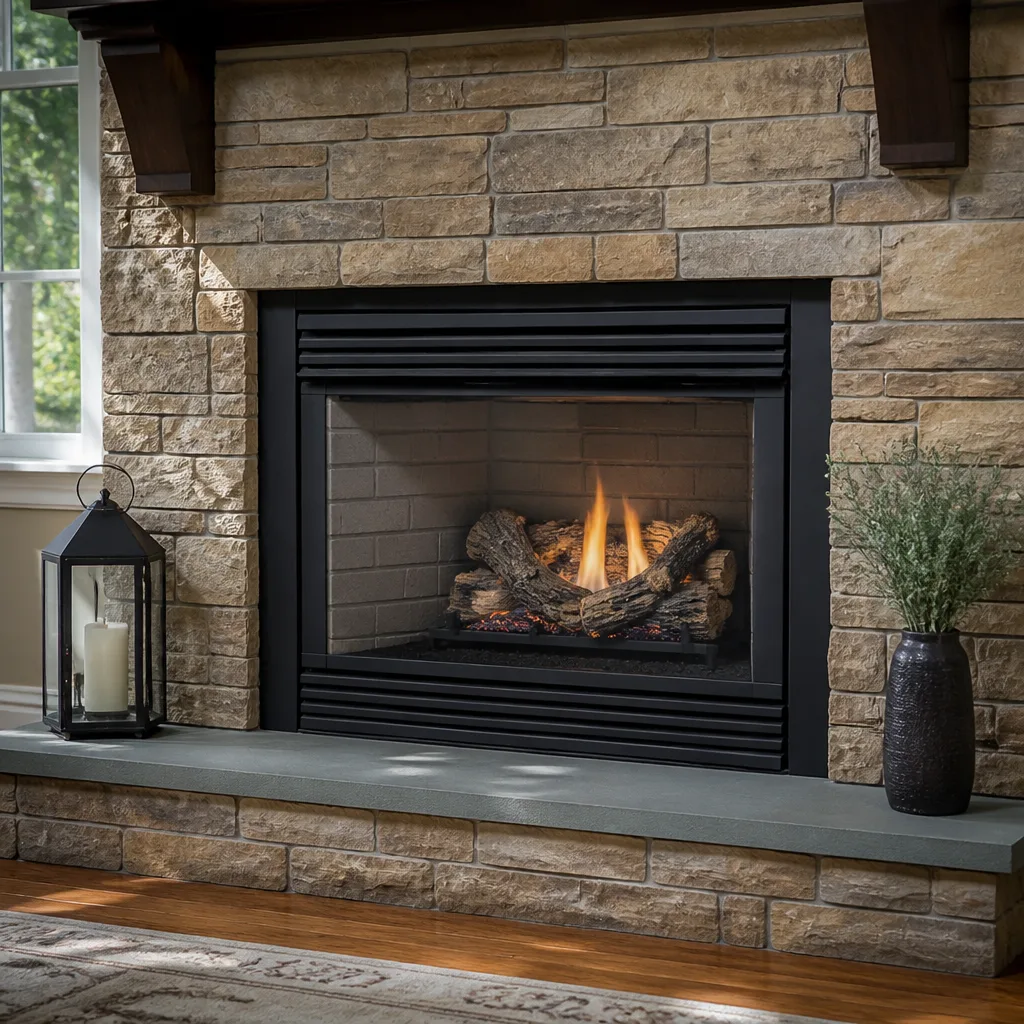 Gas fireplace service
Level 1 sweep and inspection to the NFPA 211 annual standard - flue, crown, cap, and flashing checked and photographed
Chimney sweep logs do not sweep chimneys. They loosen some creosote - which then falls where a brush and vacuum still have to collect it.
Chimney Sweep Maintenance Schedule: What to Do and When
The NFPA’s annual inspection standard was written for average use. Most SouthPark households aren’t average. If you burned more than two cords of wood last winter, run a gas insert as your primary heat, or have a clay-tile flue that’s been in place for decades, “once a year” either over-services your system or quietly under-services it. The right chimney maintenance schedule depends on what you burn, how often, and what your liner is made of, not just the calendar. This guide lays out a usage-based schedule you can actually follow, explains why the shoulder season matters more than the middle of winter in SouthPark, and shows you which checks are yours to do and which require a certified sweep.
Quick Answer
Chimney maintenance runs on two clocks. The first is the calendar: get a professional inspection once a year, and a sweep whenever soot reaches 1/8 inch or you’ve burned about a cord of wood since the last cleaning. The second is your liner’s material and age: clay tile flues need closer watching as they age, stainless liners hold up longer, and cast-in-place liners have their own inspection rhythm. In SouthPark, the practical move is to book both the inspection and any recommended sweep in late summer, before the October burn season starts, so you aren’t competing for appointments when everyone else remembers their chimney at the first cold snap.
Styles & brands we work with
- Sweep & inspection
- Caps & crowns
- Flue relining
- Masonry repair
- Gas fireplace service
Table of Contents
- Why “Annual” Isn’t a Real Schedule
- The Usage-Based Scheduling Matrix
- Why SouthPark Homeowners Should Book Before October, Not After
- What You Can Check Yourself vs. What Needs a Certified Sweep
- How Liner Age and Material Change Your Interval
- Building a Maintenance Log That’s Actually Useful
- A Season-by-Season Maintenance Calendar
Why “Annual” Isn’t a Real Schedule
Every chimney guide tells you to inspect once a year. That advice isn’t wrong, but it’s a floor, not a plan. The standard was designed to be conservative enough to cover typical use, which means it has to work for a household burning half a cord in a decorative fireplace and a household heating primarily with wood. Those two homes are not in the same maintenance category, and a single calendar rule can’t serve both well.
What actually drives soot and creosote buildup is the combination of fuel type, burn intensity, wood moisture, and draft. A slow, smoldering fire with unseasoned wood produces far more creosote per cord than a hot fire with dry hardwood. A gas insert produces almost no creosote at all, but it has its own concerns around venting and combustion byproducts. A pellet stove sits somewhere in between, with ash handling that’s different from either wood or gas.
In our experience across SouthPark, the homes that run into trouble aren’t the ones that skipped a year of routine sweeping. They’re the ones that kept sweeping on a schedule built for someone else’s fireplace: heavy burners who treated annual as sufficient, or light users who paid for cleanings their chimney didn’t need while missing the inspection that would have caught a deteriorating crown. The point of a schedule is to match the service to the system, not to check a box.
That’s why a proper schedule starts with a real inspection before any sweeping happens. The inspection tells you what condition the flue, cap, crown, and firebox are actually in, and that reading is what determines whether your interval should be tightened or relaxed. The sequencing matters: inspect first, then sweep, then repair whatever the inspection flagged, and only then light the fire.
The Usage-Based Scheduling Matrix
Think of your maintenance interval as the output of three inputs: what you burn, how much you burn, and how well you burn it. Here’s how those inputs combine into a practical schedule.
Wood-burning fireplaces and inserts
- Light use (under half a cord per season, occasional evenings): Annual inspection, sweep roughly every other season or whenever soot reaches 1/8 inch.
- Moderate use (half to two cords per season): Annual inspection and annual sweep.
- Heavy use (more than two cords per season, primary heat): Inspection twice per year, before and mid-season, with a sweep each fall and a mid-winter check. If you’re burning more than two cords, treat the annual standard as insufficient by design.
Gas inserts and gas fireplaces
Gas produces no creosote, but that doesn’t mean no maintenance. Annual inspection still applies, mainly to check venting, combustion, and the condition of the firebox and logs. A sweep is rarely needed, but a technician should confirm the flue is clear of debris, nests, or a dislodged liner component. If you’re running a gas insert as your main heat source, the annual visit becomes a combustion check more than a cleaning, and it’s worth doing even in a season with light use.
Pellet stoves
Pellet appliances need ash removal on a much shorter cycle than wood, plus an annual professional service to clear the vent and check the combustion path. The flue itself accumulates less creosote than wood, but fly ash is abrasive and can damage a liner over time if it’s never cleared. Plan the professional service annually even if you handle ash yourself between visits.
What wood quality adds to the equation
Seasoned hardwood burned hot produces less creosote per cord than green or soft wood burned cool. If your wood supply is uncertain or you’ve been burning unseasoned wood, shorten the inspection interval rather than the fuel. A qualified sweep can also tell you, from what they pull out of the flue, whether your burning habits need adjusting before the buildup becomes a real problem.
Why SouthPark Homeowners Should Book Before October, Not After
There’s a pattern we see every fall in SouthPark. The first genuinely cold week arrives, everyone lights the fireplace on the same evening, and the phones start ringing. By then, appointment calendars are filling quickly, and a homeowner who wanted an inspection in September is looking at a much later slot in November. The service itself takes the same amount of time either way, but the wait doesn’t.
The shoulder season before the burn season is the natural maintenance window. Late August into September gives you several advantages that don’t apply in the middle of winter:
- You can act on what the inspection finds. If the crown needs sealing or a cap needs replacing before the first burn, there’s still time to do the work without delaying your season.
- You catch summer damage before it becomes winter damage. Months of sun, rain, and temperature swings stress the crown and masonry. A pre-season inspection catches cracks and loose mortar while the weather is still favorable for repair.
- You avoid the first-cold-week rush. Booking in the shoulder season is the single most reliable way to get the appointment you want rather than the one that’s left.
- You establish a baseline before the season, not after. A pre-season inspection gives you a clean “before” reading. A post-season inspection tells you what the winter did. Both are useful, but the pre-season one is what protects your winter.
SouthPark’s climate is a factor here. The summers are humid and warm, which is hard on masonry and on the crown that sits at the very top of the system, fully exposed. By the time October arrives, whatever the summer weather did to the crown, cap, and flashing is already there. Finding it in September means fixing it before the fall rains and the burn season arrive together.
A Chimney Sweep SouthPark inspection in late summer is a specific recommendation, not a general one. If you’ve never had your system looked at before the season, that’s the one appointment worth prioritizing this year.
What You Can Check Yourself vs. What Needs a Certified Sweep
Most of the maintenance between professional visits is ordinary observation. Some of it, done wrong, is genuinely dangerous. Here’s the divide.
What you can legitimately do between sweeps
- A visual cap check from the ground. Look up at the chimney cap with binoculars. Is it intact, seated, and free of visible damage or heavy debris? A missing or rusted-out cap is a common finding, and spotting it early prevents water and animals from getting in.
- A ground-level crown inspection. From the yard, look at the top of the chimney. Cracks in the crown, missing chunks, or staining are visible from below.
- A damper function check. Open and close the damper fully. It should move smoothly and seat properly. A damper that sticks open lets heat out year-round and lets animals in.
- Interior visual checks. After a burn, check that smoke is drafting normally and not backing into the room. Check the firebox for loose bricks or crumbling mortar. Watch for water staining on the ceiling or walls near the chimney.
- Ash and grate upkeep. Keep the firebox clear and the grate in good condition. This is basic housekeeping, not chimney work.
What requires a certified sweep or technician
- Anything on the roof. Climbing to the top of a chimney involves real fall risk. Ladder work on a steep or wet roof is where serious injuries happen, and a homeowner has no way to inspect the flue interior from outside anyway.
- Flue brushing and soot removal. The sweep itself is a trained job. Done poorly, it can damage a clay tile liner or leave deposits that the next fire pushes back into the room.
- Camera inspection of the flue. This is how a technician actually sees the liner condition, and it’s the evidence base for any recommendation. If someone tells you the liner needs work, you should be able to look at the camera footage with them.
- Crown repair, cap replacement, and liner work. These are structural repairs. A chimney cap & crown installation or a liner restoration is not a homeowner task, and the safety stakes are the reason.
- Chase cover, flashing, and masonry repair. Water intrusion at these points is a common cause of interior damage, and diagnosing it requires seeing the whole system.
The practical test: if it involves the roof, the flue interior, or the firebox structure, it goes to a professional. If it involves looking, opening, and observing from the ground, it’s yours.
How Liner Age and Material Change Your Interval
The liner is the part of the chimney that most determines your maintenance interval, because it’s the part that ages fastest and matters most. Three liner types behave differently.
Clay tile liners
Clay tile is the most common liner in older SouthPark homes, and it has a predictable failure pattern. The mortar joints between tiles are the weak point. Over time, heat cycles and moisture cause the joints to crack and the tiles to shift. A clay tile flue that’s in good condition and serves a moderate-use fireplace can follow the standard annual schedule. As it ages, the inspection interval should tighten, because a cracked joint can allow heat and gases to reach the surrounding structure. This is exactly the scenario where camera inspection earns its keep: hairline cracks are not visible from the firebox, and they’re the reason liner recommendations get made.
Stainless steel liners
A properly installed stainless liner is the most durable option and the one most resistant to creosote-related damage. It still needs annual inspection, but the focus shifts to the connections at the top and bottom, and to any signs of corrosion at the joints. A stainless liner in good condition rarely drives a shortened interval. If a liner does need replacement, DuraFlex flexible liner systems are the industry standard for relining aging or damaged flues, and they’re what we install when the original liner has reached the end of its service life.
Cast-in-place liners
HeatShield cast-in-place restoration is a specialized process that rebuilds a deteriorated flue from the inside, and it changes the maintenance picture in a good way. A restored liner typically brings the system back to a condition where the annual inspection and standard sweep interval apply again. Because HeatShield requires specialized training and certification, not every chimney company offers it, and a homeowner with a failing clay tile liner often finds that restoration is a less invasive path than a full reline. The key is that the recommendation should be based on camera evidence you can see, not on a verbal sales pitch.
In our experience, liner condition is the single biggest variable in how often a SouthPark chimney actually needs to be looked at. A technician who recommends the same interval for every house isn’t really inspecting; they’re scheduling.
Building a Maintenance Log That’s Actually Useful
Most homeowners can tell you roughly when their chimney was last swept. Very few can tell the next technician what condition it was in, what was found, or what was recommended. That gap costs you money over time, because every visit starts from zero instead of building on a baseline.
A maintenance log doesn’t need to be elaborate. A notebook, a folder, or a note on your phone works. What matters is that you record the same fields every time, so the next technician can compare readings instead of guessing. Here’s the minimum set worth capturing after each visit:
- Date and service type. Was it an inspection, a sweep, a repair, or an installation? Note them separately.
- Fuel type and approximate amount burned. “Wood, about 1.5 cords” tells the next technician more than “wood.”
- What the technician found. Soot thickness, creosote level, and any condition notes on the cap, crown, or liner.
- What was recommended and what was deferred. If the crown needed sealing but you held off, record that. A follow-up next year should not start from scratch.
- What was actually done, and with what materials. If a cap was replaced with an Olympia Chimney product or a liner restored with HeatShield, note the brand and product. Professional-grade components have a service life, and knowing what’s installed helps the next inspection know what to look for.
- Photos or camera footage. Keep a copy of any inspection imagery. It’s the most useful record in the file, because it lets a future technician compare liner condition year over year.
The chimney sweep visit itself takes the same amount of time either way. The log is what turns a series of isolated cleanings into a maintenance history that actually protects the system.
A Season-by-Season Maintenance Calendar
Here’s how the schedule looks across the year in SouthPark, laid out seasonally rather than by month, since the burning season varies with the weather.
Late summer / early fall (the main window)
- Book the annual inspection before the burn season begins.
- Have any recommended sweep completed.
- Complete pre-season repairs: crown sealing, cap replacement, flashing checks, and any masonry work.
- Test the damper and confirm the firebox is clean and structurally sound.
- Update the maintenance log with the pre-season baseline.
During the burn season
- Do the ground-level checks: cap, crown, damper, and draft.
- Watch for smoke backing into the room, which suggests a draft or blockage problem.
- Keep the firebox clear and use dry, seasoned wood.
- If you’re a heavy burner (more than two cords), schedule the mid-season check.
After the burn season
- Do a post-season visual check from the ground.
- Note anything that looked different during the winter (draft issues, staining, unusual smells).
- Record the approximate amount of wood burned and anything unusual about the season’s use.
- Plan the next pre-season booking before the fall.
Spring and early summer
- This is a good window for any structural repair the inspection flagged, because the weather is favorable for masonry and sealant work.
- If the crown or cap needs replacing, do it now rather than waiting for fall.
- Check the exterior at ground level for signs of water intrusion or staining.
A fireplace repair that seems minor in the spring can become a much larger job by the time the burn season arrives, because moisture gets into whatever isn’t sealed. Doing structural work in the shoulder seasons is one of the quieter advantages of running a proper schedule.
Common Mistakes to Avoid
- Treating annual as sufficient for heavy use. If you burn more than two cords, the standard interval is too long. Tighten it before something goes wrong.
- Booking after the first cold snap. In SouthPark, waiting until everyone lights the fireplace means competing for slots. The shoulder season is the window that actually protects your season.
- Skipping the inspection because the sweep “looked fine.” A clean sweep doesn’t tell you the liner is intact. Camera inspection is what catches the conditions a sweep can’t see from the firebox.
- Replacing a liner without seeing the evidence. If you’re told the liner needs work, ask to see the camera footage. Any recommendation should be documented, and you should be able to look at it with the technician.
- Ignoring the crown and cap because the firebox is clean. The top of the system is where water gets in. A cracked crown or missing cap leads to damage that has nothing to do with the firebox.
- Never asking what material was installed. Knowing whether your cap is an Olympia Chimney product or your liner is DuraFlex is genuinely useful for the next inspection. Generic parts have generic service lives.
- Burning unseasoned wood and then shortening nothing. Wet wood increases creosote, so a change in fuel should change the schedule. It’s the input, not the calendar, that drives the interval.
See the difference
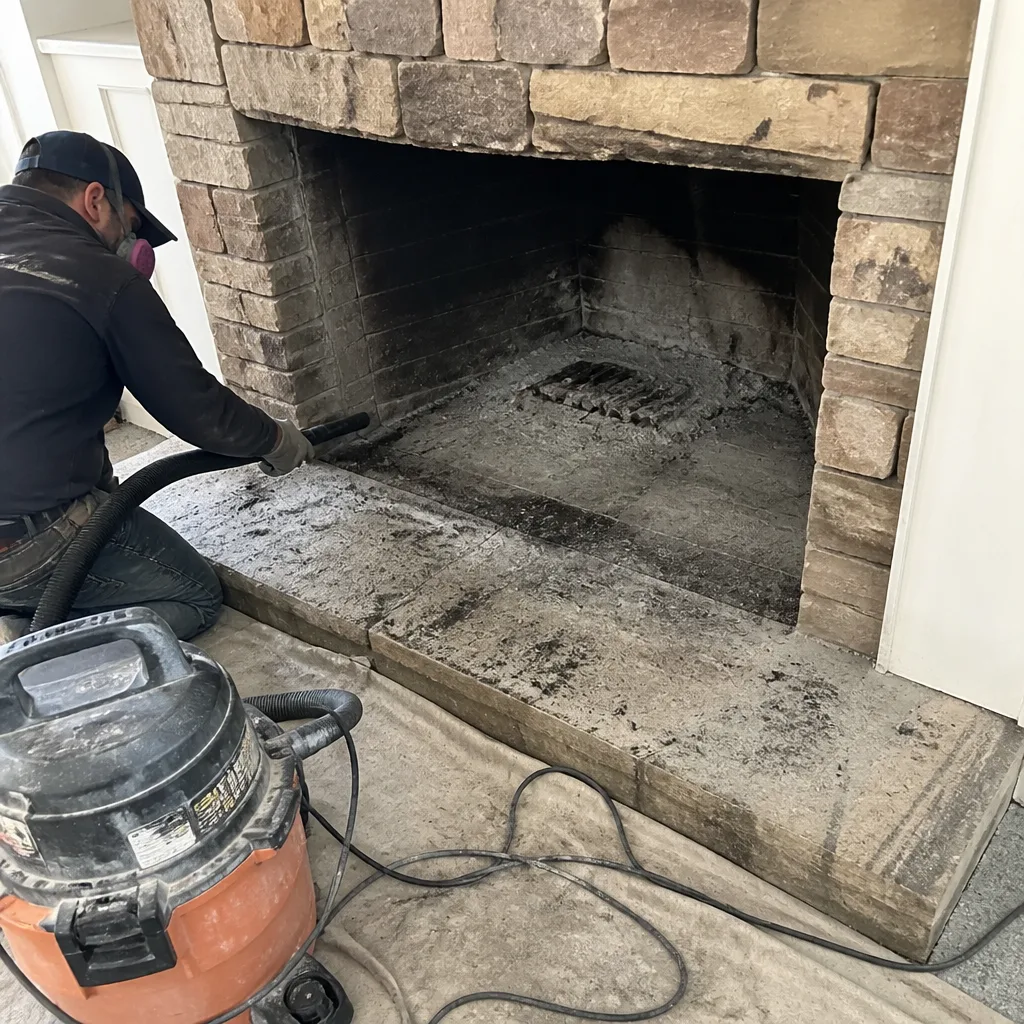 Before
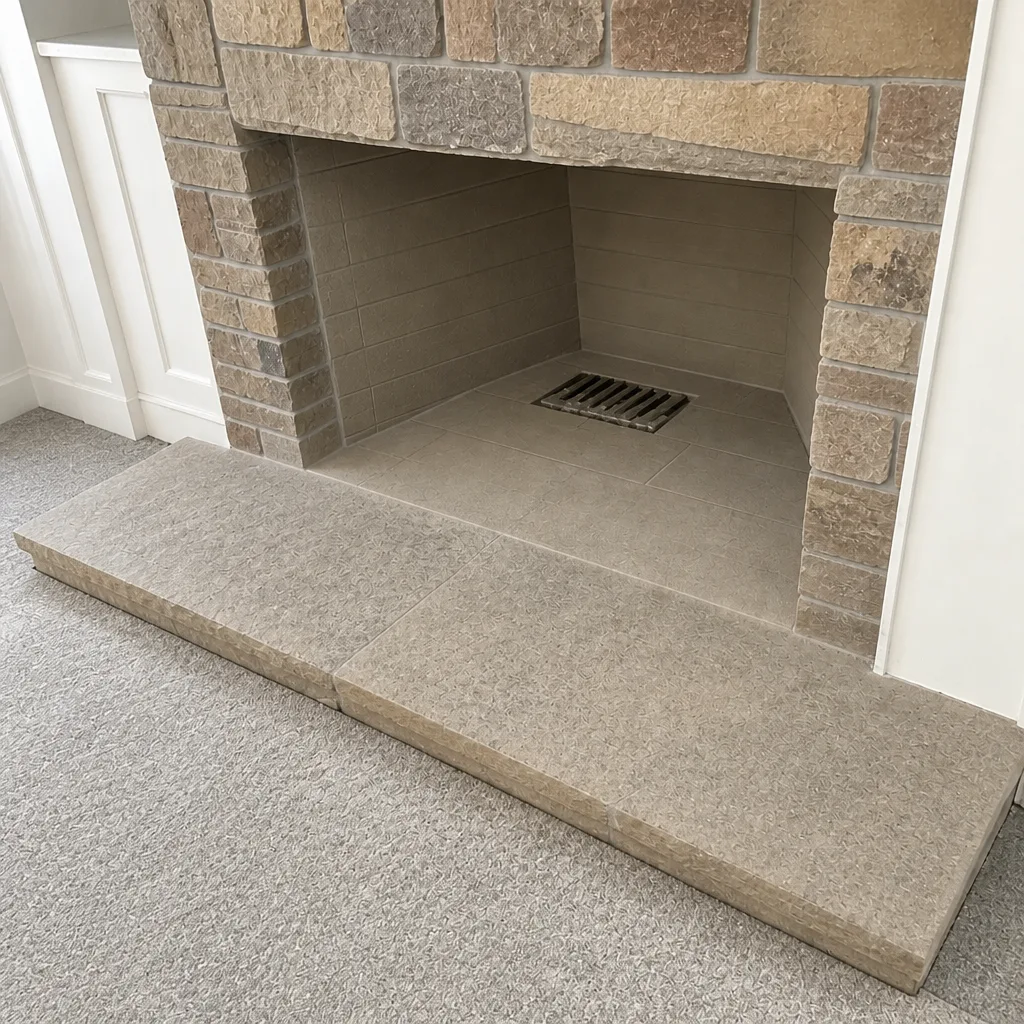 After
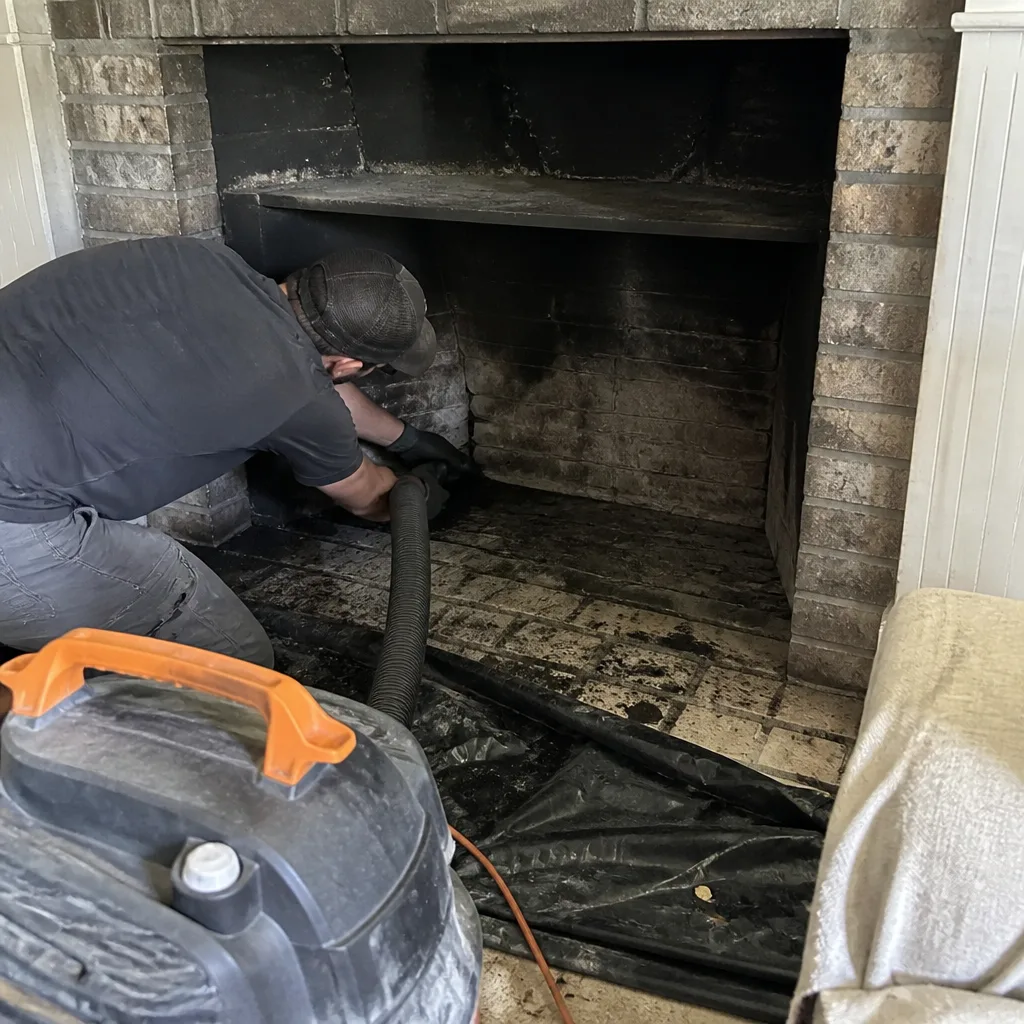 Before
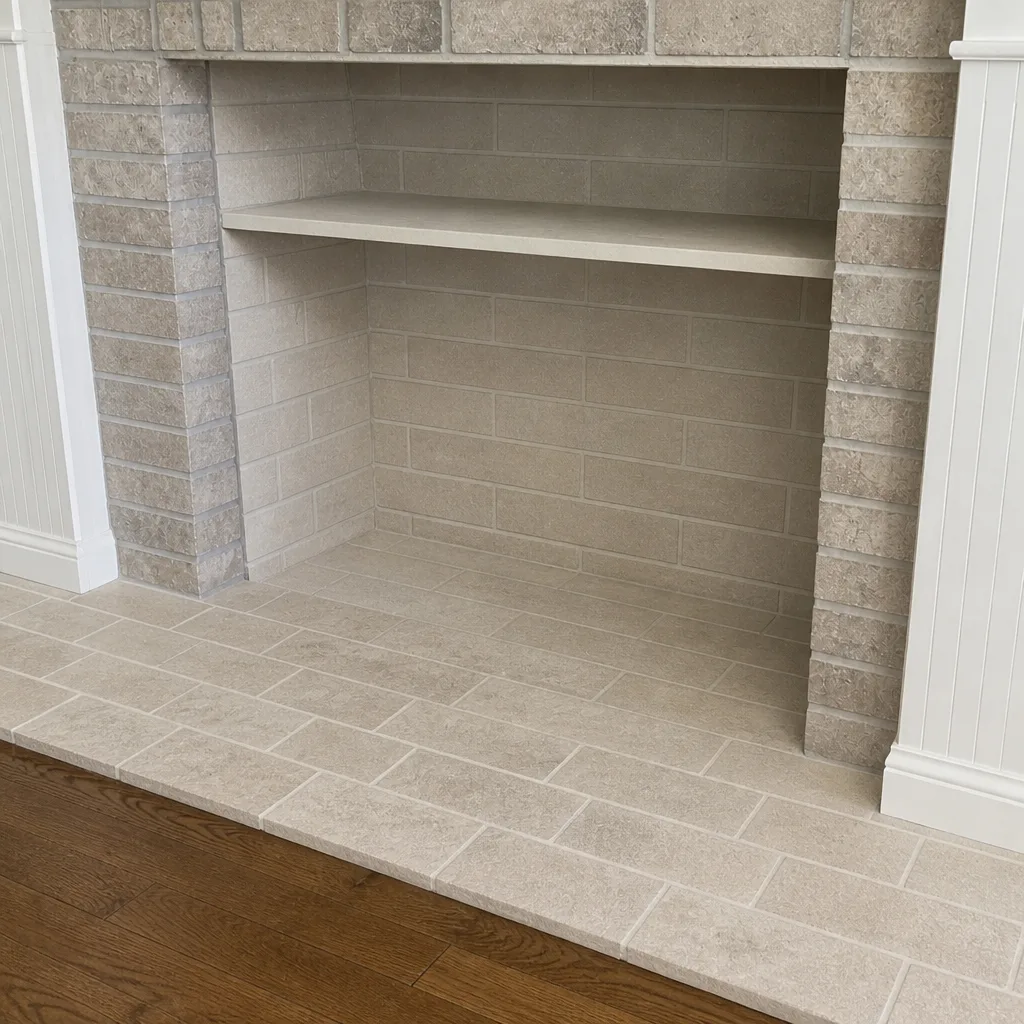 After
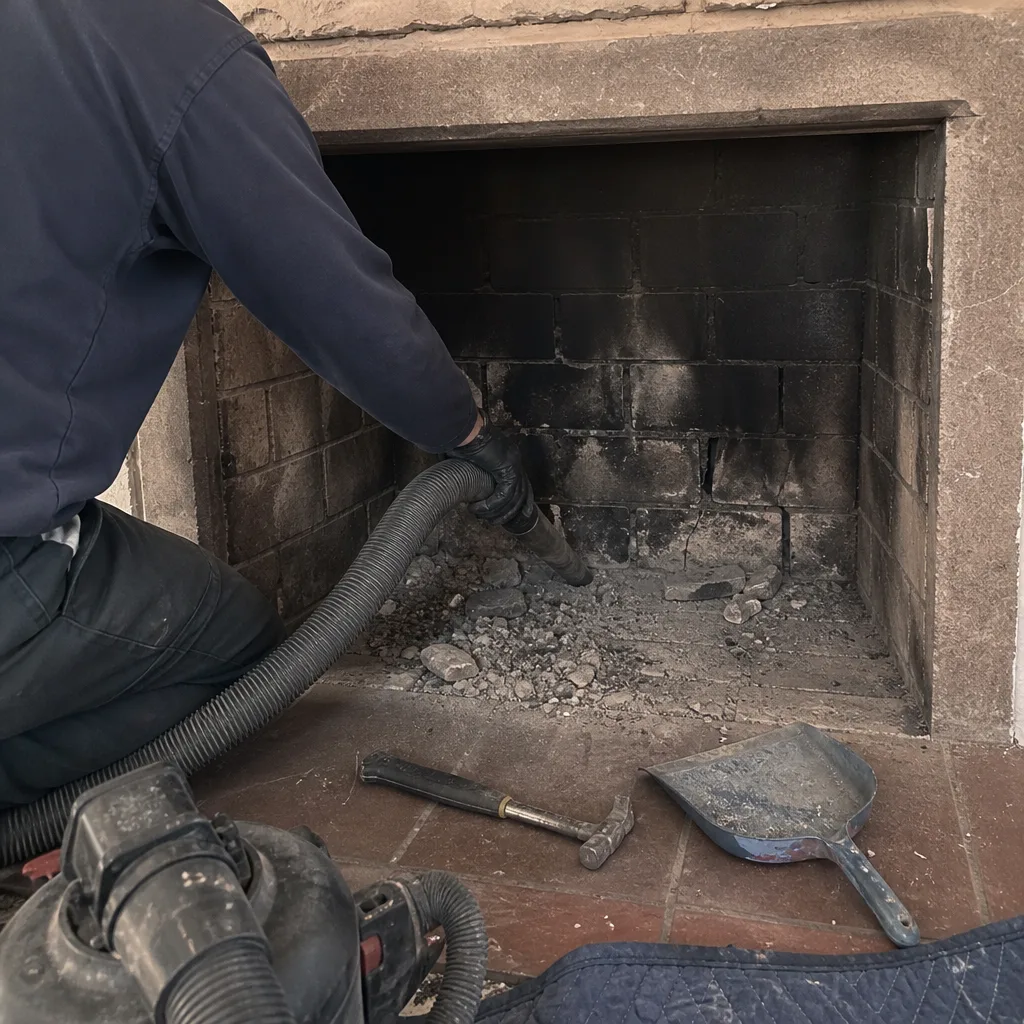 Before
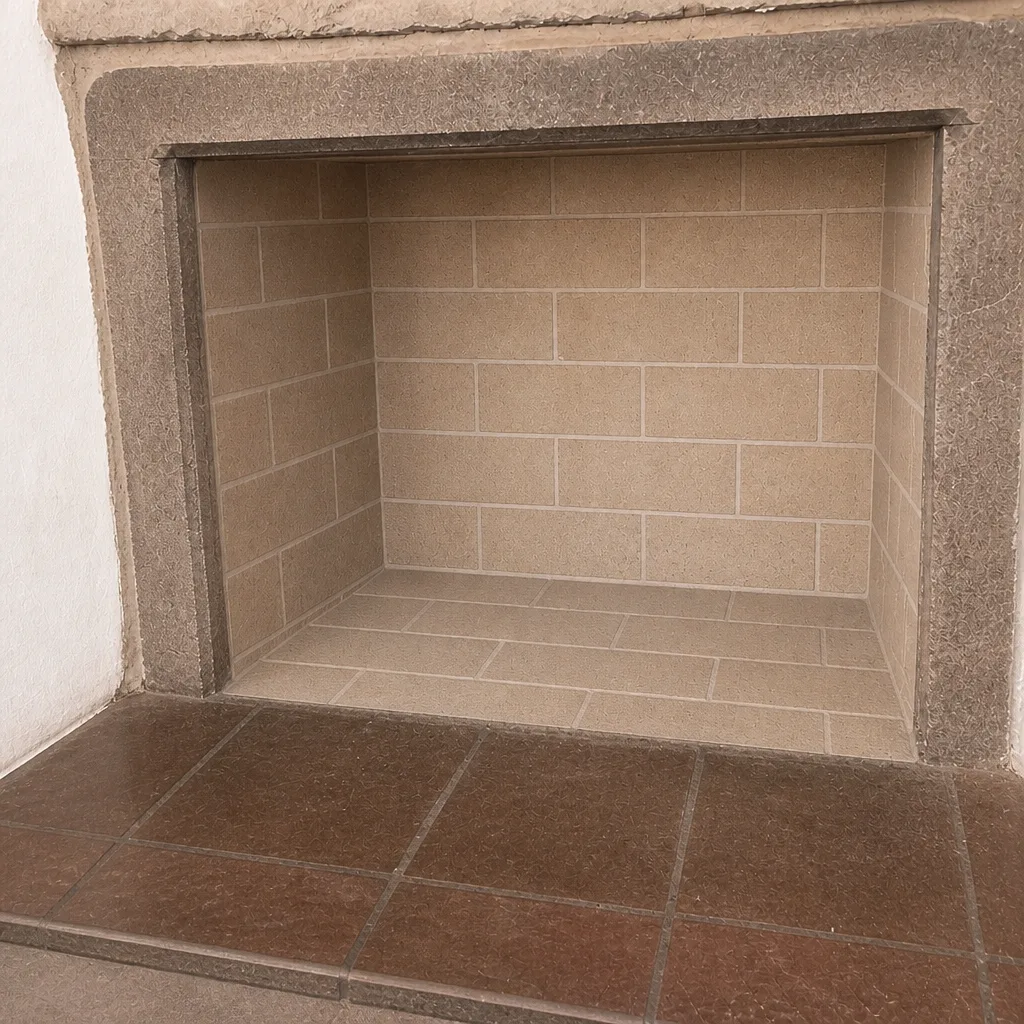 After
When to Call a Professional
Call a professional if you’ve never had an inspection before the burn season, if your last sweep was more than a year ago, or if you’ve burned significantly more wood than usual. Also call if you notice smoke backing into the room, a persistent smell from the fireplace when it isn’t in use, water staining near the chimney, or visible damage to the cap or crown from the ground. Any recommendation of liner work is another reason to get a second technician’s camera evidence before committing to a big job.
Chimney Sweep SouthPark offers free estimates in SouthPark. We inspect before we sweep and repair before you light, and every recommendation comes with camera evidence you can see for yourself. When work can safely wait, we say so. Call (855) 425-6201. We answer 24/7. Fast dispatch from 7am to 7pm, Sunday through Friday.
Frequently Asked Questions
For most wood-burning households in SouthPark, a sweep once a year is the baseline, with the inspection done at the same visit. If you burn more than two cords in a season, add a mid-season check. If you burn less than half a cord, an annual inspection with a sweep every other season is reasonable, provided soot never reaches 1/8 inch. The interval should follow your actual use, not the calendar. Call (855) 425-6201 for an exact recommendation on your system; estimates are free.
Gas inserts rarely need a sweep, because they produce no creosote. They still need an annual inspection to check venting, combustion, and the condition of the firebox and logs. A technician should also confirm the flue is clear of debris or animals. Skipping the inspection on a gas insert is common and it’s a mistake, because the things that go wrong with gas are not the things a sweep would catch. Call (855) 425-6201 to book a gas inspection; estimates are free.
Not automatically. Liner replacement depends on the condition found during camera inspection, the liner material, and the age of the joints. A clay tile liner with a few hairline cracks may need monitoring and a tighter inspection interval rather than immediate replacement. A liner with displaced tiles or gaps that expose the surrounding structure is a different conversation. Ask to see the camera footage before you decide. When restoration with a cast-in-place system is possible, it’s often a less invasive option than a full reline. Call (855) 425-6201 for a camera inspection; estimates are free.
The two real risks are chimney fire from creosote buildup and carbon monoxide from a blocked or damaged flue. Both are serious, and neither is visible from the firebox during normal use. The less dramatic risk is water damage: a cracked crown or missing cap lets moisture into the masonry, and that damage gets more expensive the longer it goes unaddressed. Skipping a year isn’t automatically a disaster, but skipping it on a heavy-use chimney with an aging liner is a different calculation. Call (855) 425-6201 if you’re unsure where you stand; estimates are free.
Before, in the shoulder season. Booking before October in SouthPark means you have time to act on what the inspection finds, and you’re not competing for appointments after the first cold week. Post-season checks are useful for recording what the winter did, but the pre-season inspection is the one that protects your burn season. Call (855) 425-6201 to get on the schedule before the fall; estimates are free.
Professional-grade components matter, and we name them so you can research them yourself. We install DuraFlex flexible liner systems for relining, HeatShield for cast-in-place liner restoration, and Olympia Chimney and Gelco components for caps and venting, alongside Famco and Copperfield products where they fit the job. You’ll know what’s going on your chimney before it’s installed. Call (855) 425-6201 to talk through your system; estimates are free.
The Bottom Line
A chimney maintenance schedule isn’t a single rule. It’s a combination of fuel type, usage volume, liner material and age, and the season you book in. The annual inspection standard is the floor; your specific schedule may need to be tighter if you’re a heavy wood burner or you’re watching an aging clay tile liner. In SouthPark, the single most useful habit is booking the inspection and sweep in the shoulder season, before October, so you have time to act on what gets found. Keep a maintenance log, do the ground-level checks between visits, and insist on camera evidence before any liner recommendation. One specialist, every layer of your chimney, from the crown to the firebox, is how the system stays built to last another season.
Written by the team at Chimney Sweep SouthPark.