
Last updated November 22, 2026
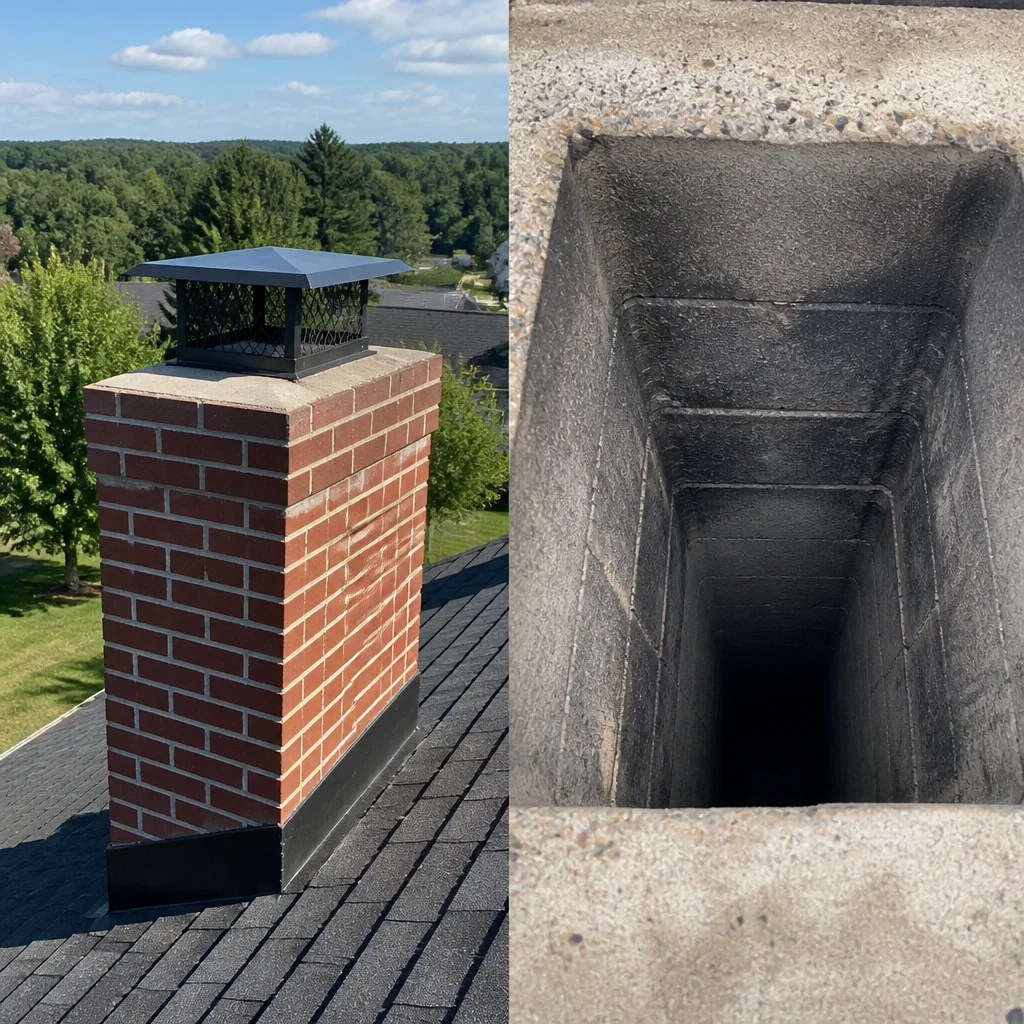 Sweep & inspection
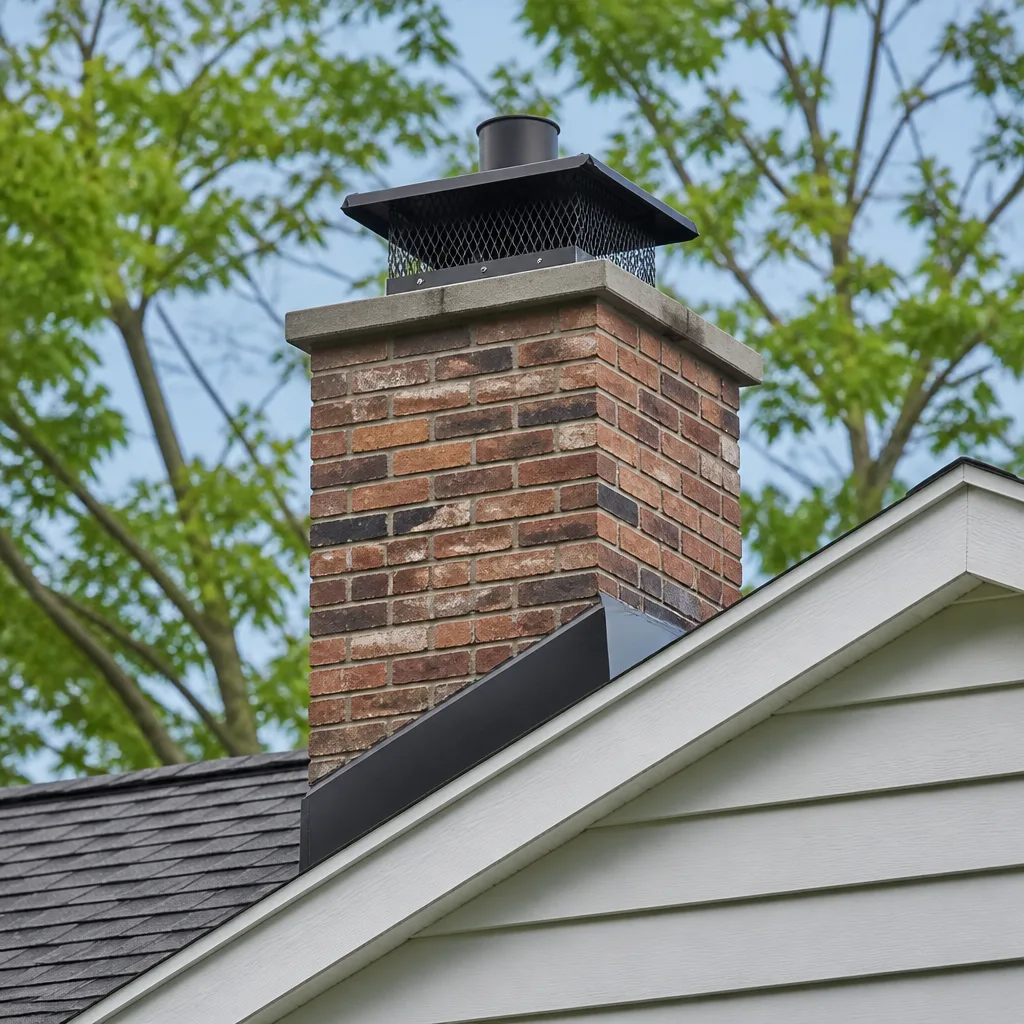 Caps & crowns
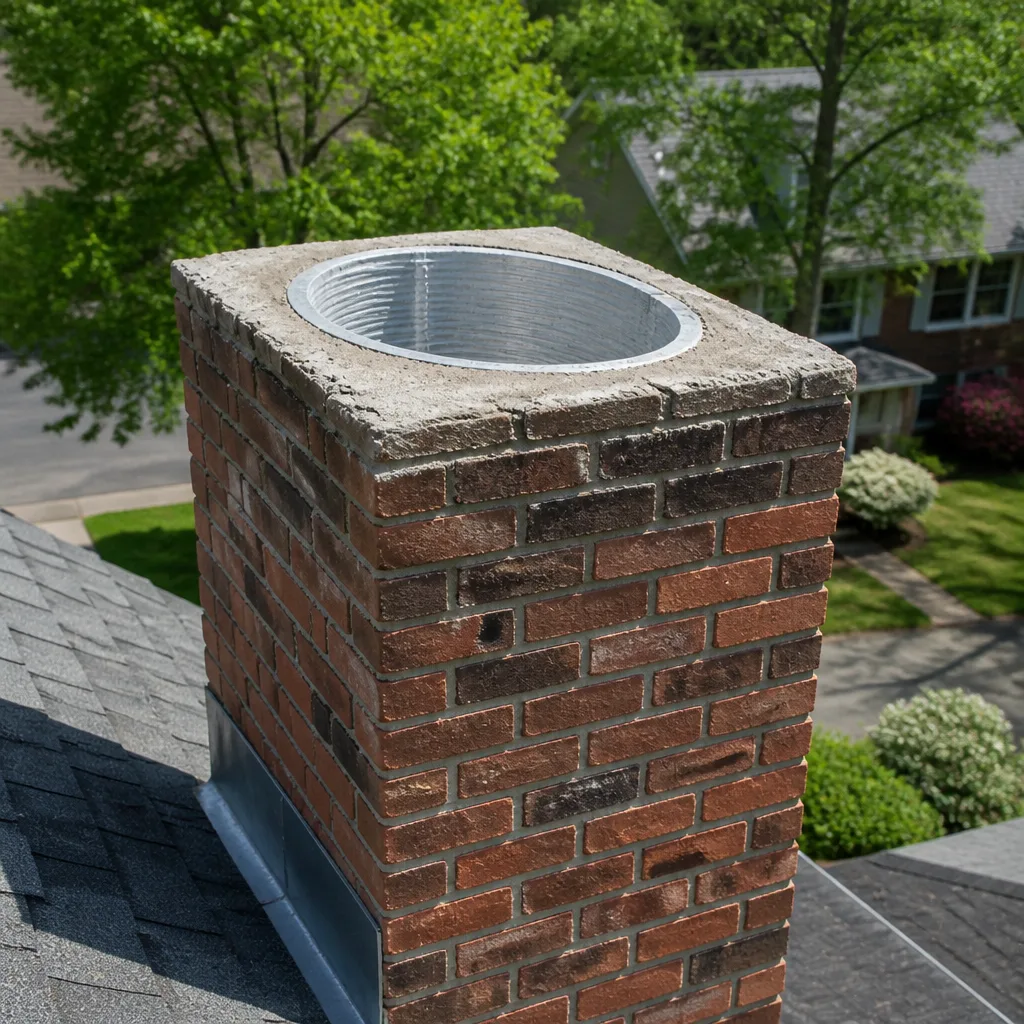 Flue relining
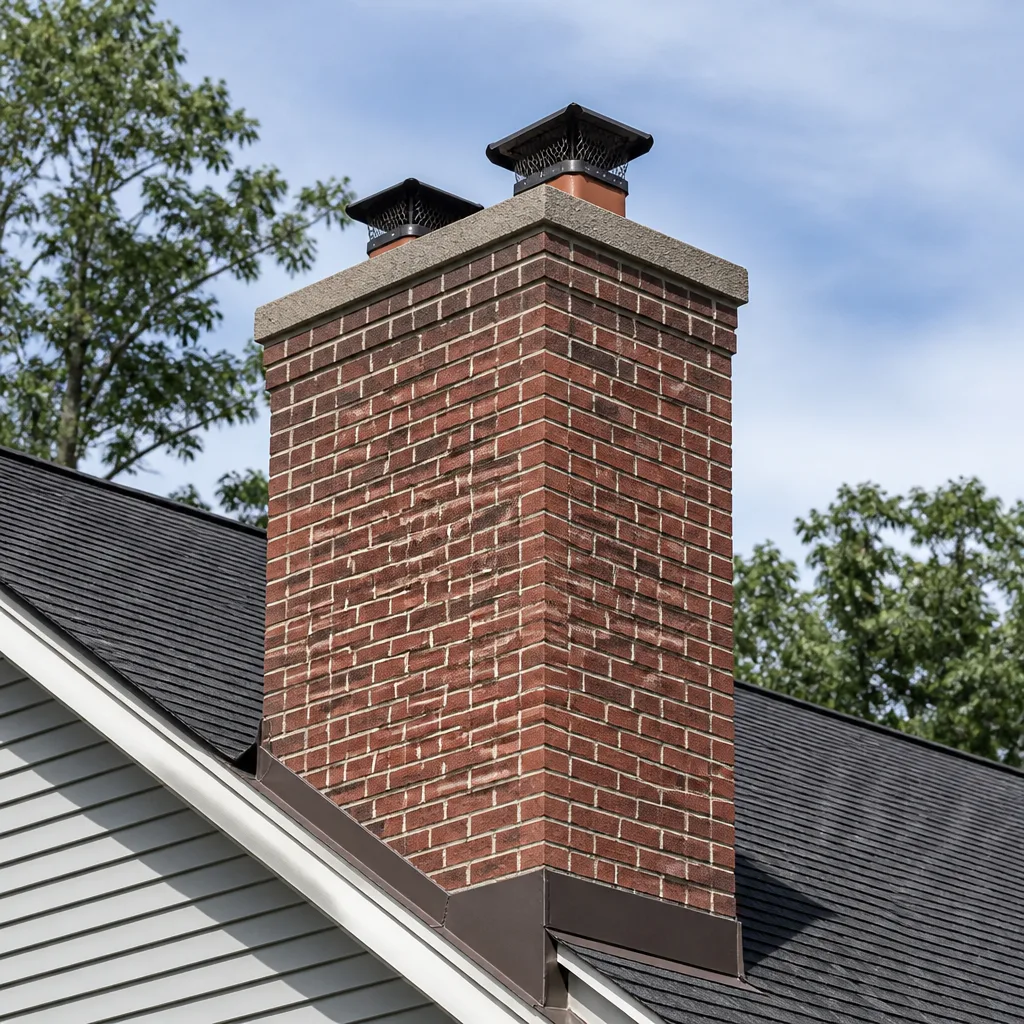 Masonry repair
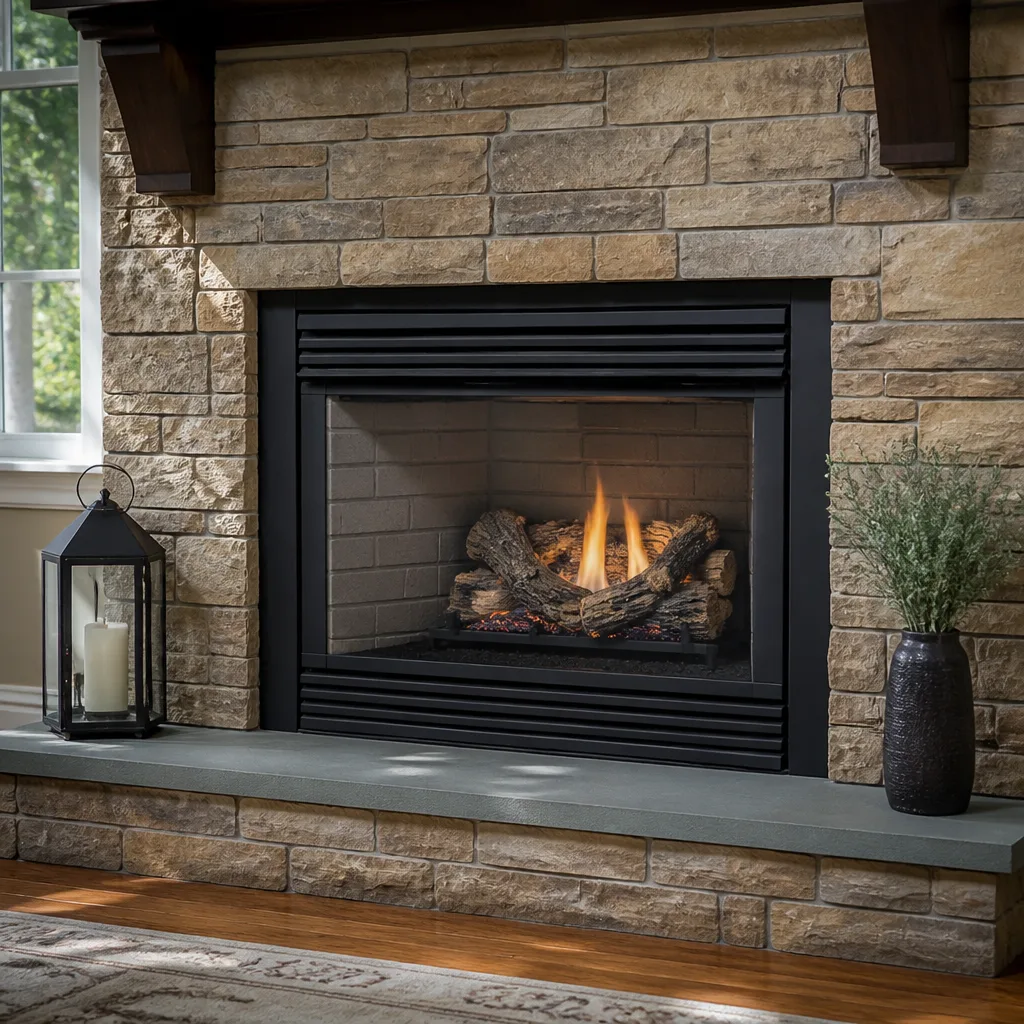 Gas fireplace service
Level 1 sweep and inspection to the NFPA 211 annual standard - flue, crown, cap, and flashing checked and photographed
Chimney sweep logs do not sweep chimneys. They loosen some creosote - which then falls where a brush and vacuum still have to collect it.
Chimney Sweep Maintenance Checklist for SouthPark Homeowners
Most chimney problems don’t announce themselves with smoke pouring into the living room. They start small: a fire that takes a few extra minutes to catch, a faint creosote smell on a warm day, a hairline crack in the crown you can’t quite see from the driveway. Those early signals are exactly what homeowners miss between professional visits. And they’re often the first chapter of a repair bill that lands two seasons later. This checklist is built around the components that actually fail in SouthPark chimneys, organized so you know what to look for from the ground, what your fireplace is telling you during a burn, and how to track it all year over year. By the end, you’ll have a real maintenance rhythm, not a vague reminder to “get it cleaned.”
Quick Answer
A year-round chimney maintenance routine for a SouthPark home should cover five things: an annual professional sweep and inspection, a ground-level visual check of the cap, crown, and flashing each season, attention to draft and smoke behavior during every fire, documenting condition with dated photos, and booking any masonry or liner repair before the first cold snap. You handle the visual checks and the notes; a trained technician handles the sweep, the camera inspection, and everything above the roofline.
Styles & brands we work with
- Sweep & inspection
- Caps & crowns
- Flue relining
- Masonry repair
- Gas fireplace service
Table of Contents
- The Component-by-Component Owner Checklist
- What Your Fire Is Telling You: Behavioral Signs Mapped to Causes
- How to Document Chimney Condition Year Over Year
- Spring Pollen, Masonry Joints, and Why Post-Spring Is Crown-Check Season
- Maintenance That Protects New Chase Covers and Dampers
- Your SouthPark Chimney Calendar: What to Do Each Season
- Common Mistakes to Avoid
- When to Call a Professional
- Frequently Asked Questions
The Component-by-Component Owner Checklist
You can assess most of your chimney’s outer health without leaving the ground, and that’s where this checklist starts. The idea isn’t to replace a professional inspection. It’s to arrive at that inspection already knowing what looked off, so the technician can verify, measure, and correct rather than starting from zero. Grab a pair of binoculars and a notebook for the list below.
1. The chimney cap
From the ground, look at the top of the flue. The cap should sit squarely, cover the opening with a screen or mesh on the sides, and show no obvious rust-through, sagging, or shifted panels. A cap that’s cracked, loose, or missing is doing three bad things at once: it lets rain in, it invites birds and squirrels to nest in the flue, and it gives sparks an outside chance of landing on the roof. In SouthPark, where we get plenty of wind-driven rain through the spring and fall, a compromised cap is often the first domino. Caps are one of the components we handle under chimney cap & crown work, and it’s worth knowing the difference between a cap that needs reseating and one that’s reached the end of its service life.
2. The crown
The crown is the concrete or mortar slab at the very top that sheds water away from the flue. From the ground, check that it slopes. If water can pool on top, it will find its way into the masonry, freeze-thaw through winter, and start cracking the chimney from the top down. Look for visible cracks, crumbling edges, or pieces missing. Small cracks can sometimes be sealed; a crown that’s failed structurally needs to be rebuilt. This is the single most overlooked component in SouthPark chimney maintenance, because it’s hard to see and easy to ignore.
3. Flashing
Flashing is the metal (and sometimes sealant) where the chimney meets the roof. From grade or a second-story window, look for lifted metal, gaps, or rust lines running down the shingles near the base. Flashing failures leak quietly into the attic and ceiling before you ever see water inside. If you spot a dark stain or a soft spot on your ceiling near the chimney, suspect the flashing before anything else.
4. The liner
You can’t see the liner from outside, but you can watch for the symptoms it’s failing: a smoky smell when the fireplace is cold, draft that’s gotten weak over time, or visible white staining (efflorescence) on the exterior masonry. A camera inspection is the only real way to confirm liner condition. Our technicians have up to 8 years of experience and can run a camera down the flue and show you what they see on a photo report, so the decision to repair is based on evidence, not a sales pitch.
5. The firebox and damper
Inside, look at the firebox walls for cracks in the brick or mortar and for any pieces of brick that have spalled off. Check that the damper opens and closes smoothly and seats properly when closed. A damper that won’t seal means heat (and money) going up the flue when the fireplace is idle. Test it with your hand: you should feel a firm seal when it’s closed.
What Your Fire Is Telling You: Behavioral Signs Mapped to Causes
Your fireplace runs an informal diagnostic test every time you light it. Slow ignition, smoke rolling into the room, or an odor when the fireplace is off are not quirks to live with. They’re signals, and here’s how to map them.
- Slow ignition or a fire that struggles to catch: usually a draft problem. Cold flues resist the initial push of warm smoke, but if it happens repeatedly with an established fire, the cause is often a blockage (nest, debris, soot buildup) or a liner that’s lost integrity.
- Smoke rolling back into the room: a pressure or flow problem. A partially closed damper, a too-tall flue relative to the firebox, a cap screen clogged with creosote, or a house operating under negative pressure from a kitchen exhaust fan can all produce this. Don’t just open a window and move on.
- Odor when the fireplace isn’t in use: often a creosote smell reacting to warm, humid air, especially during SouthPark’s summer months. That smell means deposits are sitting in the flue and pulling moisture. It’s a signal that a sweep is due, not a reason to buy air freshener.
- A smoky smell that returns after a rainstorm: water getting into the flue, usually through a failed cap or crown. The chimney needs to dry and the water entry point needs fixing.
- White staining on exterior brick: efflorescence, a sign of moisture migrating through the masonry. It often points back to a crown or flashing issue.
None of these are cause for panic. They’re just the early version of the failures that become expensive if ignored. Catching them here is what the whole checklist is for. When you’re ready to have the firebox, damper, or fireplace itself looked at, our fireplace repair service covers the interior components.
How to Document Chimney Condition Year Over Year
A chimney inspection is a snapshot. A maintenance record is a movie. The difference matters, because a technician who sees three years of photos can spot progression that a single visit would miss.
Here’s a simple system any SouthPark homeowner can keep:
- Take the same four photos each season: straight-on from the front of the house, a close-up of the crown and cap from ground level, the roofline where the flashing meets the chimney, and the firebox interior. Same angles, same distance, same time of day if you can manage it.
- Date every photo in the filename or a note. “Chimney_Crown_Spring_2026” is worth ten unlabeled shots.
- Write one line per photo describing what you see: “small crack at the crown edge, roughly an inch,” “flashing looks tight,” “white staining on the south face.”
- Note the date of every professional sweep and inspection, plus what was found and any repairs performed.
- Hand the whole record to the technician before each season’s inspection. They’ll match current condition against your history and tell you whether the crack you photographed last fall is progressing or stable.
Our technicians can also incorporate photos and a written report into the maintenance record they keep for you, so your ground-level notes and their camera inspection results live in one place. That’s the kind of thing that makes a chimney sweep useful beyond the cleaning itself.
Spring Pollen, Masonry Joints, and Why Post-Spring Is Crown-Check Season
SouthPark’s spring pollen season coats everything, and it doesn’t spare your chimney. But the pollen itself isn’t the problem. The pollen-then-rain cycle is.
When pollen settles into the mortar joints of a chimney and rain follows, that mixture of organic material and water settles against the masonry. It doesn’t eat the mortar, but it holds moisture longer than bare stone would, and moisture in mortar is exactly what freeze-thaw cycling needs to start opening joints. Combine that with the pollen that sticks to the crown and the cap screen, and by mid-spring your chimney’s exterior is working harder than it should.
That’s why late spring, after the pollen has finished and before the summer heat really sets in, is the right window for a visual crown check. The crown has had a full winter of freeze-thaw, a full spring of moisture, and it’s the time of year when cracks are most visible before summer heat and fall rains work on them. If a crack is caught at the hairline stage, a professional-grade sealant or coating can often extend its life. Left alone, it widens through the next winter. Book any crown or masonry repair you decide on in that late-spring window, and the chimney is weatherproofed before the following winter. When you’re ready to book a sweep earlier in the spring, the main chimney sweep page covers scheduling.
Maintenance That Protects New Chase Covers and Dampers
If you’ve had a chase cover, a top-sealing damper, or a new cap installed, the warranty on that work usually depends on keeping the component clean and functional. We work with brands including Gelco, Olympia Chimney, and Famco for professional-grade components, and the maintenance rhythm that protects them is straightforward:
- Clear the cap screen at every seasonal check. A screen clogged with debris restricts flow and can stress the cap structure.
- Inspect the chase cover seal where it meets the chimney top. A lifted or cracked seal lets water in and is the most common cause of premature cover failure.
- Operate the damper fully a couple of times a season to keep the hinge and mechanism free. A damper that seizes is typically not covered as a defect.
- Record any repairs and inspections in writing. When a warranty question comes up, a documented maintenance history is your proof.
- Book the annual sweep before each heating season. Skipped sweeps are one of the reasons a warranty claim gets denied.
Keep your paperwork, keep the components clean, and these parts do their job for a long time. If any of these components is due for replacement, our Chimney Sweep SouthPark team handles the installation.
Your SouthPark Chimney Calendar: What to Do Each Season
The best year-round routine for a wood-burning fireplace in SouthPark is one that follows the seasons, because the chimney is exposed to a different stressor each quarter. Here’s the calendar in short form.
- Spring (right after pollen season): ground-level crown and cap visual check. Note any cracking, staining, or debris. Photograph for the record. Book any sealant work while weather is still mild.
- Late Spring / Early Summer: if repairs are needed, this is the window. Masonry work and crown repair are more pleasant in mild weather and the chimney has the whole summer to cure before it’s needed.
- Late Summer: book the annual professional sweep and inspection before heating season fills the schedule. The Chimney Sweep SouthPark team schedules these well in advance of the first cold snap.
- Fall (before first fire): test the damper, do a smoke test (a small amount of newspaper to check draft), and make sure the cap screen is clear. Any repair identified at the summer inspection should be finished by now.
- Winter: burn dry, seasoned wood, watch for the behavioral signs above, and note anything unusual for the next inspection.
- Year-round: update your photo record at every check. It’s the one task that makes everything else easier.
Common Mistakes to Avoid
- Assuming “no smoke in the room” means everything’s fine. A chimney can have a cracked crown, a failing cap, or a liner on its last season and still draft well for weeks. Draft is one signal, not the whole test.
- Skipping the visual check because the professional comes once a year. Annual inspection is a snapshot. A spring crown check catches problems six months before the next inspection would.
- Patching a crack in the crown with generic masonry sealant. The products we use for crown work are professional-grade; hardware-store patch compounds often fail within a season on a SouthPark roof, and they make later repair harder.
- Burning unseasoned wood to save money. Wet wood cuts heat output, accelerates creosote formation, and stresses the liner. It costs more in the long run than dry wood would have.
- Ignoring the smell when the fireplace is off. That creosote odor is the flue asking for attention, not normal background noise.
- Letting the cap screen fill with pollen and debris through spring. The screen is meant to keep animals out, not to become a filter. Clear it at every check.
- Hiring a sweep without asking what happens after the cleaning. A sweep that doesn’t include an inspection and a photo report leaves you guessing. Our service includes an inspection and report by default, so you know what you’re working with.
When to Call a Professional
Call a professional when the ground-level check turns up a crown crack wider than a hairline, a cap that’s loose or missing, flashing that’s lifted, or white staining spreading on the masonry. Call when a fire struggles to catch two times in a row, when smoke rolls back into the room, or when the creosote smell returns after a sweep. Call when it’s been more than a year since the last inspection. Call when the firebox has cracks or crumbling mortar. And call when you’re simply not sure, because a camera inspection answers the question in a single visit and it’s the diagnostic foundation the CSIA recommends before any cleaning or repair. Chimney Sweep SouthPark offers free estimates in SouthPark – call (855) 425-6201. We answer 24/7. Fast dispatch from 7am to 7pm, Sunday through Friday.
Frequently Asked Questions
Most wood-burning fireplaces should be swept once a year, before heating season, and any time you’ve burned roughly a cord of wood since the last sweep. Fireplaces used heavily through the winter can require a mid-season sweep. The annual inspection is the standard regardless of burn volume, because it catches liner and masonry problems a sweep alone would miss. Call (855) 425-6201 for an exact quote – estimates are free.
Yes, and this checklist is designed for exactly that. Binoculars from the ground and a careful look inside the firebox cover the cap, crown, flashing, firebox, and damper. The liner and the flue interior are the one thing you can’t assess from the ground; those require a professional camera inspection. Call (855) 425-6201 to book one – estimates are free.
That smell is usually creosote deposits in the flue reacting to warm, humid air, common in SouthPark through the summer. A sweep removes the deposits and stops the smell. If the smell returns after a rain, suspect a water-entry problem at the cap or crown. Call (855) 425-6201 to have it looked at – estimates are free.
Slow ignition typically points to a draft problem, and draft problems trace back to a blockage, a partially closed damper, or a liner that’s losing integrity. It’s not always dangerous in the moment, but it’s an early sign worth diagnosing before heating season. Call (855) 425-6201 to book an inspection – estimates are free.
We price per job by written estimate, and the estimate is free. A routine sweep and inspection, a crown repair, a cap replacement, and a liner repair each price differently because they’re different jobs. The written estimate sets the final price, and no work is recommended without a camera inspection and a photo report you can review. Call (855) 425-6201 for an exact quote.
The honest answer is sometimes yes and sometimes no. A liner needs replacement when a camera inspection shows cracking, gaps, or deterioration that would let combustion gases escape into the structure. We won’t recommend a liner without showing you the camera evidence first. If the liner is sound, we say so. When replacement is needed, we install DuraFlex flexible liner systems, and we can also restore certain liners using HeatShield, a specialized restoration process. Call (855) 425-6201 to see the evidence for yourself – estimates are free.
The Bottom Line
Chimney maintenance is a rhythm, not a one-time event. Do a ground-level check of the cap, crown, and flashing every season. Pay attention to how your fire behaves, because slow ignition, smoke rollback, and off-season odor are early signals, not quirks. Photograph what you see and hand the record to your technician before the annual sweep. Catch crown cracks in the late-spring window after pollen season, before the freeze-thaw of another winter opens them further. Keep the chase cover, cap, and damper clean so any warranty stays intact. And when something looks off, get a camera inspection before you agree to any repair. If you’d like an assessment, call (855) 425-6201. We answer 24/7. Fast dispatch from 7am to 7pm, Sunday through Friday.
Written by the team at Chimney Sweep SouthPark.
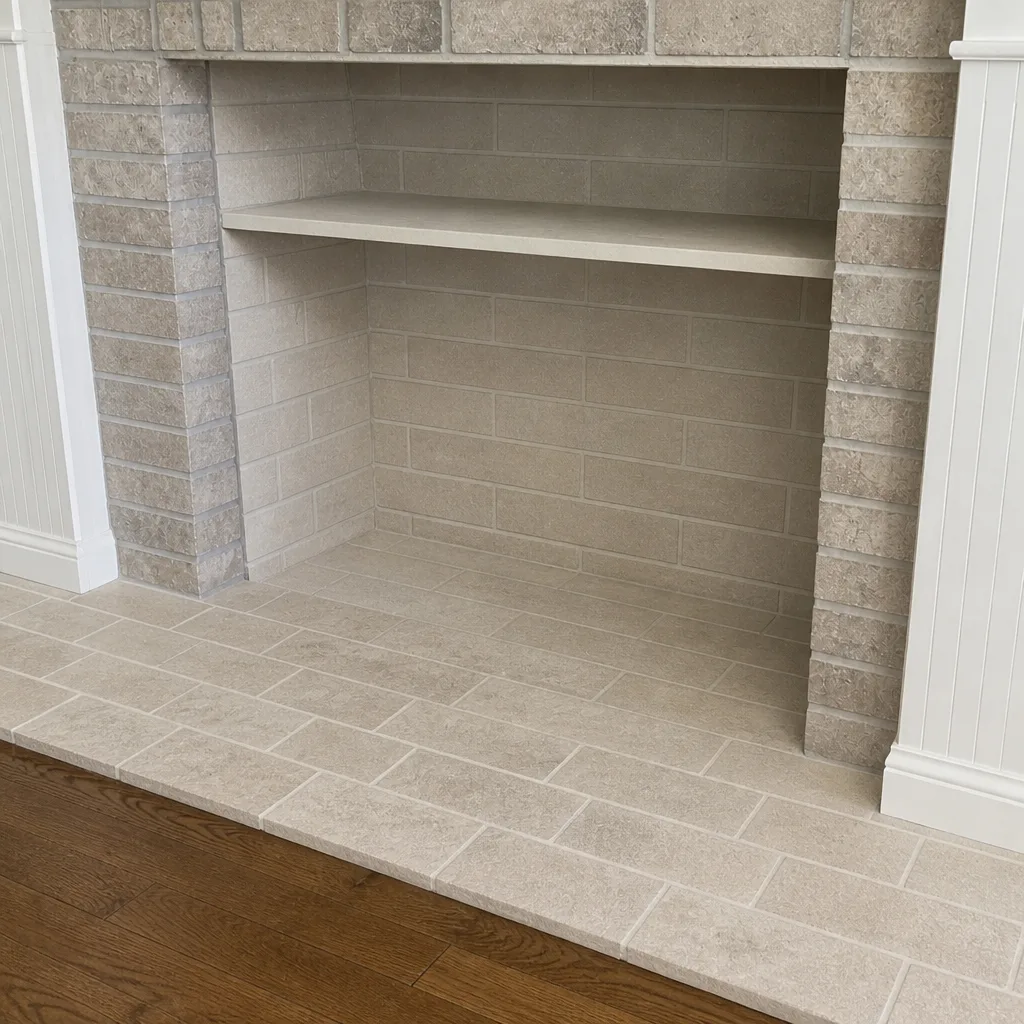
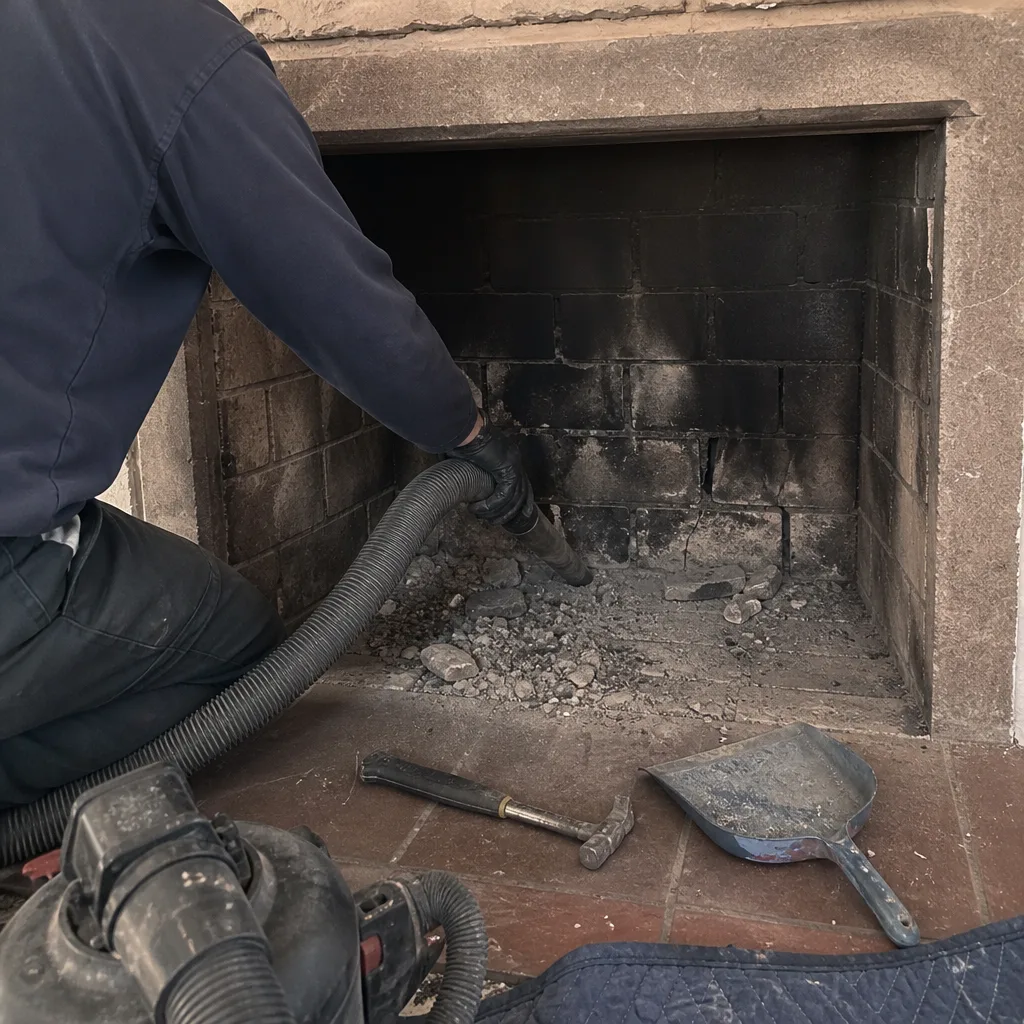
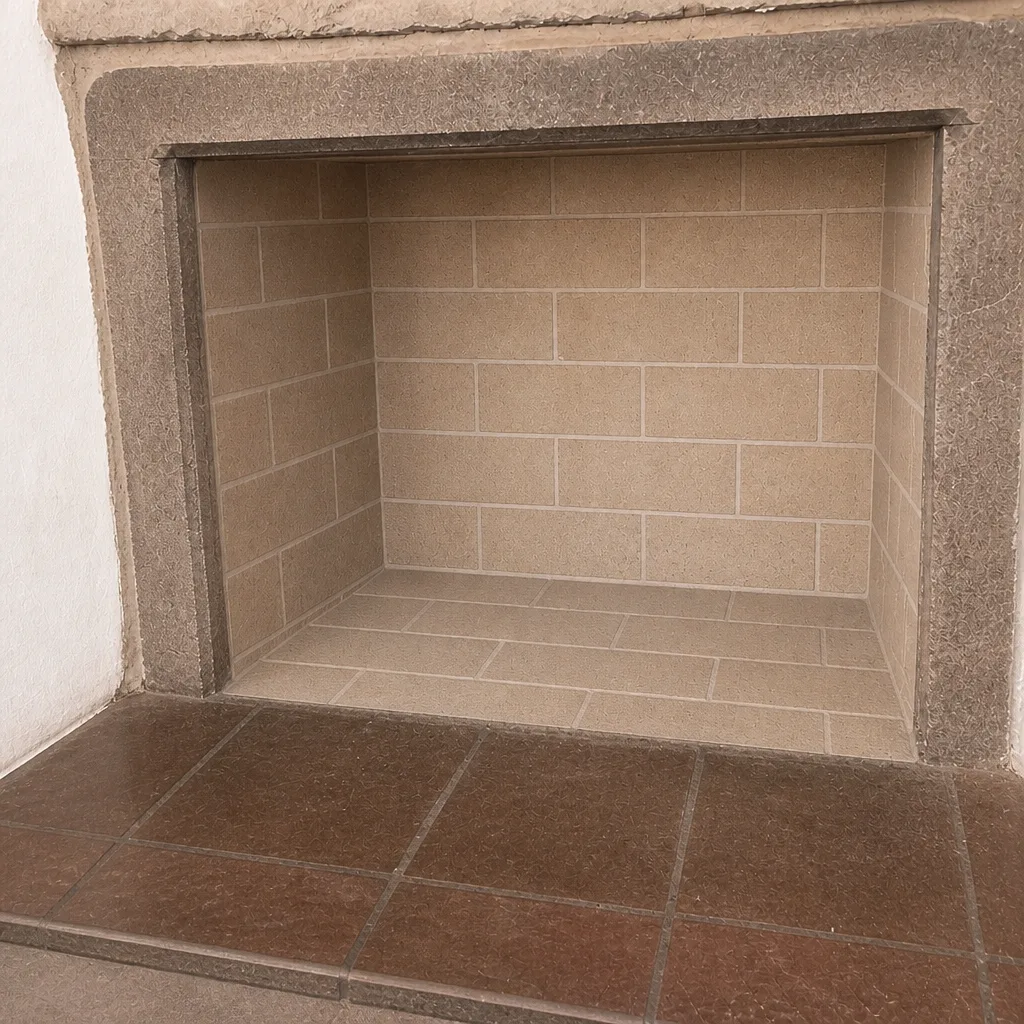
See the difference
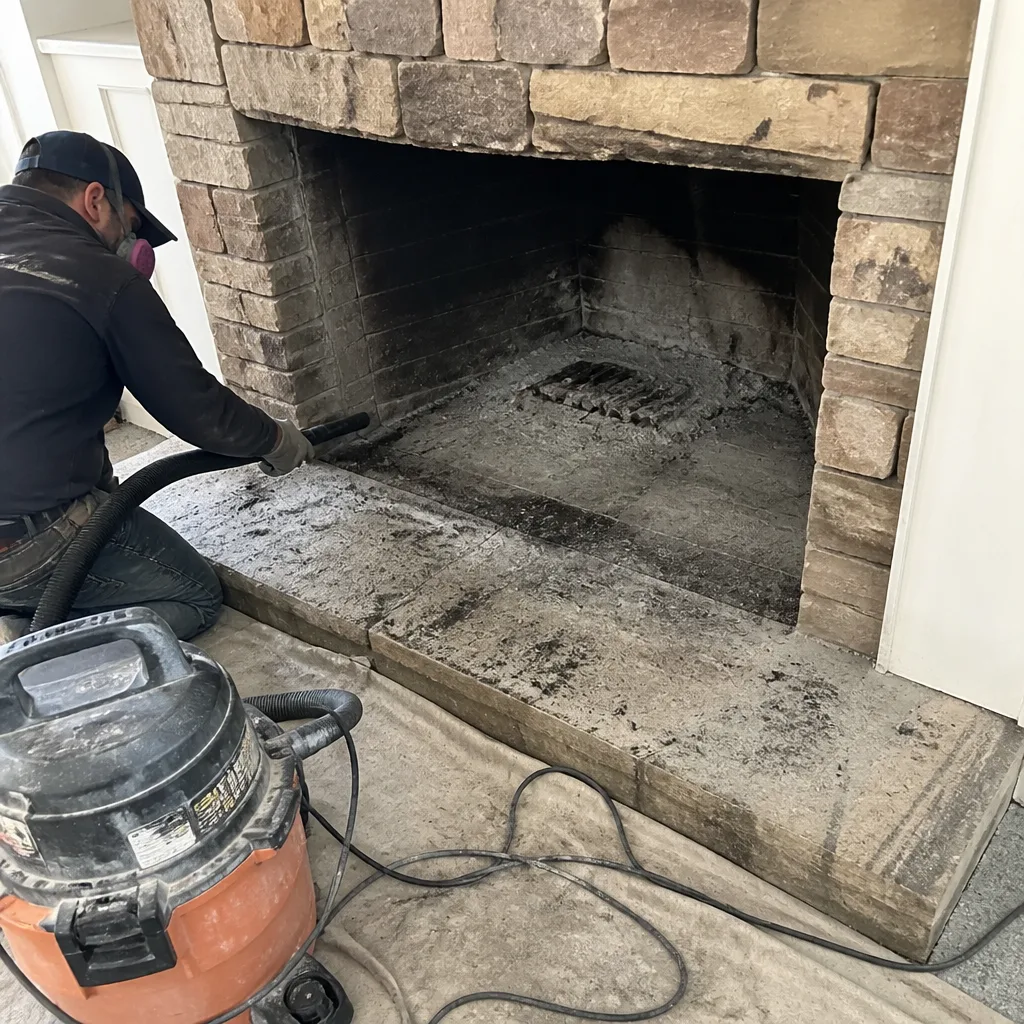 Before
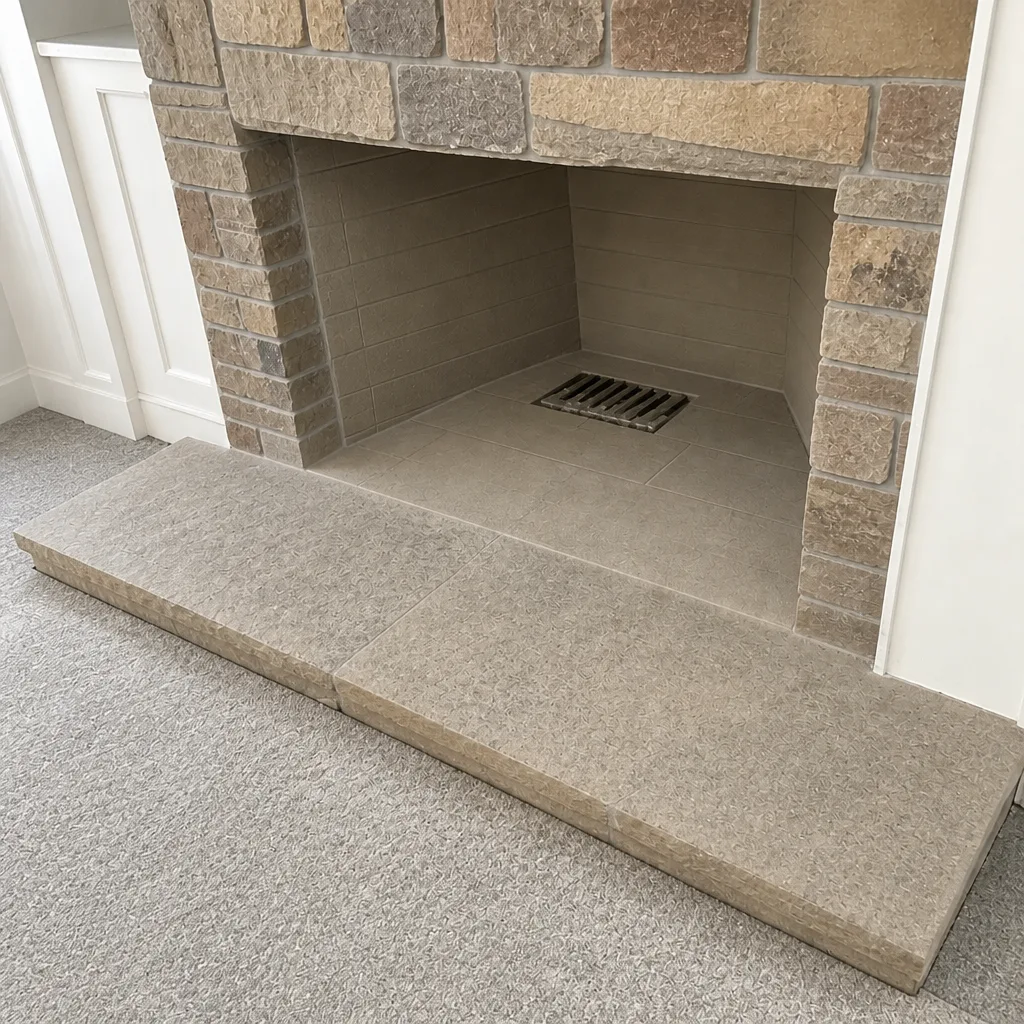 After
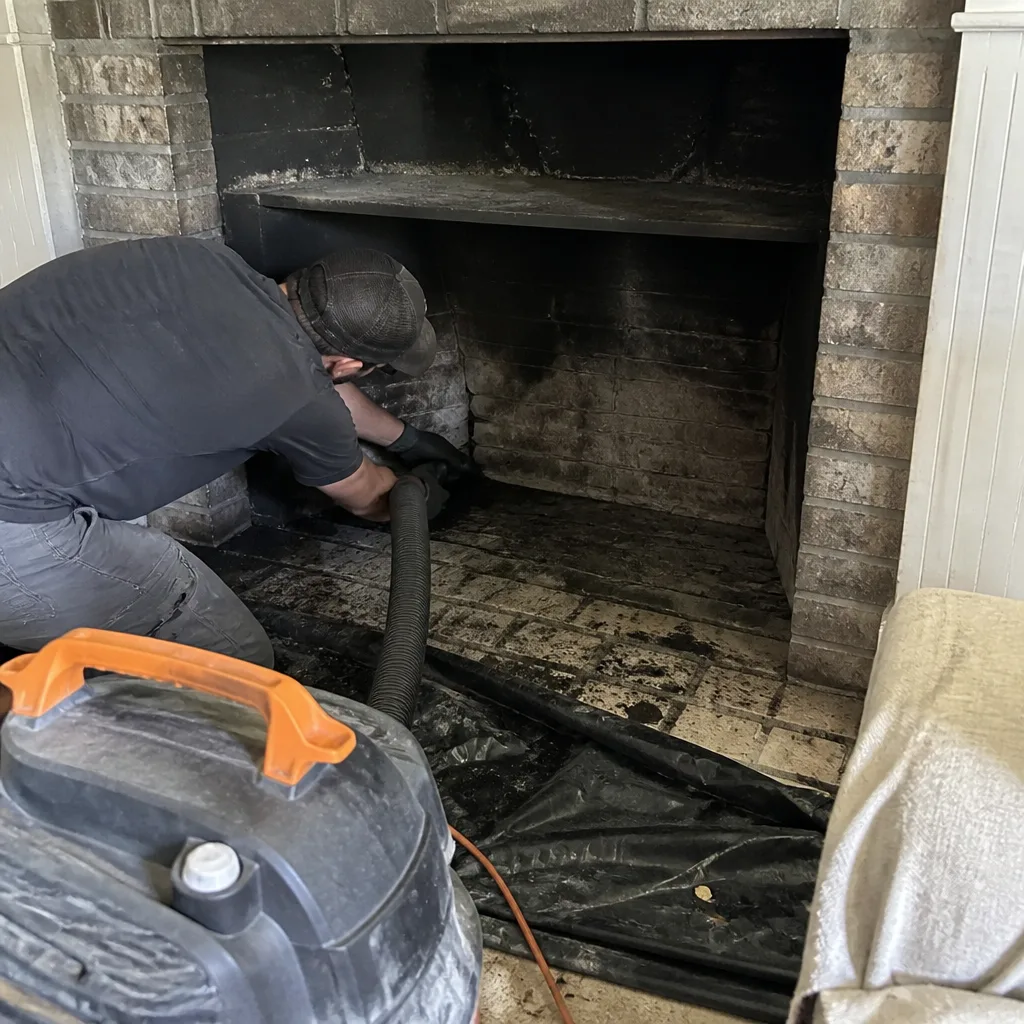 Before
 After
 Before
 After